+86 199 4927 3927




+86 199 4927 3927


+86 199 4927 3927
Activated Carbon for Chemical Industry
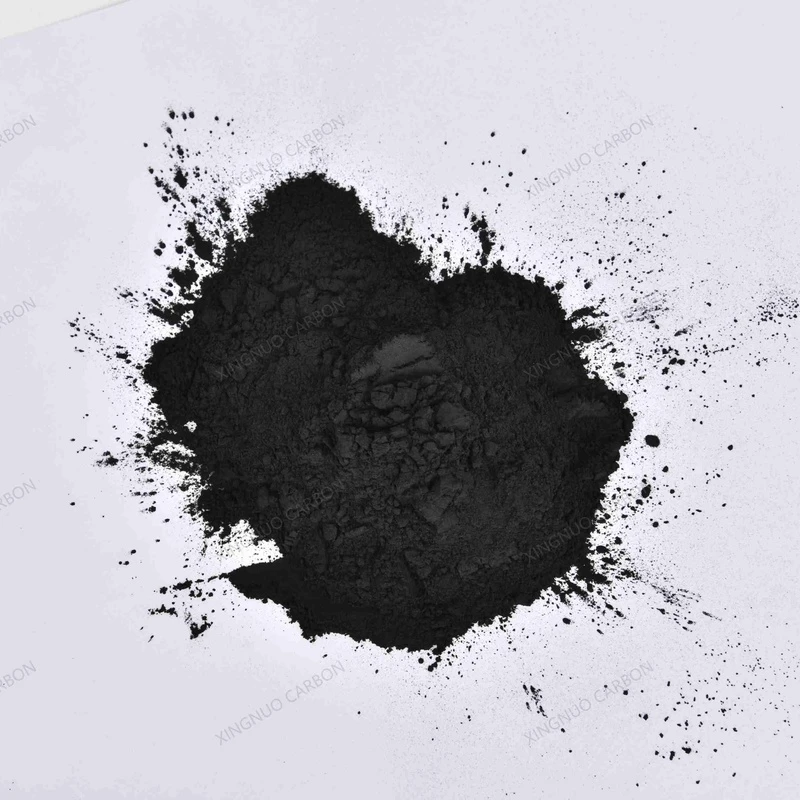
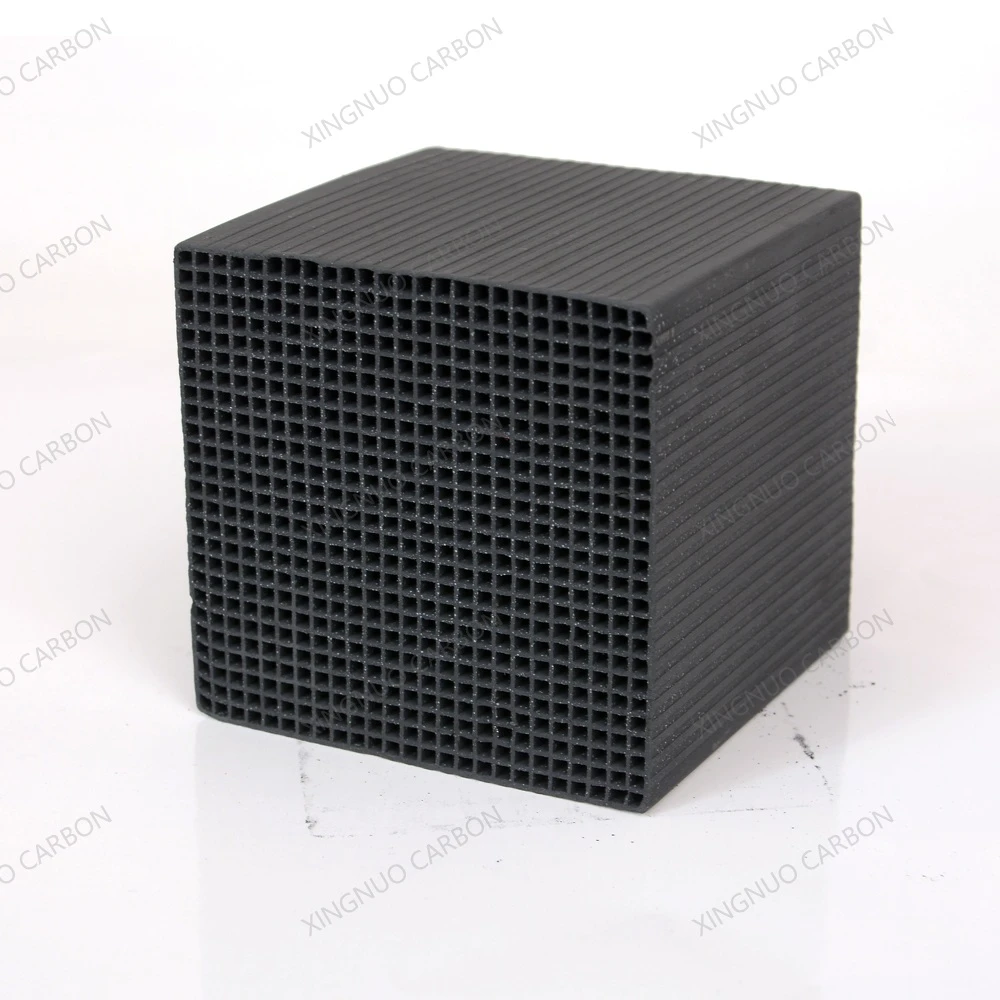
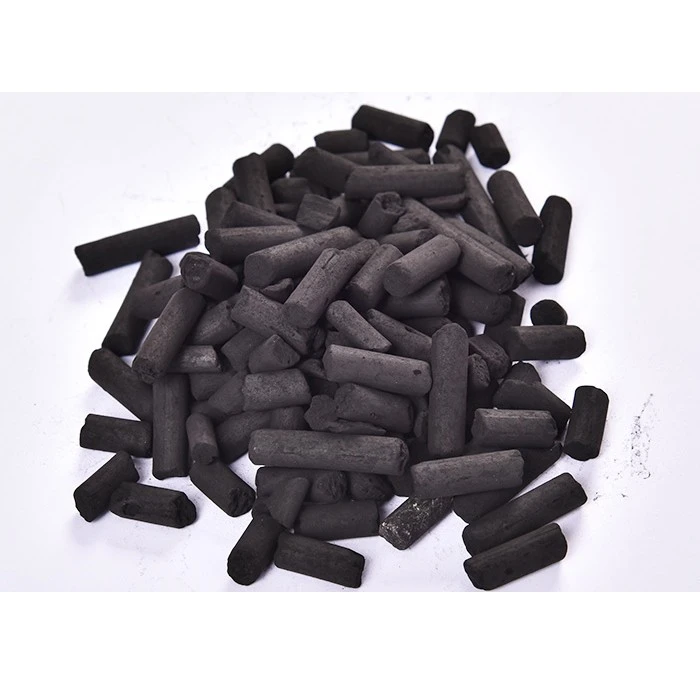
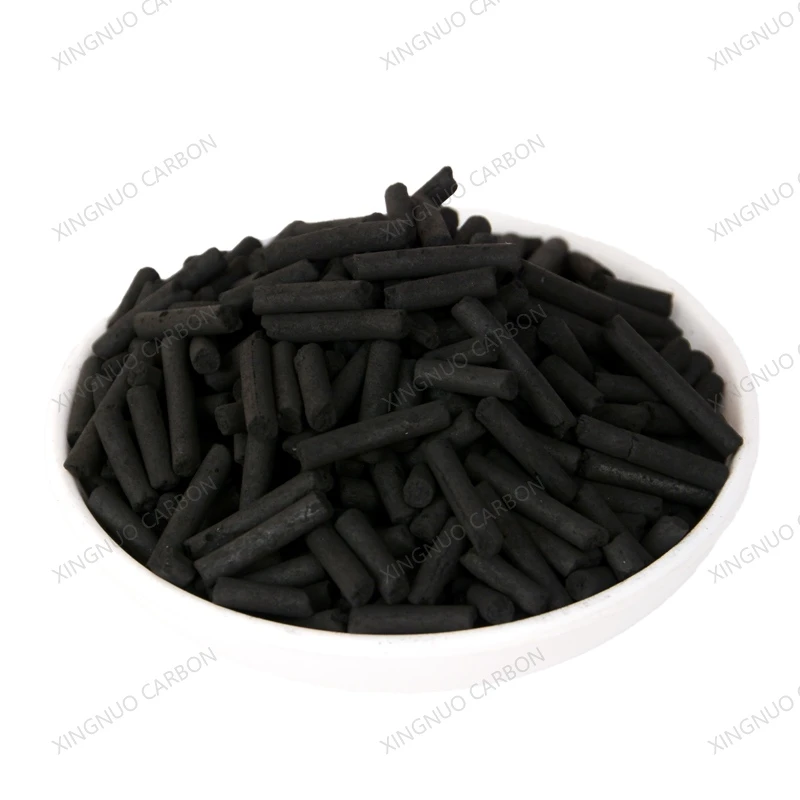
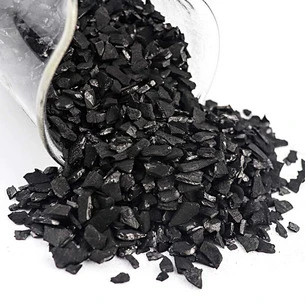
Activated carbon is widely used across the chemical industry to remove color bodies, trace organic impurities, odors, and hazardous pollutants from liquid streams, process gases, and chemical wastewater. Depending on whether the process uses fixed beds, batch tanks, or vapor-phase adsorption towers, granular, powdered, and pelletized grades can be selected to match molecular size and operating conditions.
(Note: Because chemical streams vary widely in pH, solvent media, temperature, and reactivity, grade selection should align with actual process chemistry and safety requirements.)
Chemical Industry Applications & Carbon Selection
|
Chemical Application |
Typical Target Contaminants / Goals |
Common Carbon Options |
|
Chemical Intermediates & Fine Chemicals |
Color bodies, trace organics, reaction byproducts |
Powdered / Granular Activated Carbon |
|
Solvents & Resins / Additives |
Impurities, color, odor, process stabilizers/by-products |
Granular / Powdered Activated Carbon |
|
Solvent Recovery & Vent Gas |
VOCs, organic vapors, process emissions |
Pelletized / Granular Activated Carbon |
|
Acid / Alkali & Specialty Streams |
Trace organics, color, low-ash or acid-washed requirements |
Acid-Washed / Low-Ash Grades |
|
Chemical Wastewater Treatment |
Residual COD, color, adsorbable organics |
Granular / Powdered Activated Carbon |
Custom mesh sizes, iodine values, ash levels, pH/acid-washed conditioning, and impregnated grades can be supplied according to process needs.
What to Consider for Chemical Process Adsorption?
| Process / Stream Information | Why It Matters |
| Target impurities & molecular size | Helps match pore size distribution (micropores vs. mesopores) |
| Solvent / liquid medium & pH | Affects adsorption behavior, wetting, and chemical compatibility |
| Influent concentration & color/COD load | Indicates expected carbon dosage or bed replacement frequency |
| Operating temperature & pressure | Influences adsorption equilibrium, kinetics, and safety margins |
| Flow rate & contact time (or EBCT) | Determines bed sizing, column height, or batch mixing time |
| Required outlet purity or discharge limit | Defines target grade specification and polishing stage |
Typical Chemical Use Case & Grade Recommendation
Need Activated Carbon for a Chemical Process?
Share your target impurities or solvents, operating temperature and pH, flow rate or batch volume, and required purity targets. Our team can recommend suitable grades and provide samples for testing.
FAQ
Do you offer custom specifications and samples for chemical testing?


Yes. Particle size, grade specification, and packaging can be tailored to customer requirements, and samples can be arranged for laboratory or pilot evaluation.
Is iodine value enough to select activated carbon for chemical industry use?
No. Iodine value mainly reflects micropore capacity in aqueous testing and does not capture mesoporosity for large color molecules, solvent effects, or operating temperature. Target contaminants and process conditions should guide selection.
Why do ash content and pH matter in chemical applications?
High ash or soluble mineral content can affect stream pH or introduce unwanted trace ions into sensitive chemical products or catalysts. Acid-washed or low-ash grades can be selected when tighter chemical purity is required.
Can activated carbon be used in organic solvents or non-aqueous chemical streams?
Yes, activated carbon is used in many organic and specialty chemical streams, though solvent polarity, viscosity, competing compounds, and temperature can affect adsorption efficiency. Lab testing with the actual stream is recommended.
Which form of activated carbon is best for chemical purification: PAC, GAC, or pelletized?
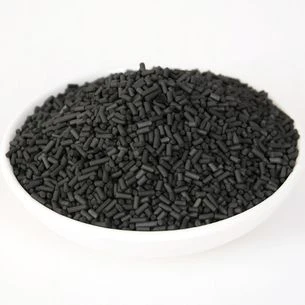
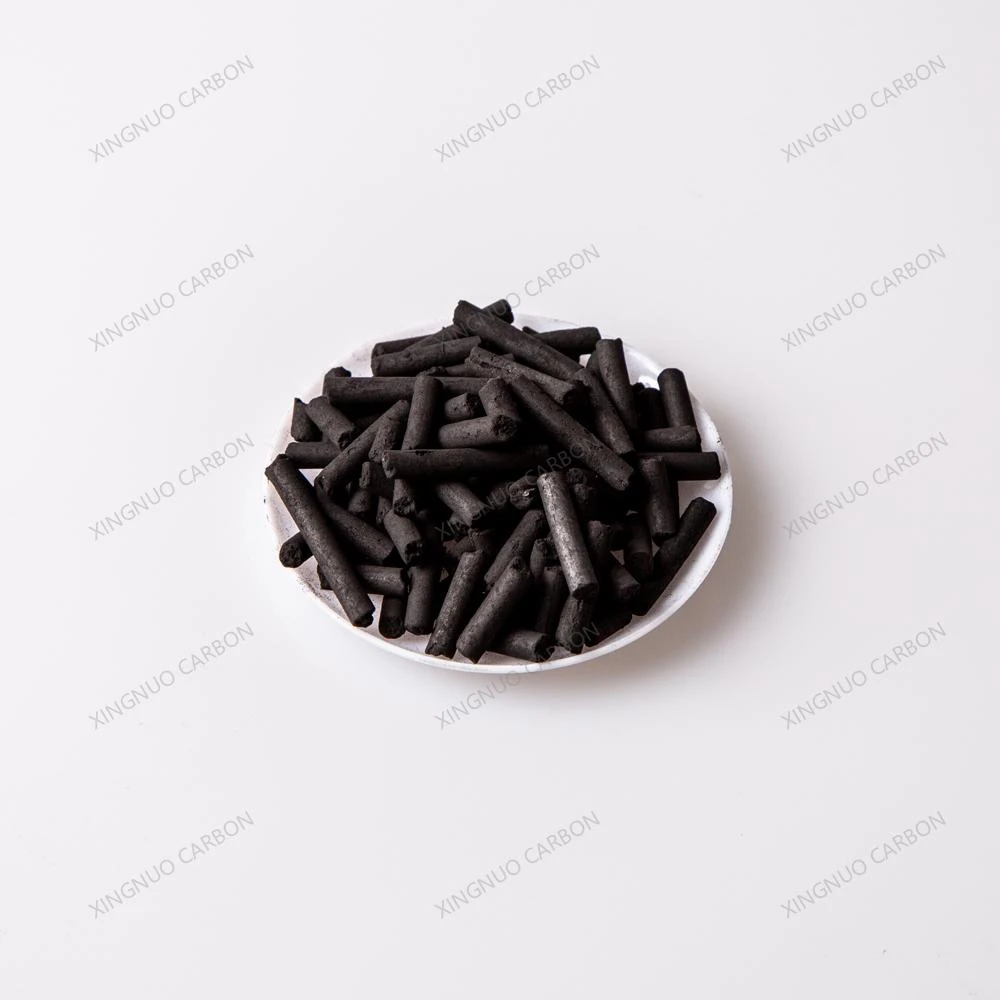
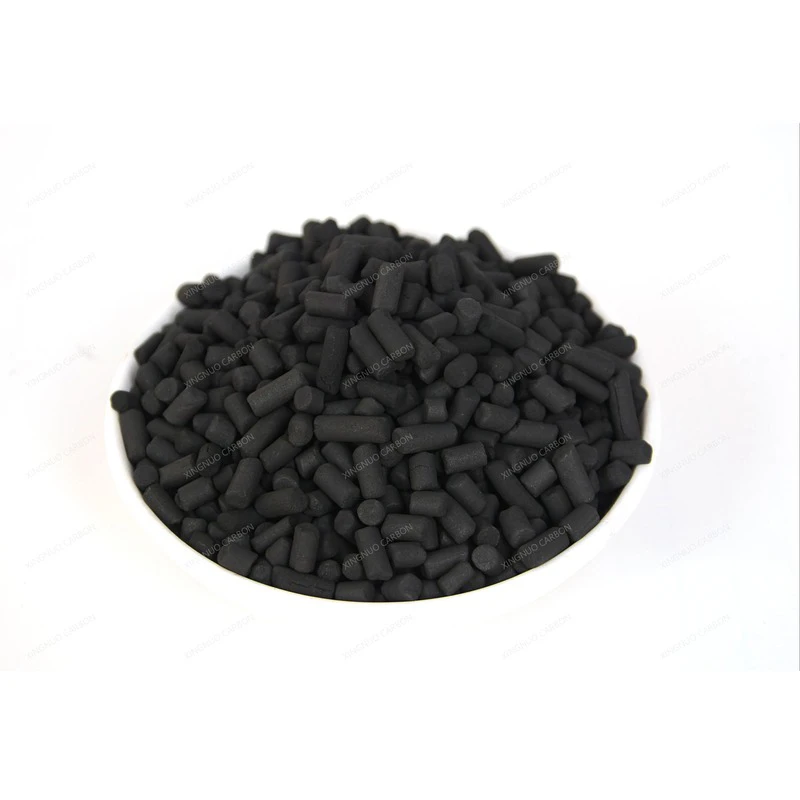
It depends on the process setup. Powdered activated carbon (PAC) suits batch treatment and rapid liquid decolorization, granular activated carbon (GAC) fits continuous fixed-bed liquid filtration, and pelletized activated carbon is commonly used in gas and vapor-phase systems where low pressure drop is important.
Write to Us!
Fill out the form and our team will be in touch. Below is also contact info for our offices and facilities.

Tel.:
+86 199 4927 3927

E-mail:

whatsApp:
Contact with Us
Related Products
Size: 100–325 mesh (customizable)
Used for: Wastewater treatment, decolorization, waste incineration
Size: 100×100×100 mm, 100*100*50mm,
Used for: VOC removal, exhaust gas purification, spray booths
Sizes: 1.5 mm, 2 mm, 3.0 mm, 4.0 mm, 6.0 mm
Used for: Gas purification, solvent recovery, biogas desulfurization
Size: 1.5 mm, 3.0 mm, 4.0 mm; 4×8, 8×30 mesh
Used for: H2S, acid gas, ammonia, and mercury removal
Coal-Based Tar Columnar Activated Carbon
Sizes: 1.5 mm, 2 mm, 3 mm, 4 mm, 6 mm, 8 mm, and customized sizes
Used for: Industrial waste gas treatment, solvent recovery, mercury removal, desulfurization and denitrification, gas purification
Size: 100–325 mesh (customizable)
Used for: Wastewater treatment, decolorization, waste incineration
Size: 4×8 – 12×40 mesh (GAC); 1.5 – 4.0 mm (Pellets); 200 – 325 mesh (PAC)
Used for: Industrial Gas Purification, VOC Adsorption, Wastewater Treatment, Solvent Recovery, Biogas Desulfurization, PSA Nitrogen Deoxygenation, Flue Gas Treatment
Coconut Shell Granular Activated Carbon
Size: 4-8, 6×12, 8×16, 8×30, 12×40, 30×60, 100, 200, 325 mesh (customized size available)
Used for: Drinking water and industrial water treatment, wastewater treatment, gold recovery (CIP/CIL/CIC), air purification, food and beverage decolorization, pharmaceutical purification.