+86 199 4927 3927




+86 199 4927 3927


+86 199 4927 3927
Activated Carbon for VOC Removal
1. What Problems Does It Solve?
Volatile organic compounds (VOCs) are released during painting, printing, coating, chemical manufacturing, and solvent handling. Common VOCs include toluene, xylene, benzene, ethyl acetate, acetone, formaldehyde, and styrene.
Uncontrolled VOC emissions can cause:
• Failure to meet local emission limits
• Unpleasant odors and poor workplace air quality
• Loss of valuable organic compounds
• Increased environmental compliance costs
Activated carbon removes VOCs by adsorbing them onto its porous surface. It is widely used in industrial exhaust treatment, particularly for low-to-medium VOC concentrations when the gas composition and operating conditions are suitable.
The right carbon grade depends on the compounds being treated, inlet concentration, airflow, temperature, humidity, and required outlet concentration.
2. Where Is Activated Carbon Used for VOC Removal?
|
Industry |
Typical VOCs |
Common Applications |
|
Painting and coating |
Toluene, xylene, MEK |
Exhaust gas treatment |
|
Printing |
Toluene, ethyl acetate, isopropanol |
VOC adsorption and, where required, solvent recovery |
|
Chemical manufacturing |
Mixed organic vapors |
Process exhaust treatment |
|
Pharmaceuticals |
Ethanol, acetone, mixed solvents |
Exhaust purification |
|
Furniture and adhesives |
Formaldehyde, solvent mixtures |
Odor and VOC control |
|
Petrochemical and tank storage |
Light hydrocarbons, BTEX |
Vapor treatment |
The treatment system should be selected according to the actual gas stream. Different compounds can behave differently on activated carbon, even when they come from the same industrial process.
3. Which Activated Carbon Should You Choose?
There is no single activated carbon grade that works best for every VOC stream.
|
Carbon Type |
Suitable Applications |
Main Considerations |
|
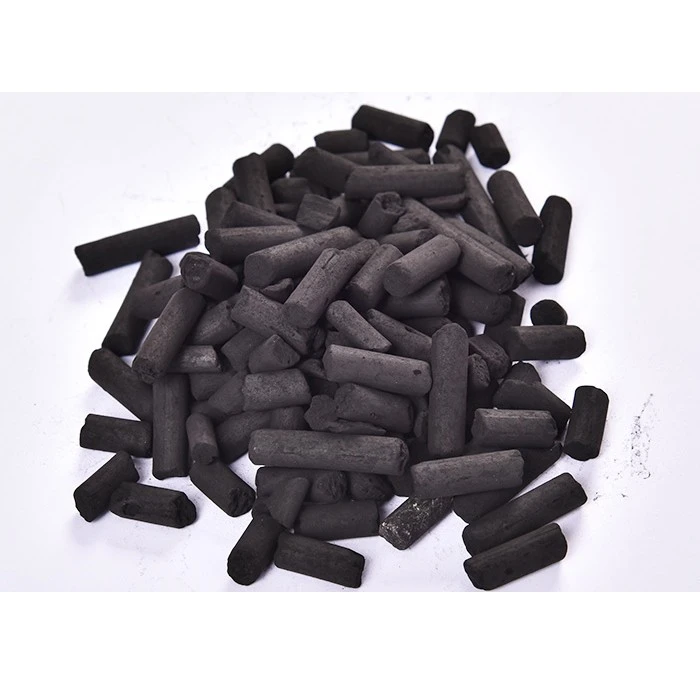
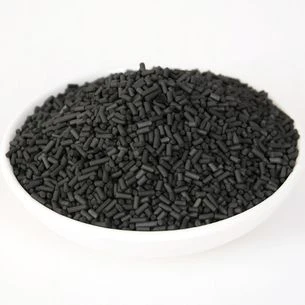
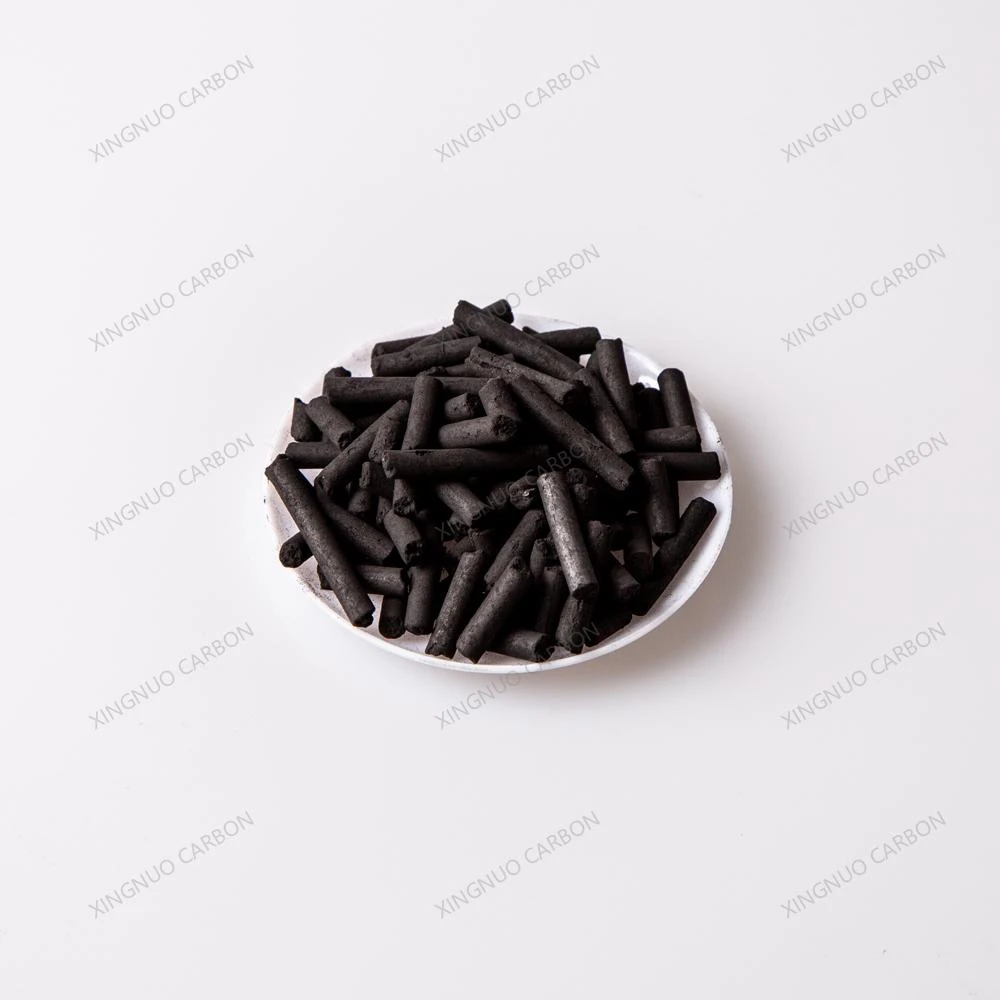
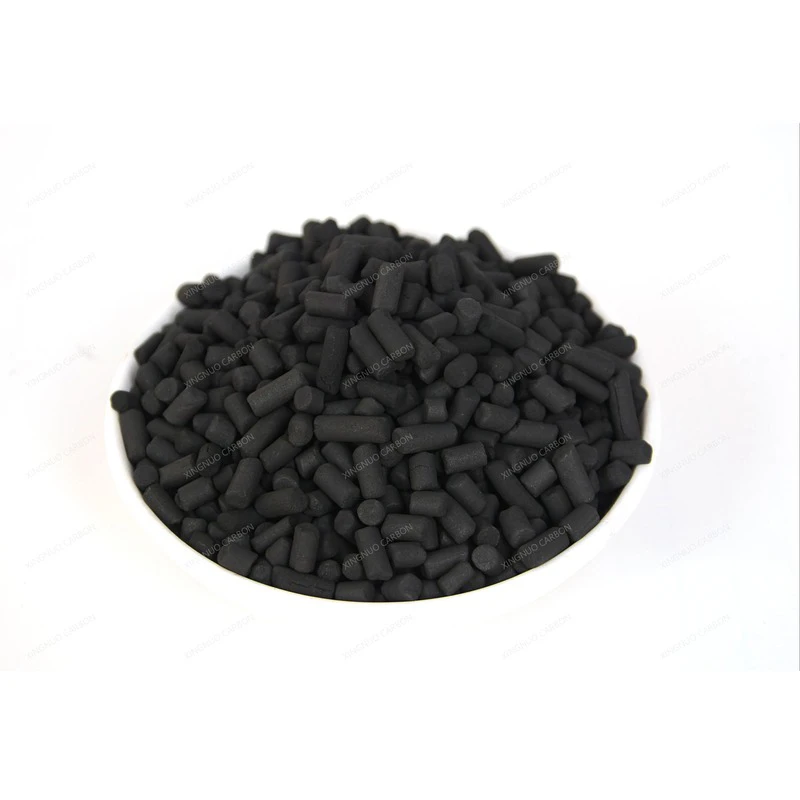
Coal-based pelletized carbon |
General industrial VOC exhaust and larger fixed-bed systems |
CTC activity, strength, particle size, and pressure drop |
|
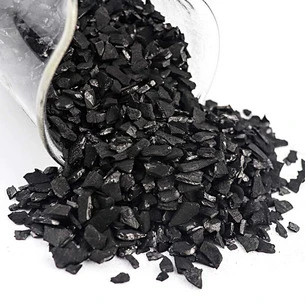
Coal-based granular carbon |
VOC adsorption in granular fixed beds |
Particle size, adsorption capacity, and bed design |
|
Coconut-shell activated carbon |
Selected small-molecule VOCs and polishing stages |
Pore structure, ash content, and target compounds |
|
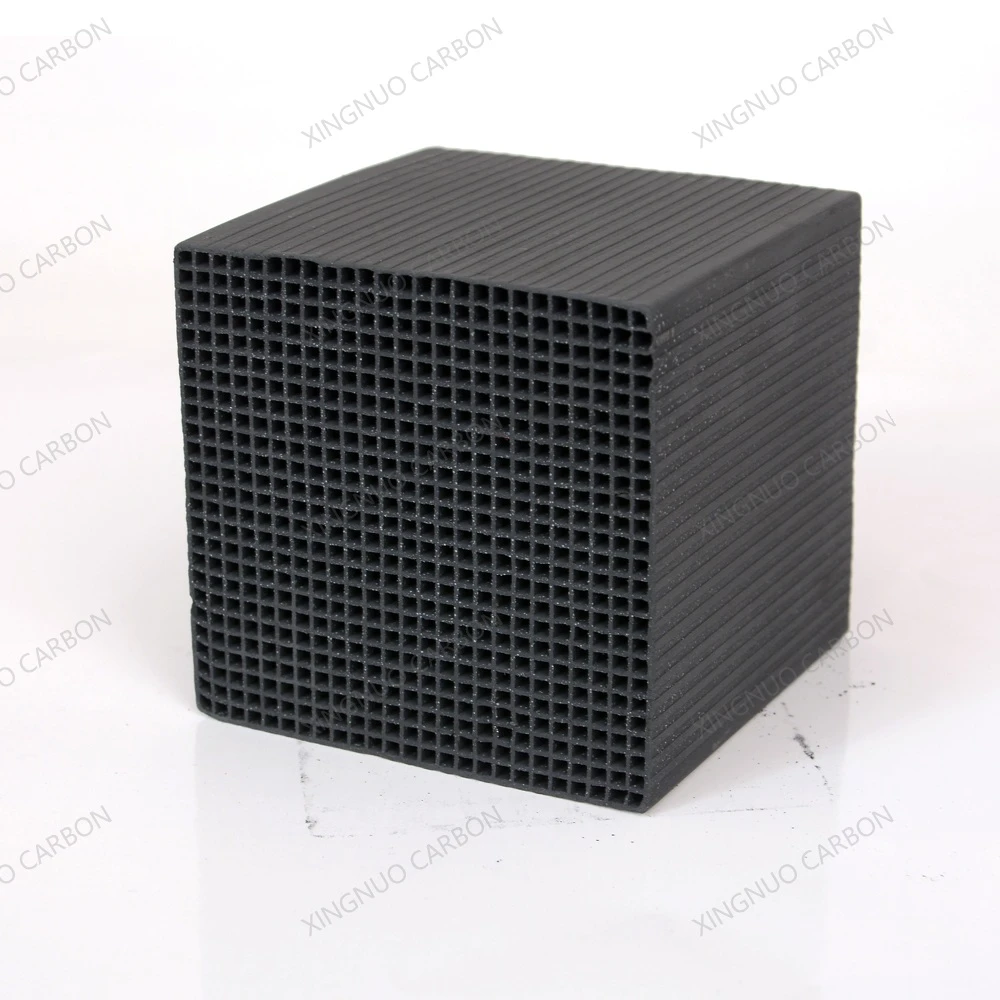
Honeycomb activated carbon |
Large airflow with limited pressure-drop allowance |
Channel structure, airflow distribution, and replacement requirements |
|
Impregnated activated carbon |
Selected reactive compounds or mixed gas streams |
Impregnant type and compatibility with the target contaminants |
Practical Selection Tips
Toluene and xylene: Coal-based granular or pelletized carbon may be suitable, depending on the system.
Large airflow: Pelletized or honeycomb carbon may help meet pressure-drop requirements.
Small-molecule VOCs or polishing: Coconut-shell carbon may be worth evaluating against the actual gas composition.
Reactive or difficult compounds: A specialized or impregnated grade may be required.
For gas-phase applications, CTC activity is a useful indicator when comparing suitable grades. It should not be used alone to predict actual VOC removal performance.
4. Why Use Activated Carbon for VOC Treatment?
Activated carbon offers several practical advantages:
Broad application range: Suitable grades are available for many industrial VOC streams.
Flexible system design: Can be used in fixed beds, canisters, or honeycomb configurations.
No need to destroy every captured compound: Some systems can recover suitable solvents, while others use carbon for emission control.
Straightforward operation: Properly designed systems can be monitored through outlet VOC concentration and pressure drop.
Flexible carbon management: Depending on the contaminant and operating conditions, carbon may be replaced or regenerated.
Performance is not determined by the carbon alone. High humidity, elevated temperature, oil mist, dust, and competing compounds can reduce adsorption capacity and shorten service life.
5. How Is Activated Carbon Used in a VOC Treatment System?
A typical system includes these steps:
Pre-treatment: Remove dust and oil mist. Cool or dehumidify the gas when required.
Adsorption: Pass the exhaust through a properly sized activated carbon bed.
Monitoring: Track outlet VOC concentration and pressure drop to identify changes in performance.
Carbon replacement or regeneration: Replace the carbon when its remaining capacity is insufficient, or regenerate it if the grade and system are designed for regeneration.
For continuous operation, lead-lag beds may be used to improve breakthrough control. Bed depth, airflow, contact time, and carbon loading should be determined from the actual process conditions rather than applying one design value to every project.
Important: High VOC concentrations, hot exhaust, high humidity, or reactive compounds may require additional treatment or a different process configuration. Activated carbon is not automatically the best standalone solution for every exhaust stream.
6. Case Study: VOC Treatment in PCB Manufacturing
A PCB manufacturing plant needed to reduce mixed VOC emissions from its exhaust.
Treatment approach: A two-stage adsorption system was used. A bituminous coal-based granular carbon bed handled bulk removal, followed by a coconut-shell carbon polishing stage.
Reported result: The inlet VOC concentration was approximately 120 ppm, and the outlet concentration was reduced to below 8 ppm.
This case illustrates how two carbon types can serve different roles in the same system. Actual results depend on the VOC composition, airflow, bed design, and operating conditions.
FAQ
What is the best activated carbon for VOC removal?


There is no universal best grade. Coal-based pelletized or granular carbon is often considered for general industrial exhaust, while coconut-shell, honeycomb, or impregnated grades may suit specific conditions.
Can activated carbon remove toluene and xylene?
Yes. Activated carbon can adsorb toluene and xylene. Grade selection and system sizing depend on their concentrations, airflow, temperature, humidity, and required outlet levels.
How long does activated carbon last in a VOC system?
Service life depends on VOC loading, operating conditions, competing contaminants, and bed design. Monitor outlet concentration and pressure drop rather than relying on a fixed replacement interval.
Can activated carbon be regenerated?
Some grades and systems are designed for regeneration, while others use replaceable carbon. Suitability depends on the compounds adsorbed, safety requirements, and the treatment system.
Is activated carbon suitable for high VOC concentrations?
Not always as a standalone treatment. High concentrations may require condensation, oxidation, or a combined process. The choice depends on the gas composition, concentration, recovery potential, and emission target.
Secondary Keywords
Write to Us!
Fill out the form and our team will be in touch. Below is also contact info for our offices and facilities.

Tel.:
+86 199 4927 3927

E-mail:

whatsApp:
Contact with Us
Related Products
Size: 100–325 mesh (customizable)
Used for: Wastewater treatment, decolorization, waste incineration
Size: 100×100×100 mm, 100*100*50mm,
Used for: VOC removal, exhaust gas purification, spray booths
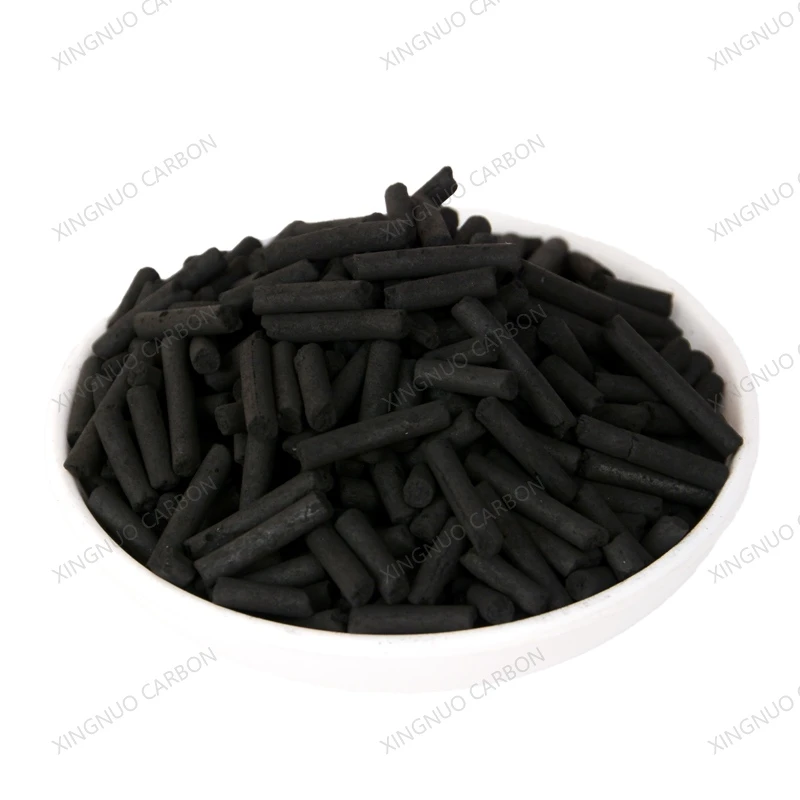
Sizes: 1.5 mm, 2 mm, 3.0 mm, 4.0 mm, 6.0 mm
Used for: Gas purification, solvent recovery, biogas desulfurization
Size: 1.5 mm, 3.0 mm, 4.0 mm; 4×8, 8×30 mesh
Used for: H2S, acid gas, ammonia, and mercury removal
Coal-Based Tar Columnar Activated Carbon
Sizes: 1.5 mm, 2 mm, 3 mm, 4 mm, 6 mm, 8 mm, and customized sizes
Used for: Industrial waste gas treatment, solvent recovery, mercury removal, desulfurization and denitrification, gas purification
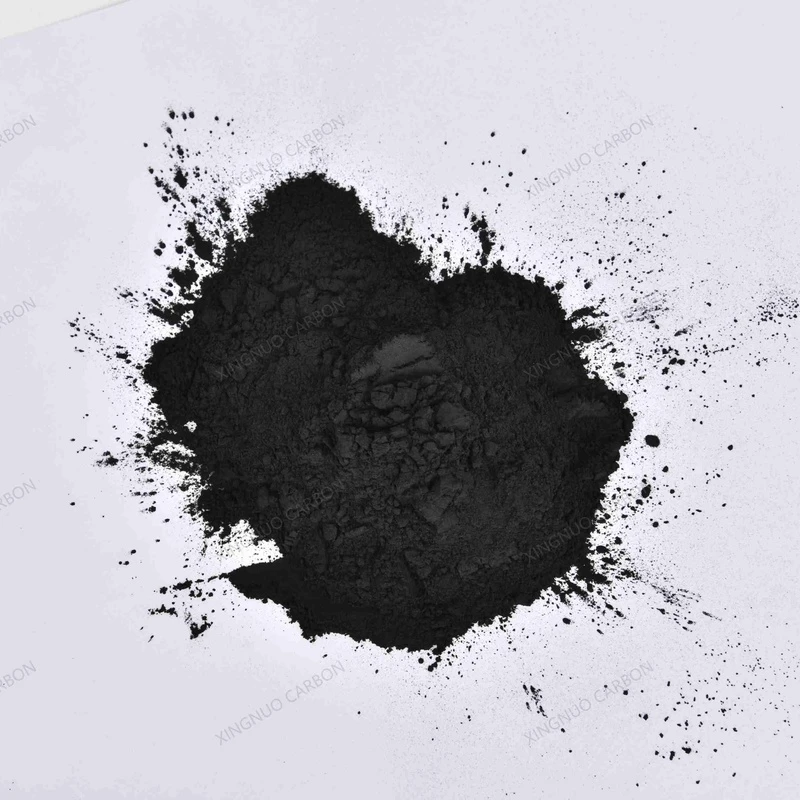
Size: 100–325 mesh (customizable)
Used for: Wastewater treatment, decolorization, waste incineration
Size: 4×8 – 12×40 mesh (GAC); 1.5 – 4.0 mm (Pellets); 200 – 325 mesh (PAC)
Used for: Industrial Gas Purification, VOC Adsorption, Wastewater Treatment, Solvent Recovery, Biogas Desulfurization, PSA Nitrogen Deoxygenation, Flue Gas Treatment
Coconut Shell Granular Activated Carbon
Size: 4-8, 6×12, 8×16, 8×30, 12×40, 30×60, 100, 200, 325 mesh (customized size available)
Used for: Drinking water and industrial water treatment, wastewater treatment, gold recovery (CIP/CIL/CIC), air purification, food and beverage decolorization, pharmaceutical purification.