+86 199 4927 3927




+86 199 4927 3927


+86 199 4927 3927
Coconut Shell Activated Carbon for Gold Recovery
Specially engineered for gold mining and hydrometallurgical circuits, our high-hardness coconut shell activated carbon delivers rapid gold cyanide adsorption kinetics, minimal attrition loss, and high loading capacity across CIP, CIL, CIC, and heap leach operations.
Product Snapshot
| Item | Details |
| Product Name | Coconut Shell Activated Carbon for Gold Recovery |
| Raw Material | Premium Coconut Shell |
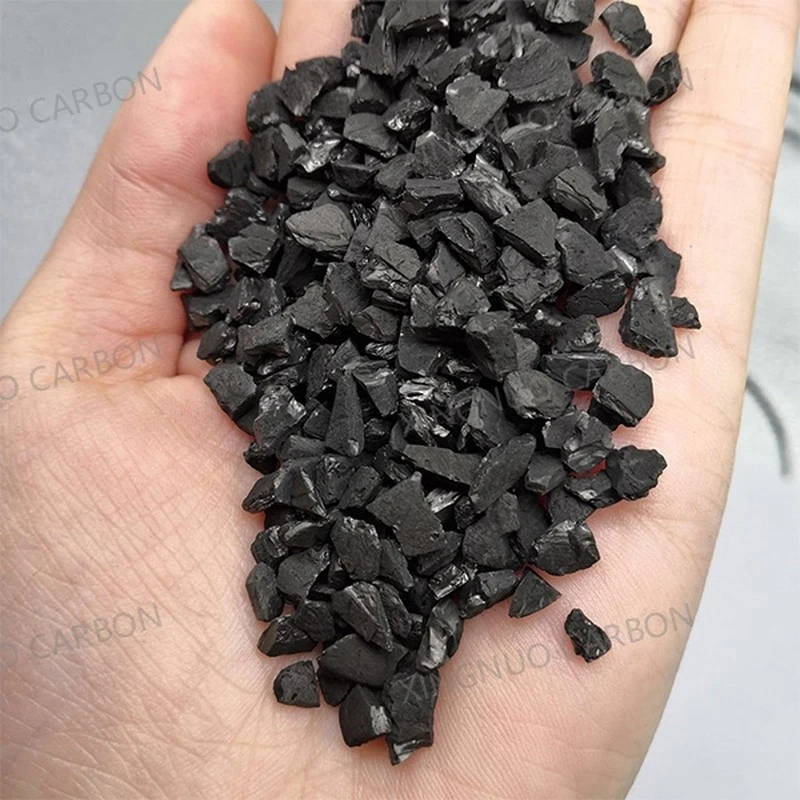
| Product Form | Granular Activated Carbon (GAC) |
| Particle Size | 6×12 mesh, 8×16 mesh |
| Iodine Value | 950-1100 mg/g |
| Hardness | ≥95% |
| Apparent Density | 0.45-0.55 g/ml |
| Ash Content | ≤3% |
| Moisture | ≤5% |
| Main Applications | CIP, CIL and CIC gold recovery circuits; heap leach PLS adsorption |
High-Attrition-Resistant Gold Recovery Activated Carbon
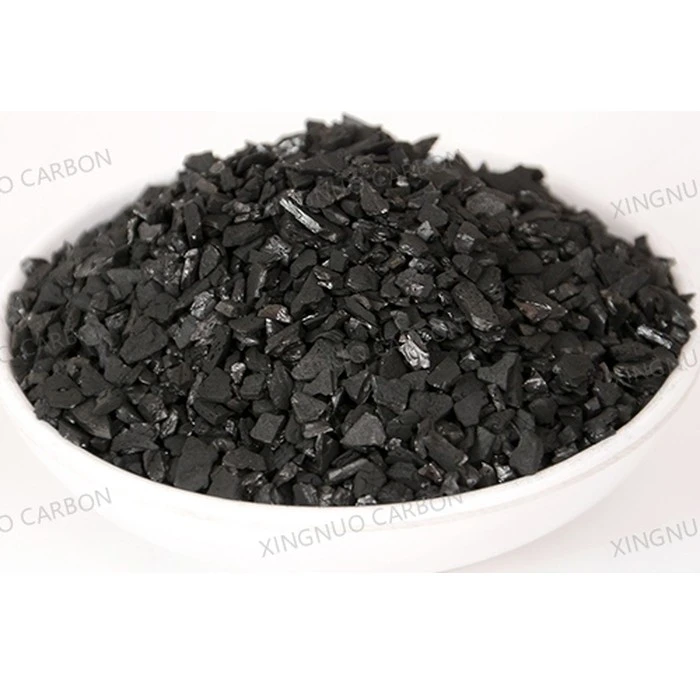
Our coconut shell activated carbon for gold recovery is manufactured from selected high-density coconut shells via high-temperature steam activation and specialized mechanical attrition conditioning. This process develops a microporous network tailored for the rapid adsorption of gold cyanide complexes (Au(CN)2-) while removing weak, platelet-shaped particles prior to packaging.
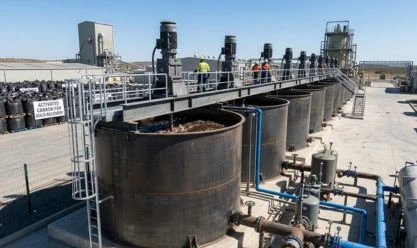
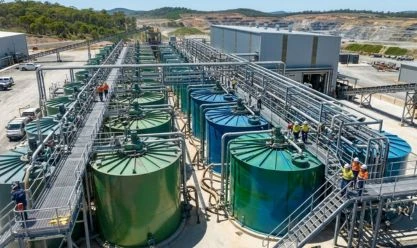
In agitated Carbon-in-Pulp (CIP) and Carbon-in-Leach (CIL) circuits, intense slurry abrasion directly determines gold recovery efficiency and carbon consumption. With superior mechanical hardness (≥98%), low ash content (≤3%), and strictly controlled fines, our gold recovery carbon resists breakage during continuous agitation, acid washing, elution, and thermal reactivation. For Carbon-in-Column (CIC) and heap leach pregnant leach solutions (PLS), tight particle size uniformity ensures stable bed flow and maximum gold loading capacity.
Key Features & Performance Advantages in Gold Extraction
Superior Hardness (≥98%) & Low Attrition Loss
Pre-attrited, platelet-free granules withstand continuous high-shear slurry agitation in CIP and CIL tanks, minimizing fines generation and preventing costly gold loss to tailings.
Optimized Microporosity for Gold Cyanide Complexes
High micropore volume delivers fast adsorption kinetics (high R-value) and high gold loading capacity (K-value), ensuring efficient gold capture even from low-grade leach solutions.
Ultra-Low Ash (≤3%) & Minimal Fines Content
Inherently low mineral ash and thorough dedusting limit carbon carryover and keep downstream acid washing, elution, and electrowinning circuits clean.
High Stability Across Multiple Regeneration Cycles
Structural integrity holds up through repeated desorption (elution) and kiln reactivation cycles, keeping carbon makeup consumption per tonne of ore predictable and economical.
Applicable Gold Recovery Circuits & Mining Processes
CIP (Carbon-in-Pulp) Circuits
Engineered for post-leach agitated pulp tanks where maximum abrasion resistance and screen retention are critical to prevent loaded carbon breakdown.
CIL (Carbon-in-Leach) Circuits
Delivers rapid adsorption kinetics for simultaneous leaching and gold adsorption in high-density ore slurries.
CIC (Carbon-in-Column) Systems
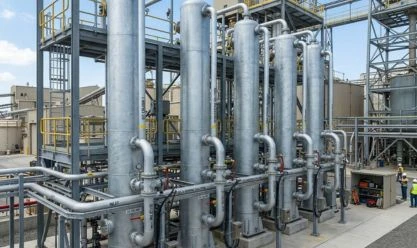
Tightly screened granules ensure uniform hydraulic flow, low pressure drop, and high gold loading in clear-solution adsorption columns.
Heap Leach Operations
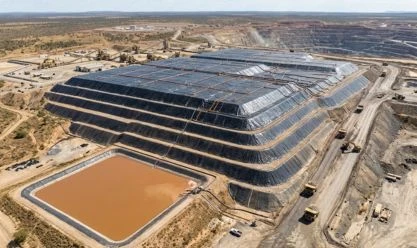
Efficiently recovers gold from pregnant leach solutions (PLS) in large-scale heap leach pads with long operational service life.
Product Specification Sheet
The values below are typical for our standard gold recovery grade. Every batch is tested and shipped with a Certificate of Analysis (COA).
| Parameter | Typical Value | Note |
| Material | Coconut shell | Premium coconut shell charcoal |
| Particle size | 6×12 mesh / 8×16 mesh | Selected by tank or column design |
| Iodine value | 950-1100 mg/g | Indicator of microporosity for gold cyanide adsorption |
| Hardness | ≥95% | Resists attrition in agitated tanks |
| Apparent density | 0.45-0.55 g/ml | Affects bed weight and carbon inventory |
| Ash content | ≤3% | Low ash limits contamination of loaded carbon |
| Moisture | ≤5% | As packed |
How to Choose the Right Activated Carbon for Your Gold Plant
Match the mesh size and carbon grade to your leaching circuit and carbon handling equipment:
| Requirement | General-Purpose Carbon | Gold Recovery Grade |
| Gold loading capacity | Baseline | Higher loading capacity for gold cyanide complexes |
| Attrition loss | Baseline | Lower attrition loss under continuous agitation |
| Operational life | Baseline | Longer service life in the adsorption tanks |
| Pore structure | General purpose | Optimized microporous structure for gold cyanide adsorption |
| Ash and fines | Varies by grade | Low ash and low fines to limit carbon carryover |
Not sure which grade is suitable for your application? Send us your water or gas treatment conditions and target specifications for a recommendation.
Why Choose Sinoucarbon
Strict Raw Material Selection
Premium coconut shell charcoal is selected before activation, because the precursor determines hardness and pore structure.
Controlled Activation Process
Activation is controlled to develop the microporous structure needed for gold cyanide adsorption without over-activating the particle.
Stable Batch-to-Batch Performance
Hardness, iodine value and ash are tested per batch so successive deliveries behave the same in the circuit.
Export Experience to Mining Regions
Bulk shipments to mining regions worldwide, with export documentation and loading supervision.
Technical Support for Carbon Selection
Guidance on mesh size, loading and carbon management for CIP, CIL and CIC circuits.
Packaging & Delivery
Packaging Options
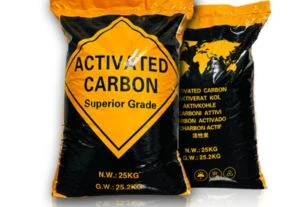
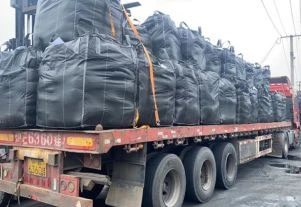
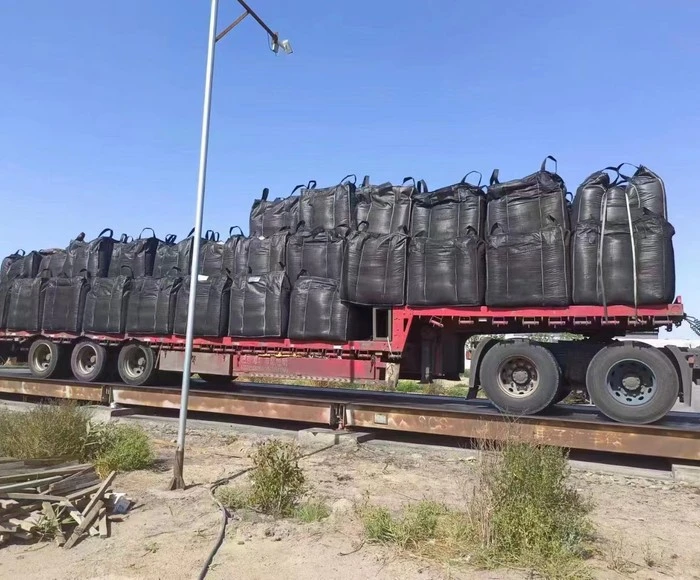
25 kg woven bags, 500 kg jumbo bags, palletized packaging, and customized packaging upon request.
Shipping
bulk export to mining regions worldwide, sea freight and container shipment, with flexible logistics support.
Documentation
every order includes a Certificate of Analysis (COA); third-party inspection can be arranged on request.
FAQ
Is this carbon specifically for gold recovery?


Yes. The pore structure and hardness are optimized for CIP, CIL and CIC gold adsorption.
What size is recommended?
6×12 mesh and 8×16 mesh are commonly used in gold recovery systems. The choice depends on whether the carbon runs in agitated tanks or in columns.
Can you supply large volumes?
Yes. We support continuous bulk supply for mining projects, with a Certificate of Analysis (COA) for every batch.
Write to Us!
Fill out the form and our team will be in touch. Below is also contact info for our offices and facilities.

Tel.:
+86 199 4927 3927

E-mail:

whatsApp:
Contact with Us