+86 199 4927 3927




+86 199 4927 3927


+86 199 4927 3927
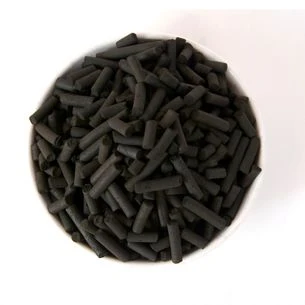
Pelletized Activated Carbon
Product Snapshot
|
Item |
Details |
|
Product Name |
Pelletized Activated Carbon |
|
Product Form |
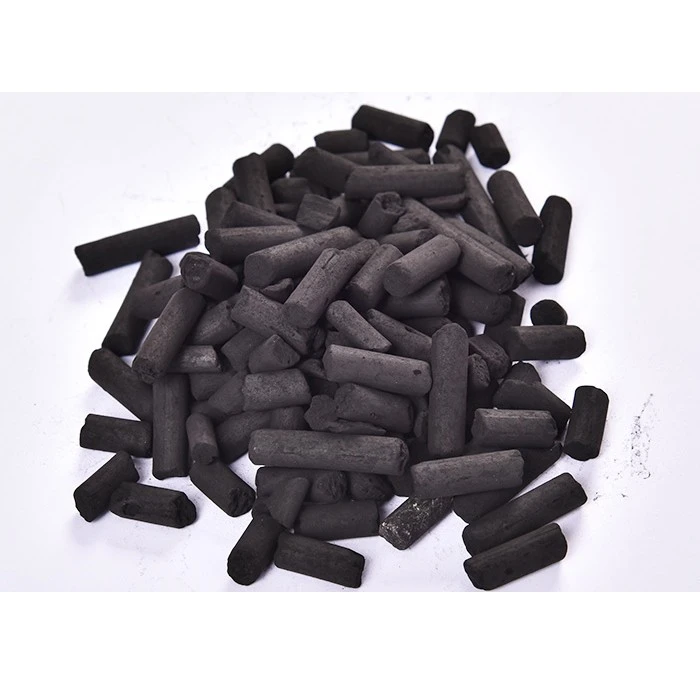
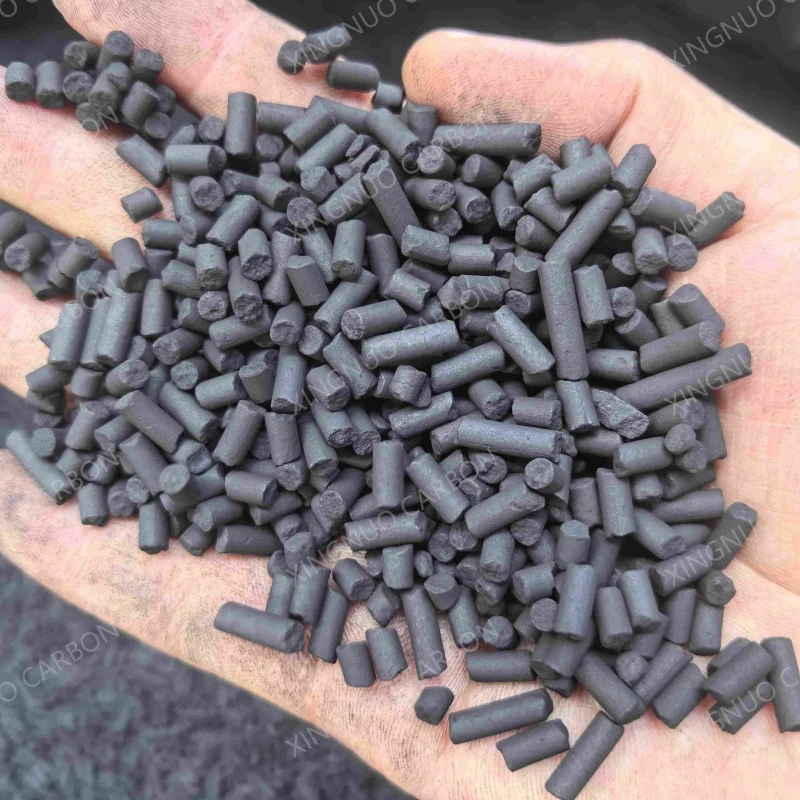
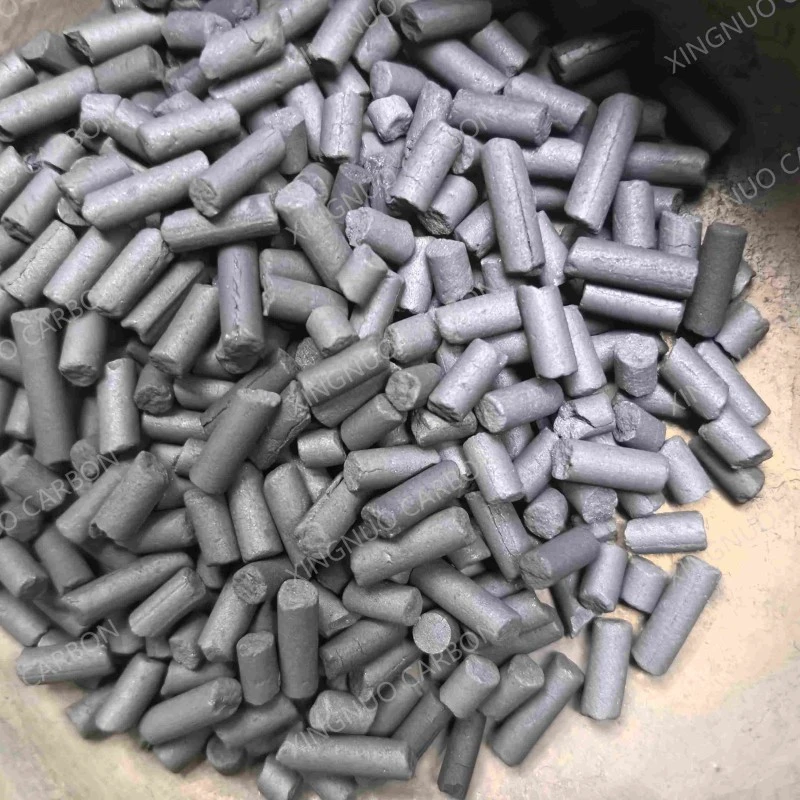
Cylindrical Pellets |
|
Raw Material |
Coal-based; other grades subject to availability |
|
Available Diameter |
4 mm and other available sizes, subject to confirmation |
|
Applications |
VOC removal, industrial gas purification, solvent vapor adsorption and odor control |
|
Key Specifications |
CTC activity, iodine value, hardness, ash, moisture and bulk density |
|
System Type |
Fixed-bed adsorption and packed-bed systems |
|
Packaging |
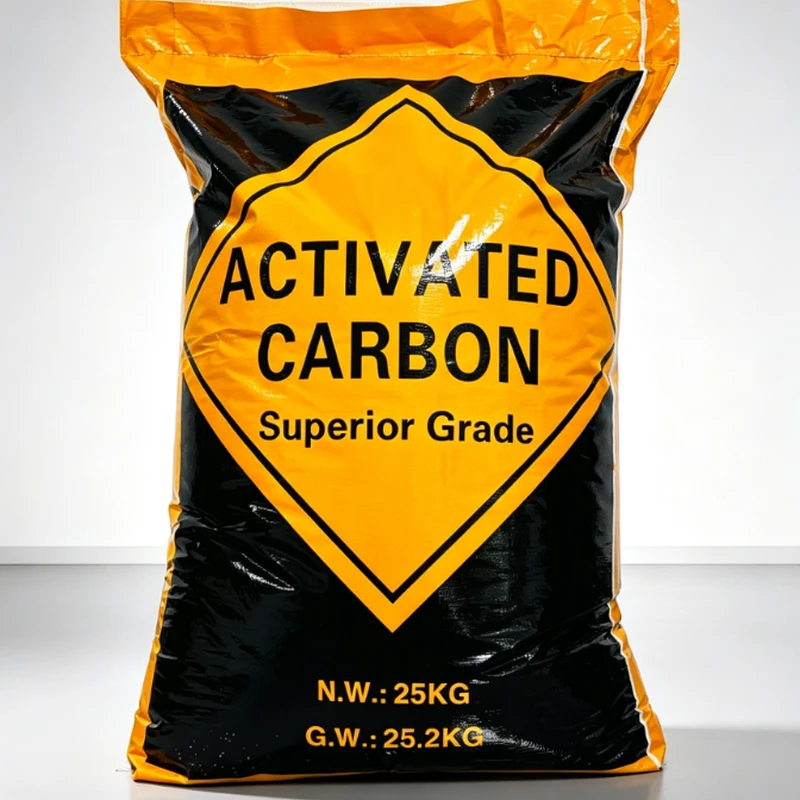
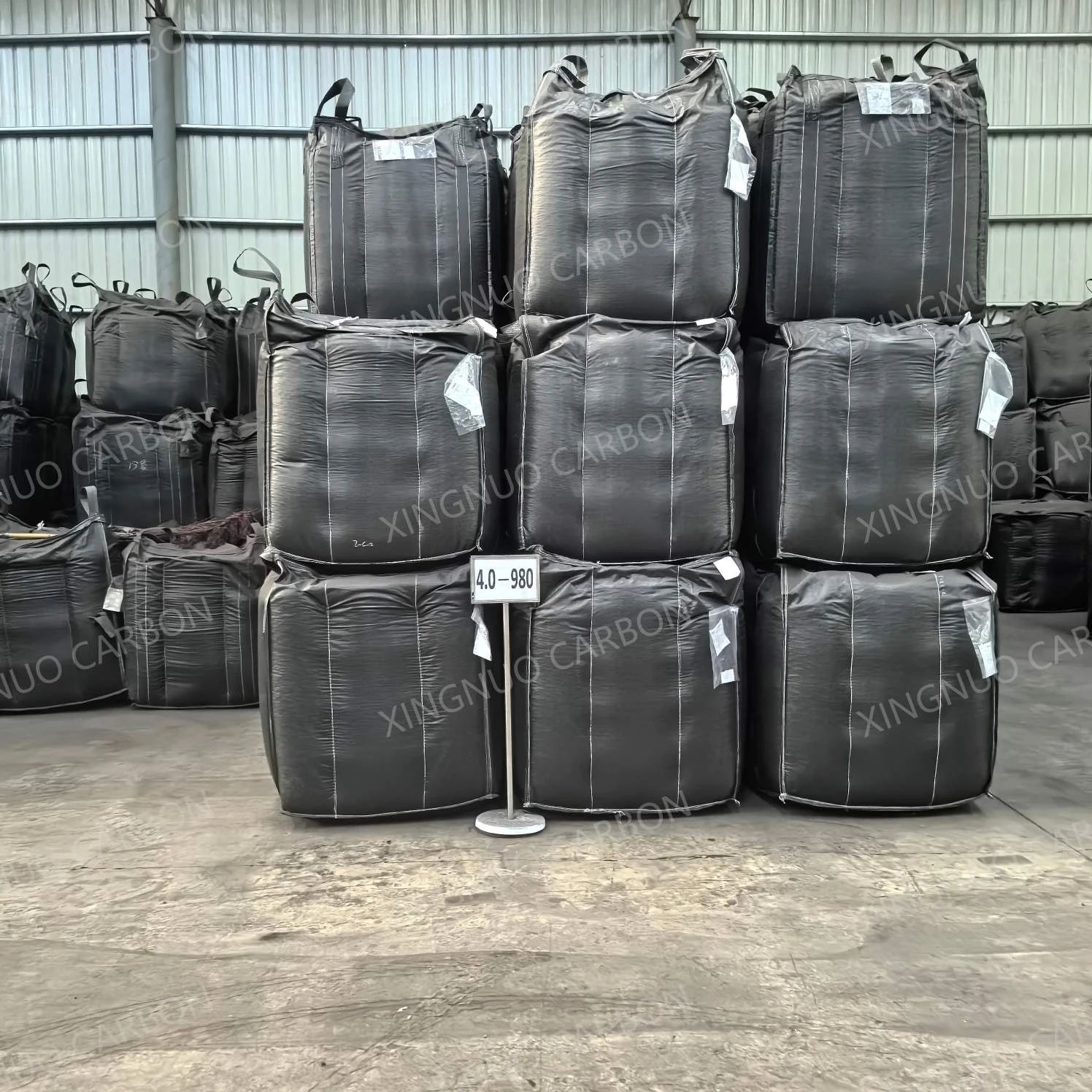
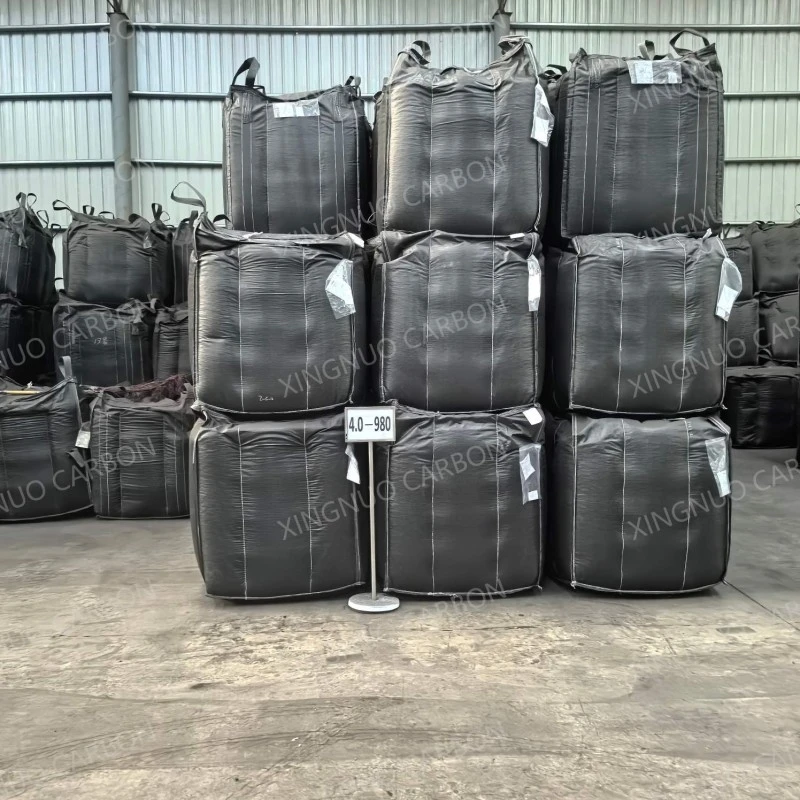
25 kg bags, 500 kg jumbo bags and palletized options |
Product Overview
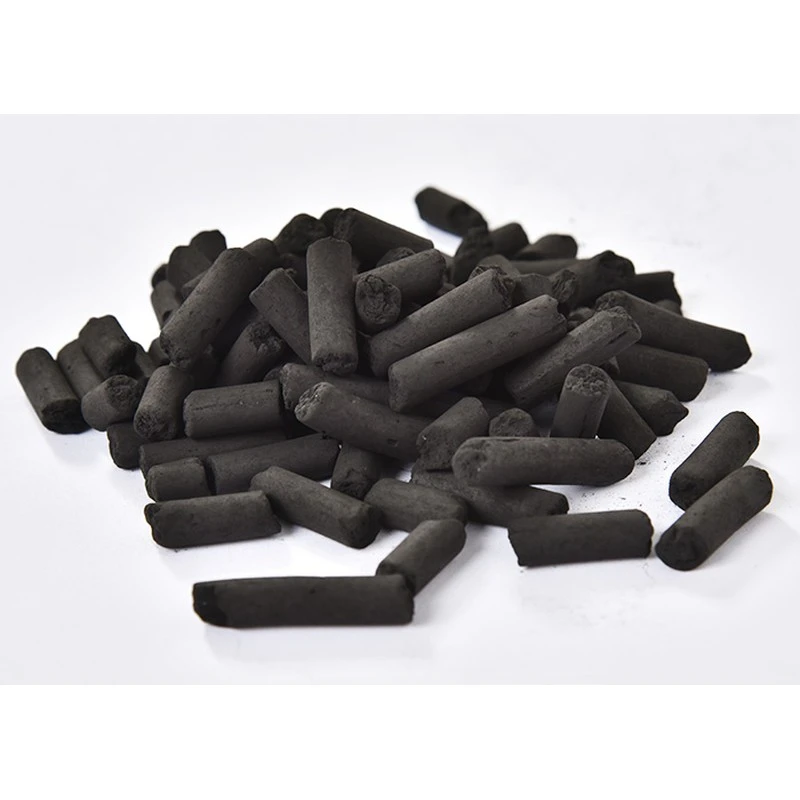
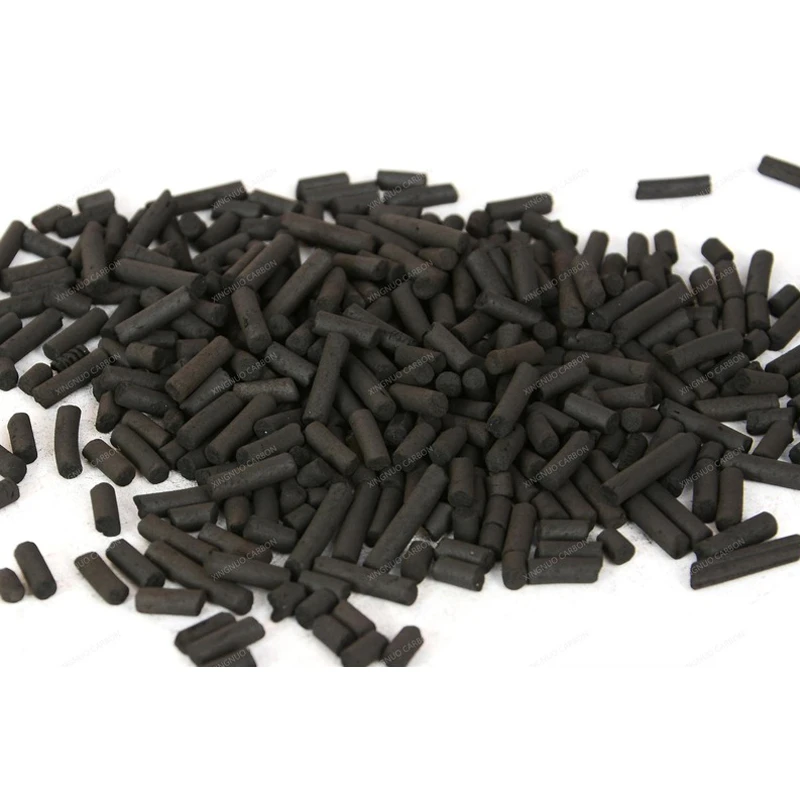
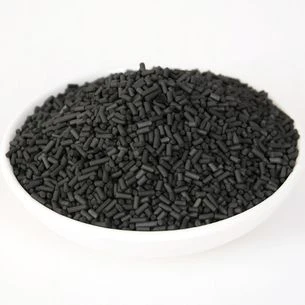
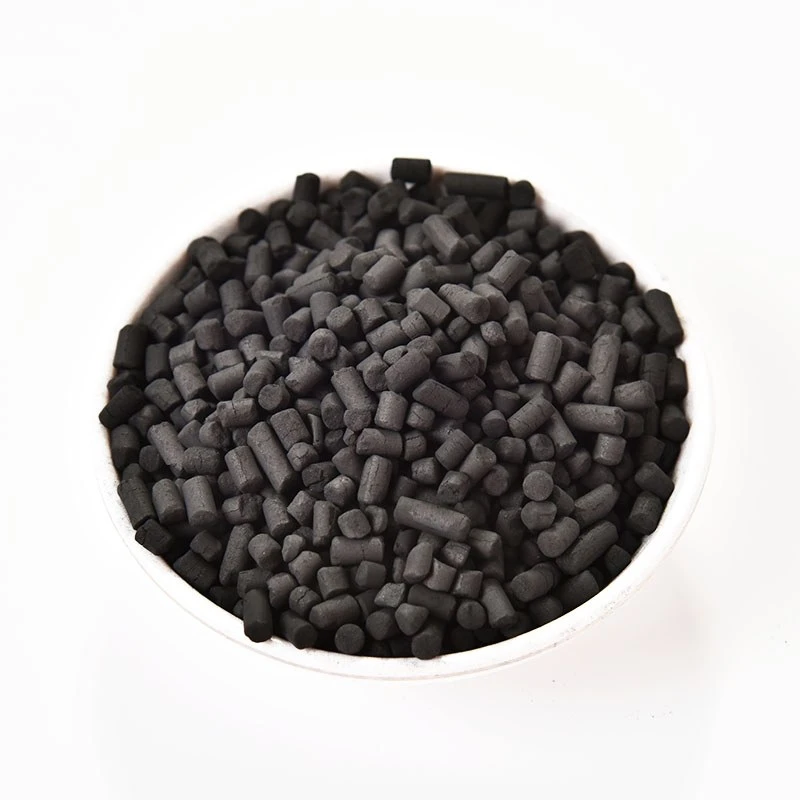
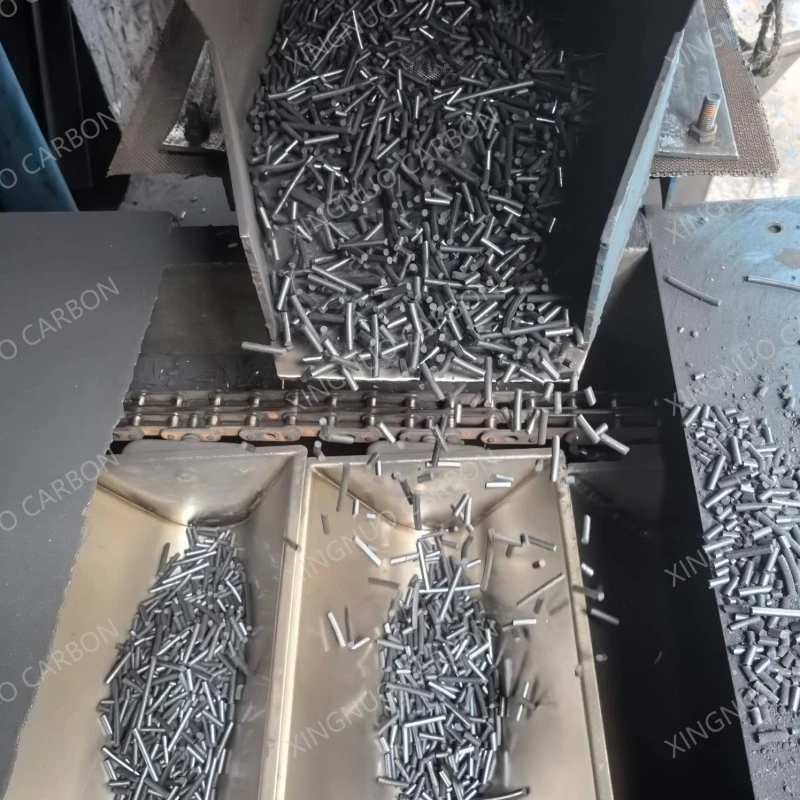
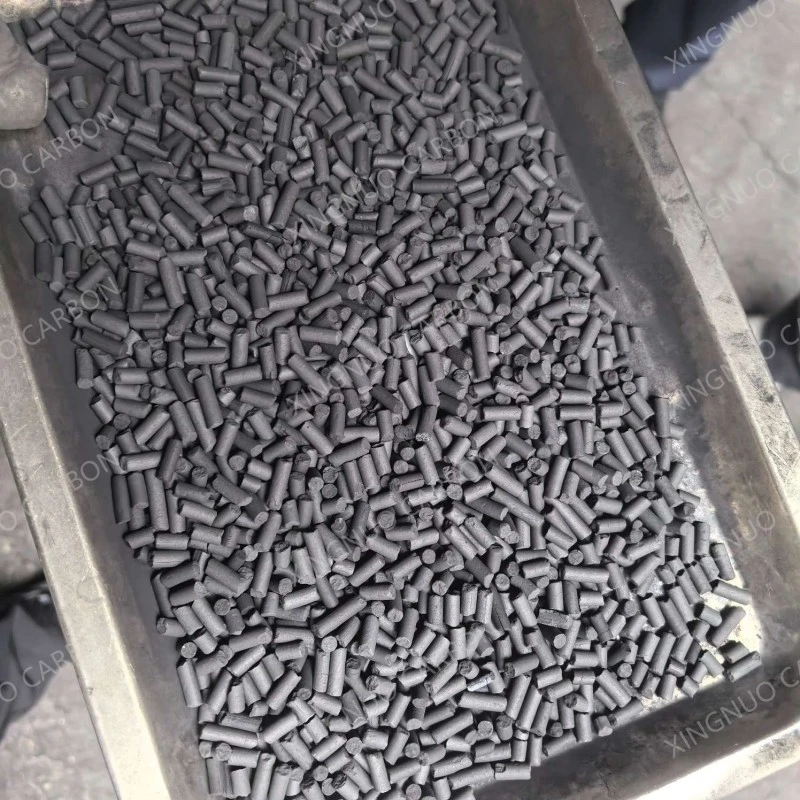
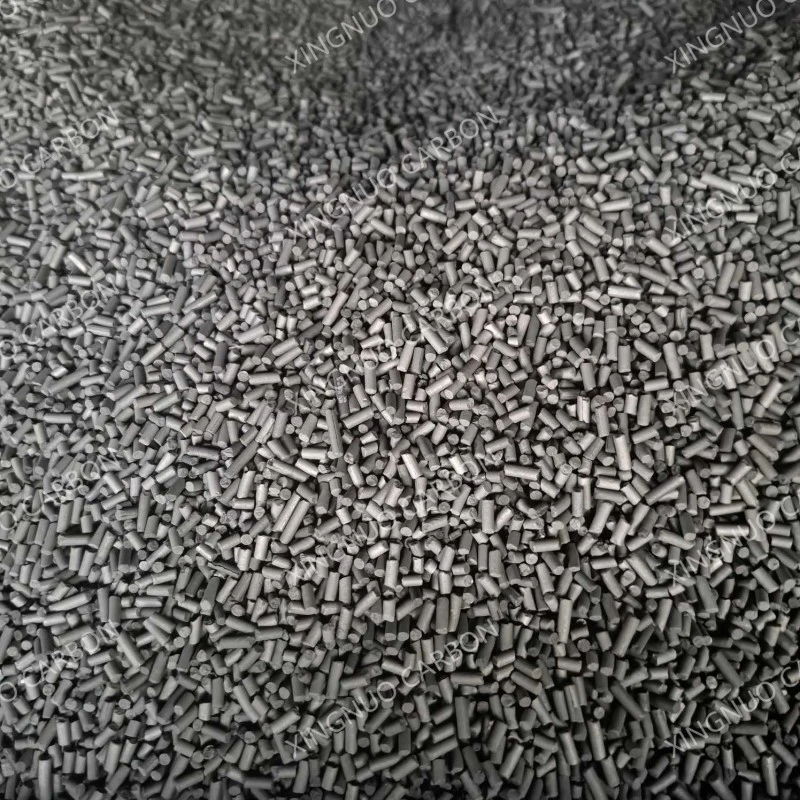
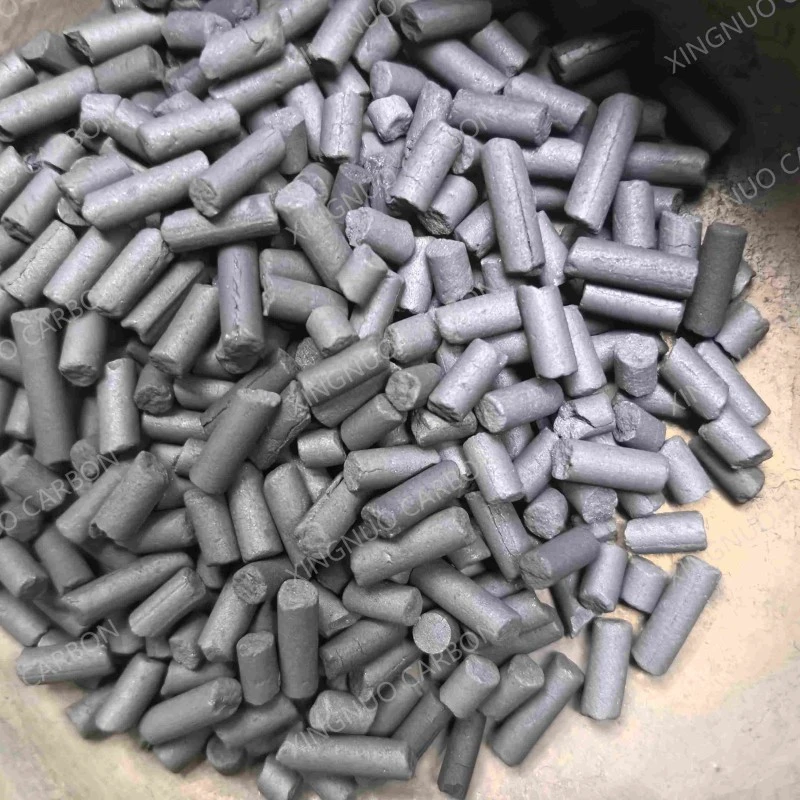
Pelletized activated carbon, also known as extruded activated carbon, is a cylindrical adsorbent produced by forming activated carbon material into uniform pellets. Its defined shape and particle size make it suitable for packed-bed systems used in industrial gas treatment and vapor adsorption.
Pelletized activated carbon is commonly considered for applications involving volatile organic compounds (VOCs), solvent vapors, odor-causing compounds and selected contaminants in industrial gas streams. The appropriate grade depends on the target compounds, gas concentration, humidity, temperature, flow rate and required treatment performance.
Compared with irregular granular carbon, cylindrical pellets provide a more uniform bed structure. This can help engineers manage gas distribution and pressure drop when the bed is properly designed. Actual performance depends on pellet diameter, bed depth, gas velocity, system design and the physical properties of the selected carbon.
Singnuocarbon supplies pelletized activated carbon for industrial adsorption applications, with product selection based on application requirements and available grade specifications.
Product Features
Cylindrical Pellet Shape
Uniform pellets support consistent packing in properly designed adsorption beds.
Suitable for Fixed-Bed Systems
Designed for use in packed-bed vessels and industrial adsorption equipment.
Controlled Bed Resistance
Pellet diameter and bed design influence pressure drop and gas flow.
For Industrial Gas Adsorption
Used for suitable VOCs, solvent vapors and odor-causing compounds.
Product Types
Coal-Based Pelletized Activated Carbon
Coal-based pelletized activated carbon is used in industrial adsorption applications where cylindrical form and suitable adsorption performance are required. Potential applications include VOC adsorption, industrial exhaust treatment and solvent vapor control, depending on the grade and gas composition.
High-CTC Pelletized Activated Carbon
High-CTC activated carbon is often evaluated for applications involving organic vapors. CTC activity can be a useful screening indicator, but it does not directly establish working capacity or removal efficiency for every VOC. Request application-specific performance data when selecting a grade.
Impregnated Pelletized Activated Carbon
For selected gas-treatment duties, impregnated activated carbon may be more appropriate than standard activated carbon. The impregnant should be matched to the target contaminant and operating conditions. Confirm the available impregnation type, target gas, operating limits and relevant technical data before specifying this option. Contact Sinoucarbon to confirm which pelletized and specialty grades are available for your application.
Product Specification Sheet
The following specifications apply to our standard 4 mm coal-based pelletized activated carbon. Other grades may have different specifications.
Specifications may vary by grade. Please request the technical data sheet for your required product before ordering.
|
Parameter |
Specification |
Test Method |
|
Raw Material |
Bituminous coal |
— |
|
Pellet Diameter |
4.0 mm |
ASTM D2862 |
|
CTC Activity |
≥ 60% |
ASTM D3467 |
|
Iodine Number |
≥ 950 mg/g |
ASTM D4607 |
|
Hardness |
≥ 95% |
ASTM D3802 |
|
Moisture Content |
≤ 5% |
ASTM D2867 |
|
Ash Content |
≤ 12% |
ASTM D2866 |
|
Pellet Size Options |
3 mm, 4 mm |
Confirm by order |
|
Packaging |
25 kg bags / 500 kg jumbo bags |
Subject to confirmation |
How to Choose
1. Identify the Target Gas or VOC
Specify the target compound, such as a particular VOC, solvent vapor or odor-causing contaminant. Different compounds have different adsorption characteristics, so the carbon grade must match the application.
2. Check Gas Concentration, Temperature and Humidity
Provide the inlet concentration, operating temperature and relative humidity. These conditions affect adsorption performance and the expected service life of the carbon bed.
3. Select the Pellet Diameter
Pellet diameter affects gas-solid contact, mass transfer and pressure drop. The final choice should balance adsorption performance with the allowable pressure drop and the design of the adsorption vessel.
4. Compare the Relevant Specifications
Review CTC activity, hardness, moisture, ash content and bulk density when comparing available grades. Iodine value can also be useful, but no single indicator can fully predict performance for a specific VOC or gas mixture.
5. Confirm the Adsorption System Requirements
Provide the gas flow rate, vessel dimensions, bed depth and operating pressure, where available. These details help assess whether the selected pellet size and carbon grade are suitable for the system.
6. Estimate Service Life and Replacement Needs
Expected service life depends on contaminant loading, working adsorption capacity, gas conditions and operating patterns. For regeneration or solvent recovery systems, confirm the compatibility of the carbon with the intended process before selection. Need help selecting a grade? Send Sinoucarbon your target contaminant, gas flow rate, inlet concentration, temperature, humidity and required pellet diameter. Our team can review the available specifications against your application requirements.
Not sure which grade is suitable for your application? Send us your water or gas treatment conditions and target specifications for a recommendation.
Why Choose Singnuocarbon
Application-Based Product Selection
Share your target gas and operating conditions so the appropriate available grade can be evaluated against your requirements.
Technical Specifications for Comparison
Request available product data for key indicators such as CTC activity, iodine value, hardness, ash content, moisture and bulk density.
Flexible Procurement Options
Packaging and order arrangements can be discussed according to the selected grade, quantity and shipment requirements.
Export-Oriented Supply
Standard packaging options include 25 kg bags, 500 kg jumbo bags and palletized shipments, subject to confirmation.
Support for Industrial Applications
Provide the process details and technical requirements for your application so the product selection can be reviewed before ordering.
Packaging & Delivery
Standard Packaging
25 kg bags
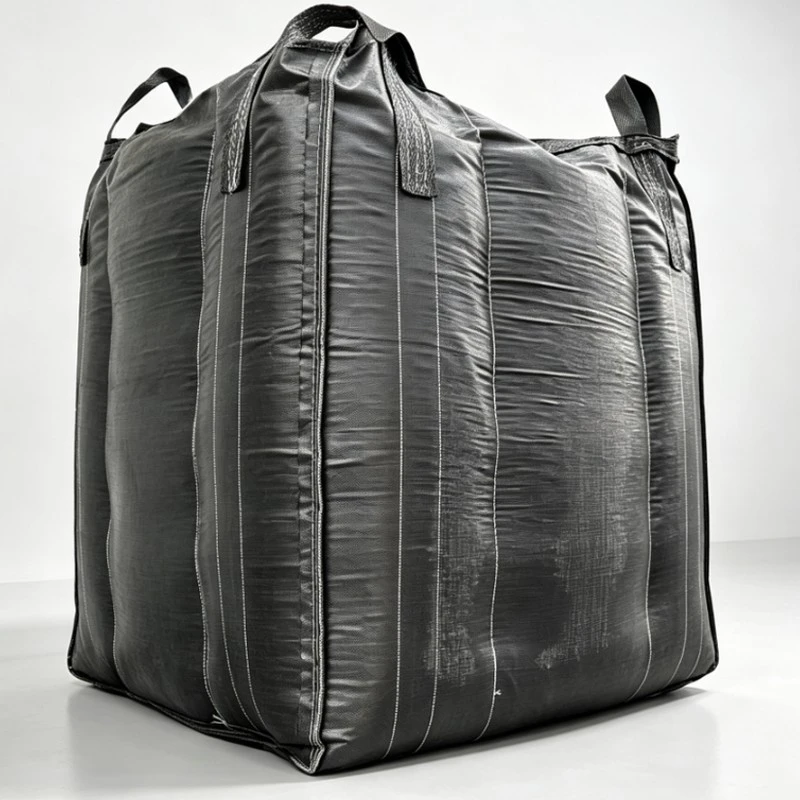
500 kg jumbo bags
Palletized packaging
Customized packaging available
Bulk Supply
Packaging and loading arrangements can be adjusted according to order quantity, shipping requirements and destination.
Shipping
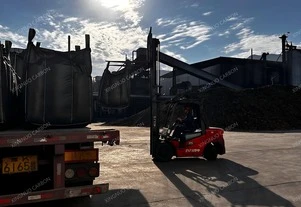
We support standard international shipping arrangements and can provide the required export documentation for international orders.
Lead Time
Production lead time depends on product grade, order quantity and customization requirements. Please contact us for the estimated production schedule for your order.
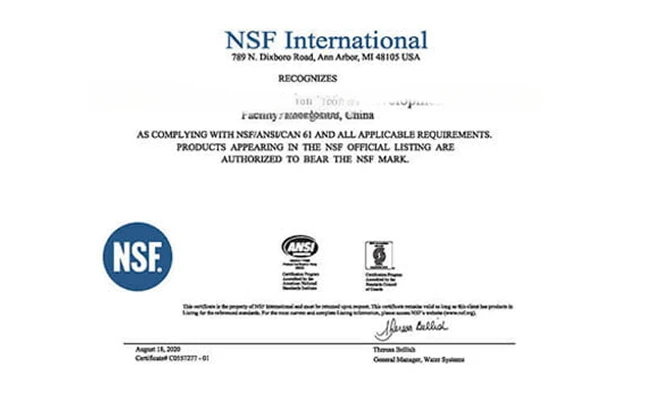
Quality/Testing

Applications
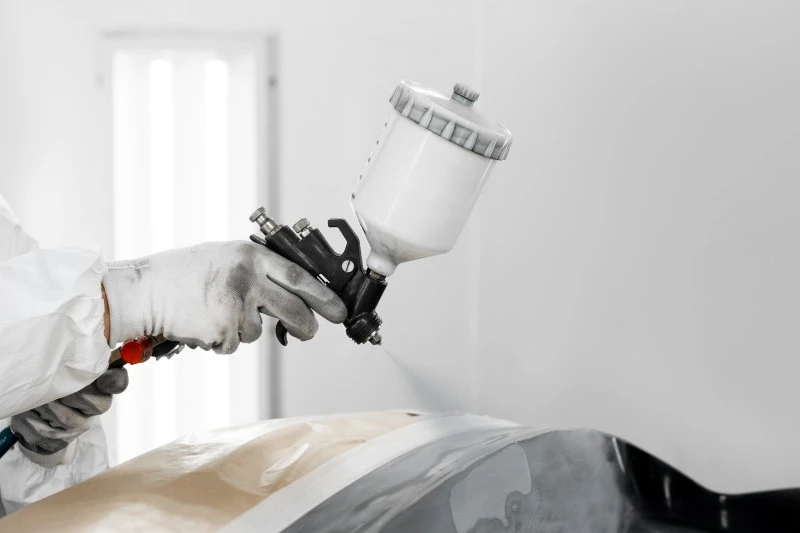
VOC Removal from Industrial Exhaust
Pelletized activated carbon adsorbs suitable volatile organic compounds (VOCs) from industrial exhaust streams. Applications may include coating, printing, chemical processing and manufacturing. Carbon selection depends on VOC composition, concentration, humidity and exhaust temperature.
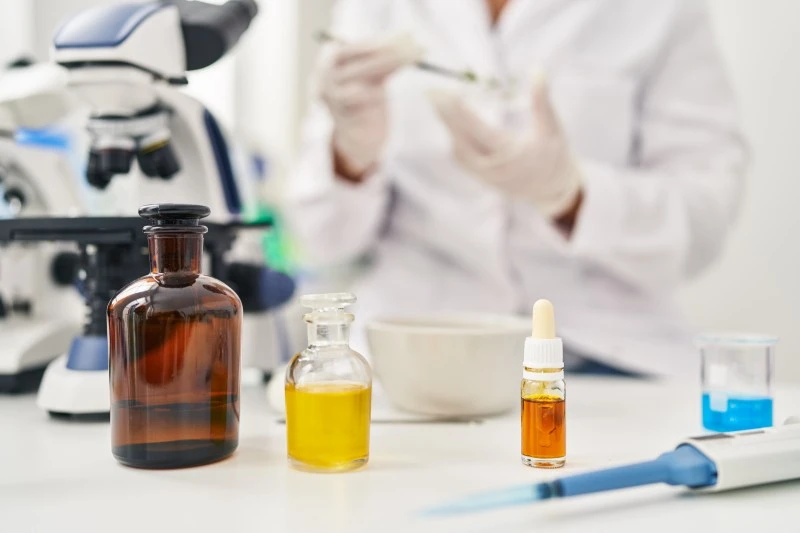
Solvent Vapor Adsorption and Recovery
Activated carbon pellets can capture suitable solvent vapors from process gas streams. For solvent recovery, selection should account for solvent properties, inlet concentration, adsorption capacity and the intended regeneration method.
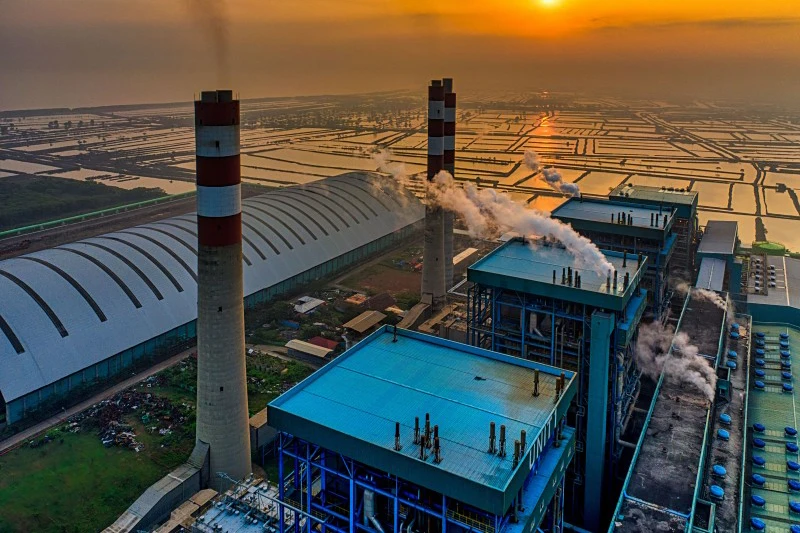
Industrial Gas Purification
Pelletized activated carbon is used in adsorption vessels to remove selected organic contaminants from industrial gas streams. The appropriate grade depends on the gas composition, target compounds and required treatment performance.
Industrial Odor Control
Pelletized activated carbon can reduce certain odor-causing compounds in industrial exhaust air. For sulfur-containing gases or other reactive contaminants, a specially impregnated grade or an alternative treatment method may be required.
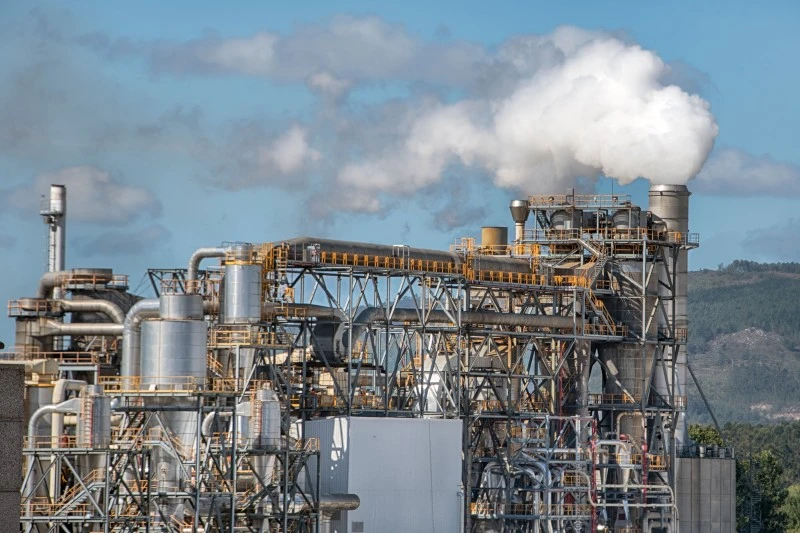
Biogas and Hydrogen Sulfide (H₂S) Removal
Activated carbon removes hydrogen sulfide in some biogas treatment systems, with impregnated activated carbon commonly used for this application. Grade selection considers H₂S concentration, moisture, temperature, gas composition and operating conditions. Application Note: Standard pelletized activated carbon is not suitable for all gas streams. Provide your target contaminant and operating conditions to identify a proper grade.
FAQ
What specifications are available for pelletized activated carbon?


Available specifications include pellet diameter, CTC activity, iodine value, hardness, ash and moisture content. Actual options depend on the product grade.
Which pelletized activated carbon is suitable for VOC removal?
The right grade depends on the target VOC, inlet concentration, temperature and humidity. Share your operating conditions so we can help identify a suitable option.
Can I request a sample before placing an order?
Sample availability depends on the required grade and specifications. Contact us with your application details to discuss sample arrangements.
Can you supply customized pelletized activated carbon?
Available specifications can be reviewed according to your requirements, including pellet diameter and adsorption performance. Please confirm your target application and technical requirements with our team.
How can I get a quotation for pelletized activated carbon?
Send us your required specifications, estimated quantity and delivery destination. For application-based recommendations, also provide the target gas and operating conditions.
Write to Us!
Fill out the form and our team will be in touch. Below is also contact info for our offices and facilities.

Tel.:
+86 199 4927 3927

E-mail:

whatsApp:
Contact with Us
Related Products
Coal-Based Tar Columnar Activated Carbon
Sizes: 1.5 mm, 2 mm, 3 mm, 4 mm, 6 mm, 8 mm, and customized sizes
Used for: Industrial waste gas treatment, solvent recovery, mercury removal, desulfurization and denitrification, gas purification
Bulk 4mm Pellet Activated Carbon for Industrial Air & VOC Filtration
Size: 4.0 mm extruded pellet, custom sieving 3 mm and 4 mm
Used for : Industrial VOC removal, H₂S scrubbing, odor control, solvent recovery, wastewater deep treatment and catalyst support.
Pelletized Activated Carbon for Wastewater Treatment
Size: 3 mm / 4 mm (custom sizes available)
Used for: Industrial wastewater pre-treatment, packed-bed adsorption columns, high-flow-rate treatment systems, chemical and pharmaceutical effluent, dye and textile wastewater.
Coal Based Pellets Activated Carbon
Size: 0.8mm, 1.5mm, 2mm, 3mm, 4mm, 6mm, 8mm, 10mm, customized
Used for: Air purification, VOC removal, solvent recovery, oil and gas recovery, gas masks, desulfurization and denitrification, drinking water and sewage purification.