+86 199 4927 3927




+86 199 4927 3927


+86 199 4927 3927
Activated Carbon for Drinking Water Treatment
Activated carbon is widely used in municipal waterworks, industrial drinking water plants, and beverage/bottling water systems to remove dissolved organic matter, taste and odor compounds, chlorine/chloramine, and selected trace micropollutants. Through adsorption inside its developed pore network, it helps stabilize finished water quality and meet strict drinking water standards across continuous operations.
Taste & Odor Compounds: Removes earthy, musty, algal, and industrial odor compounds (such as MIB and geosmin) that affect treated water palatability.
Natural Organic Matter (NOM) & TOC: Reduces dissolved organics and natural organic matter, helping limit downstream disinfection byproduct formation.
Chlorine, Chloramine & Trace Organics: Supports dechlorination and adsorbs selected pesticides, VOCs, industrial trace organics, and emerging micropollutants.
Seasonal & Source Water Fluctuations: Helps water plants cope with algal blooms, runoff, or upstream organic spikes in surface water and reservoirs.
(Note: Activated carbon does not remove water hardness, dissolved mineral salts, nitrates, or most inorganic ions by adsorption alone; those require dedicated treatment units.)
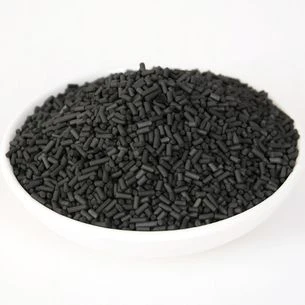
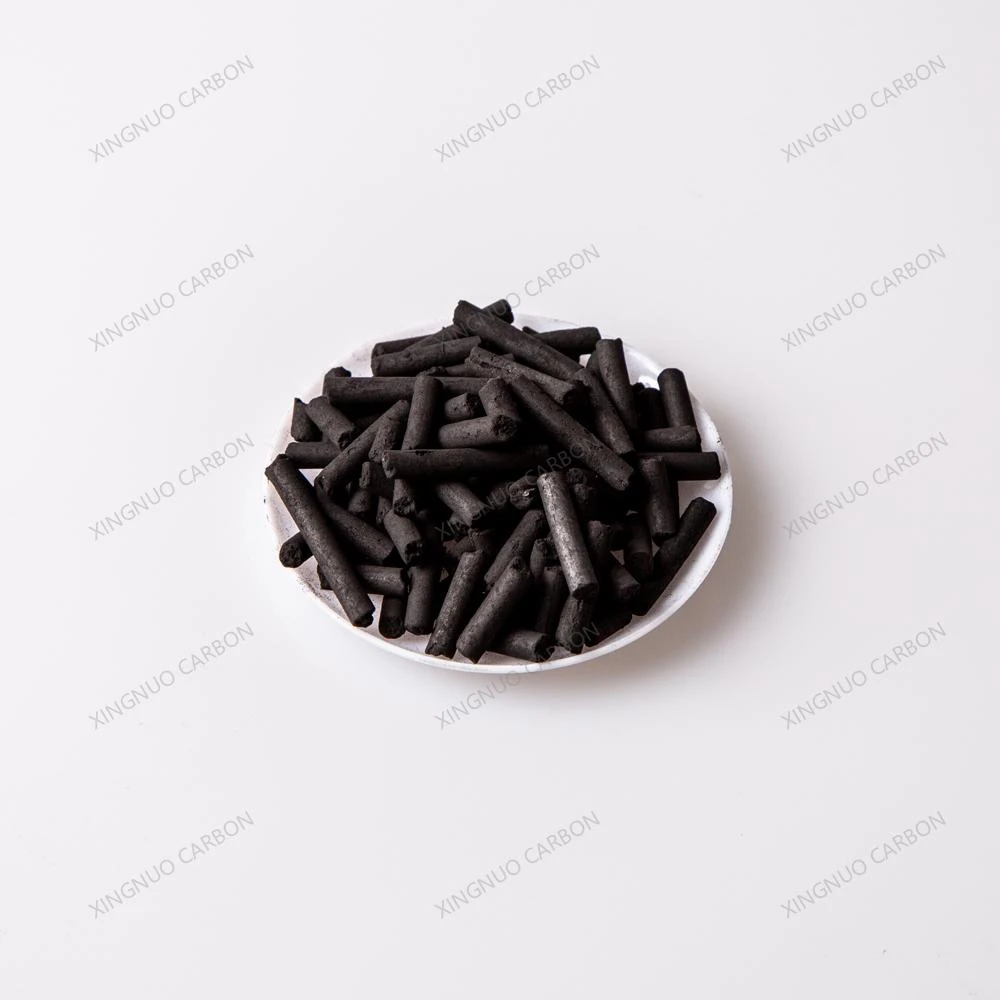
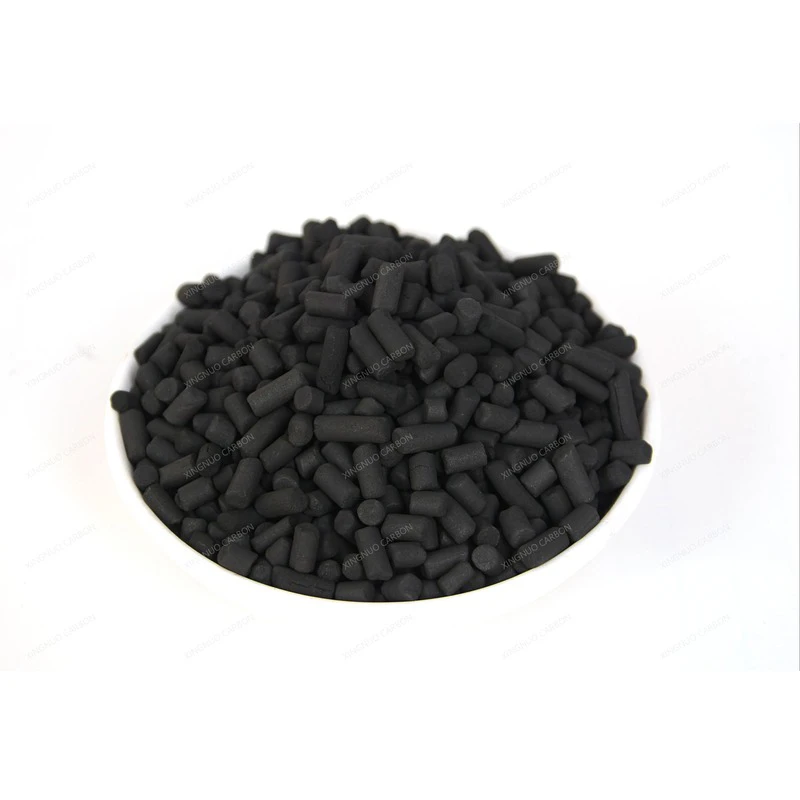
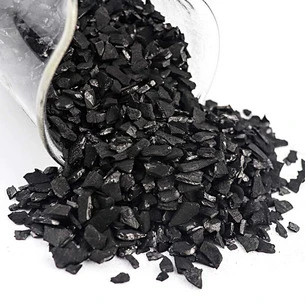
Granular Activated Carbon (GAC): Used in fixed-bed filters, gravity/pressure contactors, or dual-media/GAC-sand beds for continuous water treatment and long-term operation.
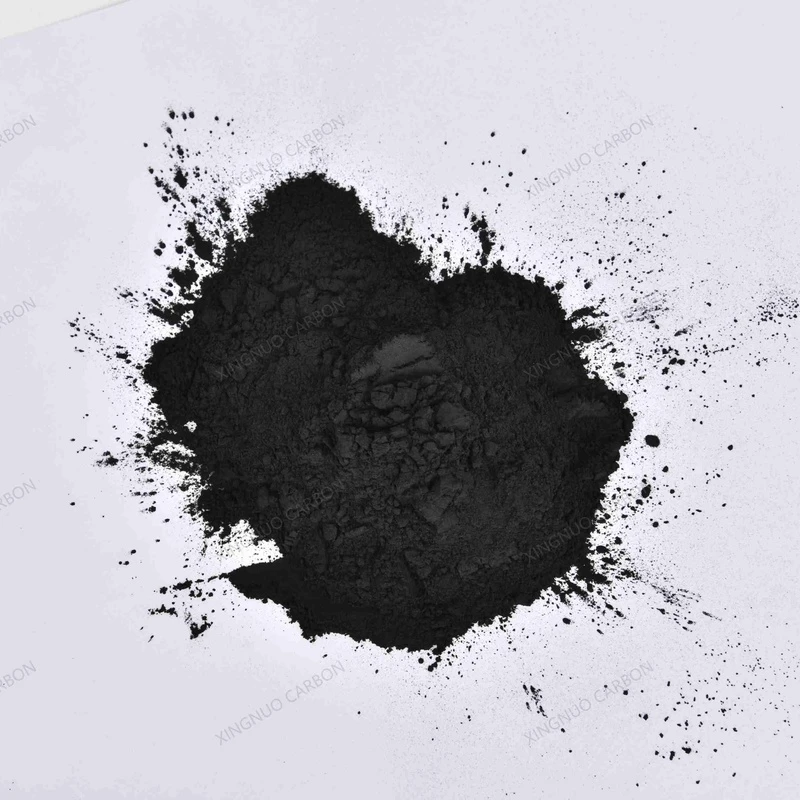
Powdered Activated Carbon (PAC): Commonly dosed upstream in coagulation/sedimentation basins for seasonal taste/odor control, algal episodes, or shock organic loads.
Drinking Water Treatment Scenarios & Carbon Selection
| Water Treatment Scenario | Typical Target / Operating Goal | Common Carbon Options |
| Municipal Waterworks (Surface / Reservoir) | Taste & odor, NOM/TOC, seasonal algae/organic spikes | Granular (GAC) / Powdered (PAC) Activated Carbon |
| Industrial & Commercial Drinking Water Supply | Consistent potable water quality, trace organics, chlorine | Coconut Shell / Coal-Based GAC |
| Bottled Water, Beverage & Food Plant Water | Clean taste/odor, low trace organics, steady batch quality | Coconut Shell / Coal-Based GAC |
| Seasonal / Shock Contamination Control | Rapid response to odor, algal metabolites, or organic surges | Powdered Activated Carbon (PAC) |
Coconut Shell Activated Carbon: Features a high proportion of micropores, high mechanical hardness, and low ash content, making it well suited for small-molecule organic adsorption, trace contaminant control, and systems requiring strong attrition resistance during backwashing.
Coal-Based Activated Carbon: Offers a balanced micro- and mesoporous structure, supporting broad organic/NOM adsorption and flexible selection across municipal and industrial water treatment plants.
Particle sizes (such as 8×30 or 12×40 mesh for GAC, and fine mesh grades for PAC), iodine numbers, hardness, and ash specifications can be supplied according to plant requirements
Key Parameters & Operating Factors for Water Plants
| Water & Plant Parameter | Why It Matters |
| Source water quality & seasonal variations | Affects NOM/TOC load, turbidity, and odor/algal risk |
| Target contaminants & required effluent standard | Determines pore structure needs and removal targets |
| Flow rate & Empty Bed Contact Time (EBCT) | Governs adsorber sizing and contact time for target removal |
| Filter bed depth, mesh size & backwash rate | Influences head loss, particle retention, and bed expansion |
| Water temperature & pH | Affects adsorption kinetics, equilibrium, and water chemistry |
| Carbon replacement or reactivation plan | Guides lifecycle cost and continuous plant operation |
EBCT & Hydraulic Design: Sufficient Empty Bed Contact Time and proper flow distribution help ensure target compounds are captured before reaching breakthrough.
Hardness & Backwash Durability: In fixed-bed filters, adequate ball-pan hardness and uniform particle sizing help limit attrition and fines generation during routine backwashing and hydraulic handling.
Pretreatment & Breakthrough Monitoring: Controlling suspended solids/turbidity ahead of GAC beds and monitoring effluent breakthrough help maintain stable performance and plan timely replacement or reactivation.
Typical Plant Process & Grade Recommendation
Fixed-Bed GAC Line: Raw Water → Coagulation / Sedimentation / Filtration → GAC Contactor / Filter → Disinfection → Treated Water
PAC Dosing Line: Raw Water → PAC Dosing & Mixing → Coagulation / Clarification / Filtration → Disinfection → Treated Water
Note: Actual removal efficiency, breakthrough time, and PAC dosage depend on raw water chemistry, EBCT, temperature, and operating conditions.
Need Activated Carbon for a Drinking Water Treatment Project? Share your water source, target contaminants or taste/odor issues, plant flow rate, preferred form (GAC or PAC), and required specifications. Our team can recommend suitable grades and provide samples for evaluation.
FAQ
Is activated carbon used in municipal and industrial drinking water plants?


Yes. Granular activated carbon (GAC) is widely used in fixed-bed filters and contactors for continuous treatment, while powdered activated carbon (PAC) is commonly dosed for seasonal taste/odor control or shock organic loads.
Can you supply samples and custom specifications for water plant testing?
Yes. We can provide samples and supply grades tailored to your required mesh size, iodine value, hardness, ash, and packaging needs.
Does activated carbon soften hard water or remove dissolved salts?
No. Standard activated carbon does not remove calcium/magnesium hardness, total dissolved salts, or nitrates; those require softening, ion exchange, or membrane processes.
Can GAC remove taste, odor, and natural organic matter (NOM)?
Yes. GAC adsorbs many taste and odor compounds as well as dissolved organic matter and NOM, subject to proper EBCT, water chemistry, and breakthrough monitoring.
Should water treatment plants choose coconut shell or coal-based GAC?
Both are used depending on water quality and system design. Coconut shell GAC provides strong microporosity and high hardness, while coal-based GAC offers a balanced micro- and mesoporous structure for broader organic profiles.
Write to Us!
Fill out the form and our team will be in touch. Below is also contact info for our offices and facilities.

Tel.:
+86 199 4927 3927

E-mail:

whatsApp:
Contact with Us
Related Products
Size: 100–325 mesh (customizable)
Used for: Wastewater treatment, decolorization, waste incineration
Size: 100×100×100 mm, 100*100*50mm,
Used for: VOC removal, exhaust gas purification, spray booths
Sizes: 1.5 mm, 2 mm, 3.0 mm, 4.0 mm, 6.0 mm
Used for: Gas purification, solvent recovery, biogas desulfurization
Size: 1.5 mm, 3.0 mm, 4.0 mm; 4×8, 8×30 mesh
Used for: H2S, acid gas, ammonia, and mercury removal
Coal-Based Tar Columnar Activated Carbon
Sizes: 1.5 mm, 2 mm, 3 mm, 4 mm, 6 mm, 8 mm, and customized sizes
Used for: Industrial waste gas treatment, solvent recovery, mercury removal, desulfurization and denitrification, gas purification
Size: 100–325 mesh (customizable)
Used for: Wastewater treatment, decolorization, waste incineration
Size: 4×8 – 12×40 mesh (GAC); 1.5 – 4.0 mm (Pellets); 200 – 325 mesh (PAC)
Used for: Industrial Gas Purification, VOC Adsorption, Wastewater Treatment, Solvent Recovery, Biogas Desulfurization, PSA Nitrogen Deoxygenation, Flue Gas Treatment
Coconut Shell Granular Activated Carbon
Size: 4-8, 6×12, 8×16, 8×30, 12×40, 30×60, 100, 200, 325 mesh (customized size available)
Used for: Drinking water and industrial water treatment, wastewater treatment, gold recovery (CIP/CIL/CIC), air purification, food and beverage decolorization, pharmaceutical purification.