+86 199 4927 3927




+86 199 4927 3927


+86 199 4927 3927
Company News
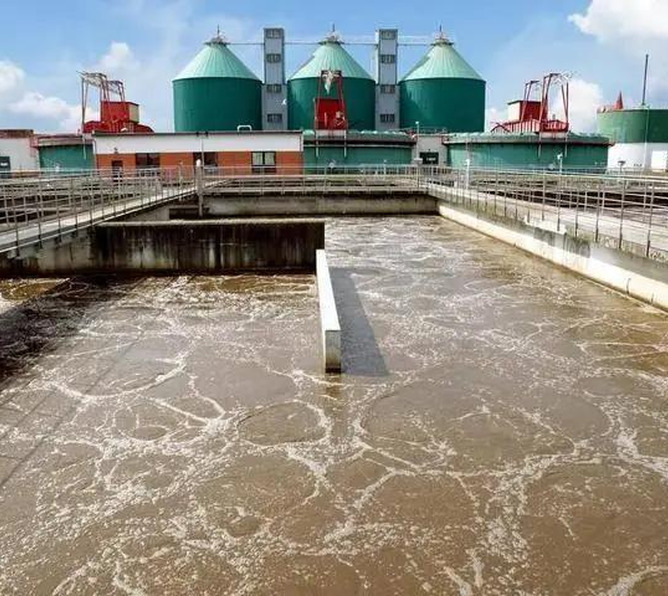
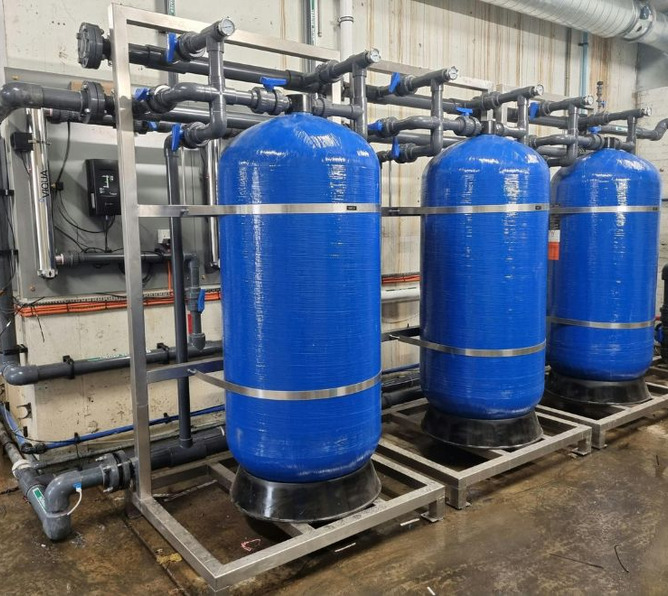
Granular activated carbon (GAC) is widely used in water and wastewater treatment to remove dissolved organic contaminants, chlorine, taste and odor compounds, color, and other adsorbable pollutants.

Application of Coconut Shell Activated Carbon in Water Treatment
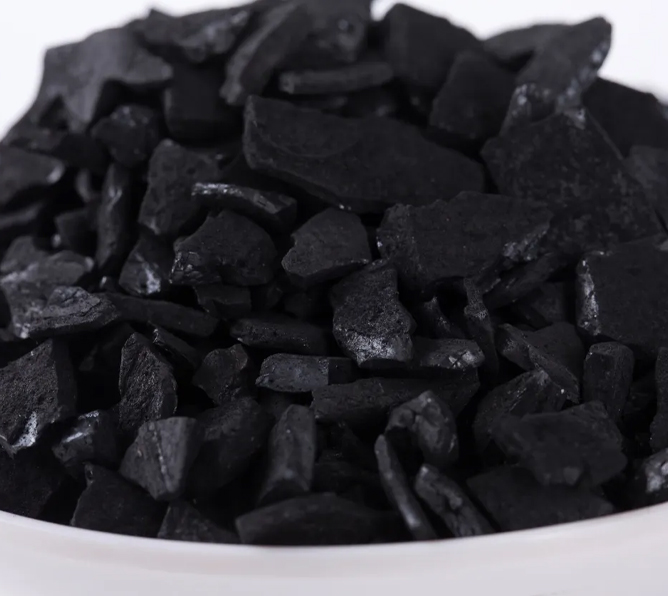
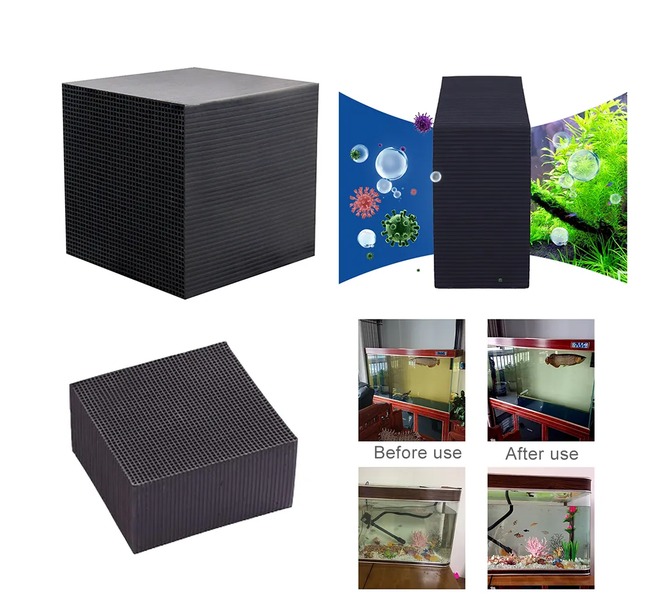
Coconut shell activated carbon is a valuable and versatile resource that can be used in a variety of industries, including drinking water treatment, industrial water treatment, fish tank water treatment, etc.
Application of coconut shell activated carbon in gold refining
Coconut shell activated carbon plays an important role in gold refining. Learn its preparation process and how its high adsorption capacity improves gold recovery in CIP and CIL processes.

The density of activated carbon
Activated carbon density determines how much carbon a filter or container will hold. This article explains bulk density, backwashed and drained density and reactor density, with typical packing densities for common activated carbons.
Activated Carbon Production Process: How Activated Carbon Is Made?
Activated carbon is widely used in water purification, gold recovery, and air filtration. The answer lies in the production process: from raw material selection to activation and finishing, each step directly impacts adsorption performance, hardness, and application suitability.
Activated Carbon for Textile Wastewater Treatment: A Practical Solution for Dye Removal
Wastewater generated from textile printing and dyeing operations is widely considered one of the most challenging types of industrial wastewater to treat. During processes such as dyeing, printing, washing, and finishing, a large amount of water is used, and the resulting effluent typically contains dyes, organic chemicals, surfactants, and auxiliary agents.
Activated Carbon for Chlorine Removal: How to Choose and Use GAC Effectively
Yes, activated carbon can effectively remove free chlorine from water and is widely used for dechlorination and RO pretreatment. However, carbon selection should not be based on iodine number alone. For a reliable GAC dechlorination system, consider chlorine type, inlet concentration, flow rate, EBCT, carbon bed depth, particle size, and required outlet chlorine. If the water contains chloramine rather than free chlorine, conventional GAC may not be sufficient and catalytic activated carbon may be a better option.
Activated Carbon for Ozone Removal: How It Works and How to Select the Right Carbon
Yes. Activated carbon can remove ozone from both water and gas streams. But calling it simply “ozone adsorption” is misleading. When ozone reaches the carbon surface, it reacts with the surface and breaks down. The carbon therefore acts as a reactive medium, not just a container that holds ozone inside its pores. This is also why ozone treatment is different from many conventional adsorption applications.
Write to Us!
Fill out the form and our team will be in touch. Below is also contact info for our offices and facilities.

Tel.:
+86 199 4927 3927

E-mail:

whatsApp:
Contact with Us