+86 199 4927 3927




+86 199 4927 3927


+86 199 4927 3927
Activated Carbon for Chlorine Removal: How to Choose and Use GAC Effectively
Nov. 03, 2026
Yes, activated carbon can effectively remove free chlorine from water and is widely used for dechlorination and RO pretreatment.
However, carbon selection should not be based on iodine number alone. For a reliable GAC dechlorination system, consider chlorine type, inlet concentration, flow rate, EBCT, carbon bed depth, particle size, and required outlet chlorine.
If the water contains chloramine rather than free chlorine, conventional GAC may not be sufficient and catalytic activated carbon may be a better option.
Chlorine is widely used to disinfect drinking water, process water, and municipal supplies. But when chlorinated water enters downstream equipment, the same disinfectant that protects water quality can become a problem. Chlorine can affect product quality, alter process chemistry, and, most importantly, damage chlorine-sensitive RO membranes.
Granular activated carbon (GAC) is one of the most widely used methods for dechlorination. But choosing a carbon based only on its iodine number or raw material can lead to disappointing results.
The more useful question is not simply “Can activated carbon remove chlorine?” It is:
How do you select and operate GAC so that chlorine removal remains reliable under your actual water conditions?
This guide focuses on the practical factors that determine dechlorination performance, from carbon selection and contact time to chlorine breakthrough and replacement.
Yes. Activated carbon can effectively remove free chlorine from water and is commonly used in water filtration and RO pretreatment systems.
Free chlorine in water may exist mainly as hypochlorous acid (HOCl) and hypochlorite ions (OCl⁻), depending on water chemistry. Activated carbon promotes reactions that convert these oxidizing chlorine species into chloride, while the carbon surface is involved in the dechlorination process.
This is different from simply trapping chlorine inside the carbon pores.
Free chlorine and chloramine are not the same
| Water condition | Typical carbon approach |
| Free chlorine | Conventional GAC is commonly used |
| Chloramine | More difficult to remove; catalytic activated carbon may be considered |
| Free chlorine + chloramine | Carbon selection should be based on the actual disinfectant composition |
| Chlorinated water before RO | Reliable dechlorination is important for membrane protection |
Therefore, a carbon that performs well for free chlorine should not automatically be assumed to provide the same performance against chloramine.
First Identify What You Need to Remove
Before choosing a carbon grade, check your water analysis or treatment process to determine whether the disinfectant is free chlorine, chloramine, or both.
This distinction matters because conventional GAC is commonly used for free chlorine removal, while chloramine can be more difficult to remove and may require catalytic activated carbon or different operating conditions.
In other words, do not choose the carbon before identifying the chlorine species.
There is no single activated carbon that is automatically the “best” for every chlorine removal system.
The appropriate GAC depends on the water quality, flow conditions, equipment design, and required outlet chlorine concentration.
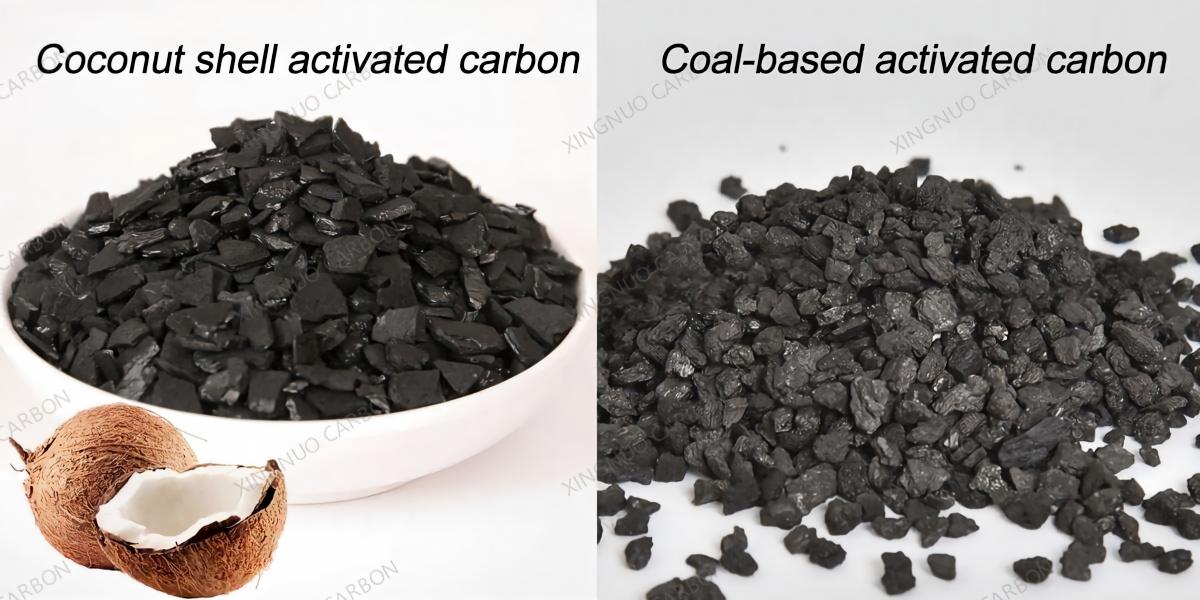
Coconut shell activated carbon is commonly used for water treatment because of its hardness, relatively low ash content, and well-developed microporous structure.
It can be a practical choice for many free-chlorine removal applications, particularly where durable granular carbon is required.
Coal-based activated carbon can also be used for dechlorination. Its pore structure and physical properties differ from those of coconut shell carbon, and it may be selected when the overall water-treatment duty requires a different balance of pore characteristics, hardness, and operating cost.
A higher iodine number does not automatically mean better chlorine removal. Dechlorination performance also depends on carbon surface properties, particle size, flow rate, EBCT, chlorine concentration, and water chemistry.
Actual performance also depends on:
• Carbon particle size
• Surface chemistry
• Flow rate
• Empty bed contact time (EBCT)
• Carbon bed depth
• Influent chlorine concentration
• Water temperature and pH
• Hydraulic distribution
For this reason, selecting carbon solely because it has a high iodine number can be misleading.
When a GAC system is installed, the carbon is only one part of the treatment process.
High-quality carbon can still perform poorly if water passes through the bed too quickly or if the carbon bed is poorly designed.
As flow increases while the carbon bed remains unchanged, the water has less time to interact with the carbon.
This can reduce dechlorination performance.
A deeper carbon bed generally provides more available contact volume and can improve the opportunity for chlorine removal.
However, simply making the bed deeper is not always the most economical solution. Equipment size, pressure drop, backwashing requirements, and carbon cost must also be considered.
Smaller GAC particles can provide shorter diffusion paths and may improve mass transfer. However, smaller particles also tend to create higher pressure drop.
Therefore:
The smallest particle size is not automatically the best choice.
The practical selection needs to balance treatment performance with hydraulic requirements.
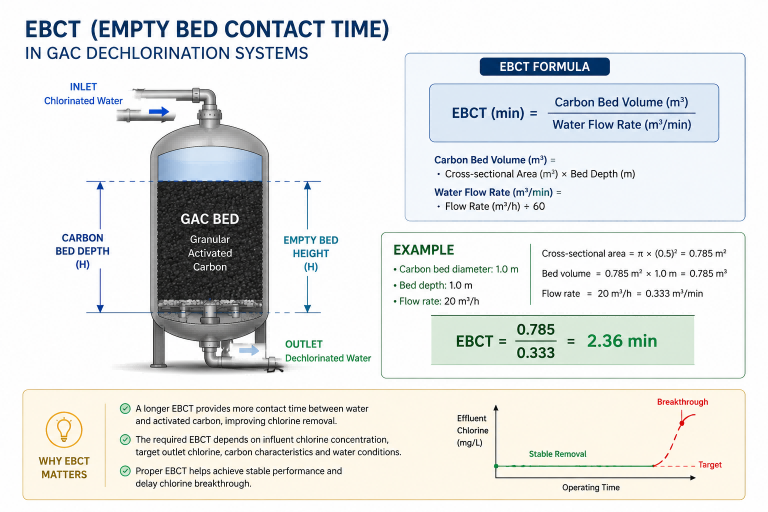
One of the most important parameters in a GAC dechlorination system is Empty Bed Contact Time (EBCT).
EBCT represents the theoretical time water would remain in the empty volume occupied by the carbon bed.
A simplified calculation is:
EBCT = Carbon Bed Volume ÷ Water Flow Rate
For example, if a system contains 1 m³ of carbon bed volume and processes 20 m³/h of water:
EBCT = 1 ÷ 20 hour = 3 minutes
A higher EBCT generally gives water more opportunity to contact the carbon.
But this does not mean that simply increasing EBCT indefinitely is the answer.
A larger carbon bed means:
• Larger equipment
• More initial carbon
• Higher capital cost
• Potentially greater operating cost
The required EBCT should therefore be considered together with influent chlorine concentration, target outlet concentration, carbon characteristics, and actual system performance.
Poor hydraulic distribution can cause water to pass preferentially through certain parts of the bed.
This phenomenon, commonly referred to as channeling, means that the actual contact experienced by part of the water can be lower than the theoretical EBCT.
Good vessel design and water distribution are therefore just as important as the nominal contact time.
Fresh activated carbon can remove chlorine effectively. The more important operational question is:
How long will it continue to provide the required outlet water quality?
This is where chlorine breakthrough becomes important.
During normal operation, the outlet chlorine concentration should remain below the required target. As the carbon's dechlorination performance declines, chlorine begins to appear in the treated water.
A simplified operating trend is:
Fresh carbon → stable chlorine removal → gradual performance decline → breakthrough → carbon replacement
The exact service life cannot be determined simply from the carbon's iodine number.
It depends on the actual operating conditions, including:
• Influent chlorine concentration
• Water flow
• EBCT
• Carbon bed volume
• Carbon characteristics
• Water chemistry
• Operating hours
Regularly measuring influent and effluent chlorine provides a much more useful indication of carbon performance than relying on a fixed replacement schedule.
For systems protecting RO membranes, monitoring residual chlorine after the GAC stage is particularly important.
If outlet chlorine begins to rise toward the system limit, the carbon bed should be evaluated before membrane damage or downstream process problems occur.
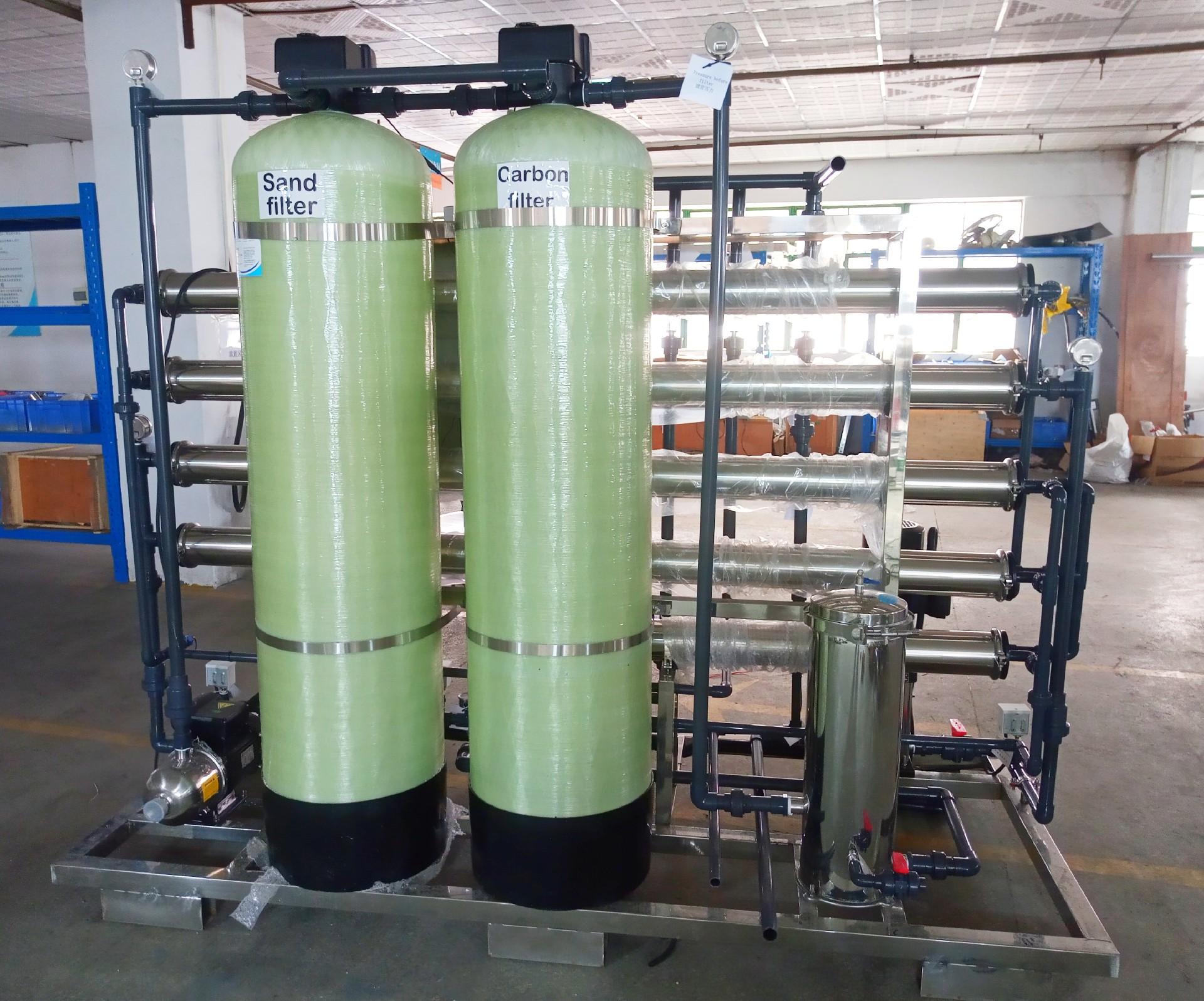
RO systems are one of the most important industrial applications for activated carbon dechlorination.
Many RO membranes are sensitive to oxidizing agents such as free chlorine. If chlorinated feed water reaches the membrane without adequate dechlorination, membrane performance and service life can be affected.
A typical treatment sequence may therefore look like:
Chlorinated feed water → GAC dechlorination → residual chlorine monitoring → RO
The purpose of the GAC stage is not simply to “filter the water.”
It provides a dechlorination barrier before the RO membrane.
For an RO pretreatment system, carbon selection should therefore consider:
1. Influent chlorine concentration
2. Required residual chlorine after GAC
3. Water flow rate
4. Available carbon bed volume
5. EBCT
6. Expected operating cycle
7. Monitoring and carbon replacement strategy
This is why a carbon specification sheet alone cannot determine whether a particular grade will work in a customer's RO system.
Before purchasing activated carbon for chlorine removal, collect the following information:
| Parameter | Why it matters |
| Influent chlorine | Determines the dechlorination duty |
| Chlorine type | Free chlorine and chloramine behave differently |
| Flow rate | Directly affects contact time |
| Target outlet chlorine | Defines the required treatment performance |
| Carbon bed volume | Determines available contact volume |
| Particle size | Affects mass transfer and pressure drop |
| Application | RO, drinking water, process water, etc. |
| Operating cycle | Helps estimate carbon replacement requirements |
Step 1 — Identify the disinfectant
Determine whether the water contains free chlorine, chloramine, or both.
Step 2 — Define the treatment target
Know the required chlorine concentration after the GAC stage.
Step 3 — Check the hydraulic conditions
Determine flow rate, vessel size, carbon bed depth, and available EBCT.
Step 4 — Select the carbon
Compare GAC types based on particle size, hardness, ash, iodine number, pore structure, and application requirements.
Step 5 — Verify performance
For critical applications, actual water testing or pilot testing is preferable to selecting carbon from a specification sheet alone.
Activated carbon can be an effective solution for chlorine removal, but reliable dechlorination is not simply a matter of choosing the carbon with the highest iodine number.
The real performance of a GAC system depends on the interaction between carbon properties and operating conditions.
For industrial water treatment, the most important questions are:
• What type of chlorine is present?
• What outlet concentration is required?
• What is the water flow rate?
• What EBCT can the system provide?
• What carbon particle size is appropriate?
• How will chlorine breakthrough be monitored?
• When should the carbon be replaced?
For RO pretreatment and other chlorine-sensitive processes, these questions become even more important.
If you are selecting activated carbon for a specific dechlorination system, providing the water flow rate, inlet chlorine concentration, target outlet concentration, vessel dimensions, and application allows the carbon grade and operating conditions to be evaluated more accurately.
A: The lifespan of activated carbon in dechlorination depends on various factors, including water quality and usage conditions. Regular monitoring of chlorine breakthrough will help determine when replacement is necessary.
A: Yes, we offer a variety of activated carbon products including those designed specifically for chlorine removal and reverse osmosis pretreatment. Please contact us for details on our product range.
A: Yes, we can provide bulk pricing and custom solutions based on your specific requirements. Please reach out to us for a detailed quote.
A: When selecting activated carbon for chlorine removal, consider factors such as the type of chlorine present, inlet concentration, flow rate, empty bed contact time (EBCT), carbon bed depth, particle size, and the required outlet chlorine concentration.
A: Conventional granular activated carbon (GAC) may not effectively remove chloramines. We recommend considering catalytic activated carbon for improved removal of chloramines.
Need activated carbon?
Get Factory-Direct Pricing — No Middlemen
20+ years manufacturing. MOQ 1 ton. Free samples. Reply within 2 hours.
What is your MOQ?


Usually our MOQ is 1 ton for bulk order. If for yourself use or need a small quantity, I suggest you buy it localy which is more economical
What after-sales services do you provide?
We have a technical departmen that can provide free technical guidance, f you have any usage problems after purchase please contact us freely
How long is your delivery time?
We have sufficient stock in our warehouse and can usually be delivered within 7-15 days.
How do you ensure product quality?
We have an independent quality inspection department Each batch of products must inspected at all levels during the production process Only the products that pass the inspection can eave the factory for sale.
What is your payment method?
Usually we accept TT payment, please contact our sales manager for specific details.
Do you provide samples?
Yes, samples within 1kg is free, but customers should afford the export shipping cost.
Related Products
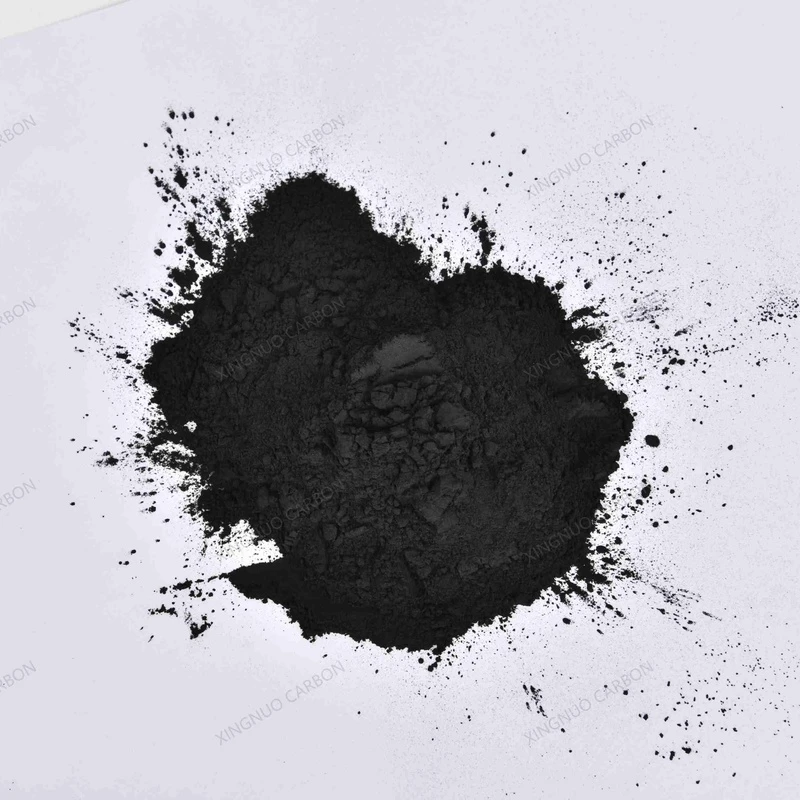
Size: 100–325 mesh (customizable)
Used for: Wastewater treatment, decolorization, waste incineration
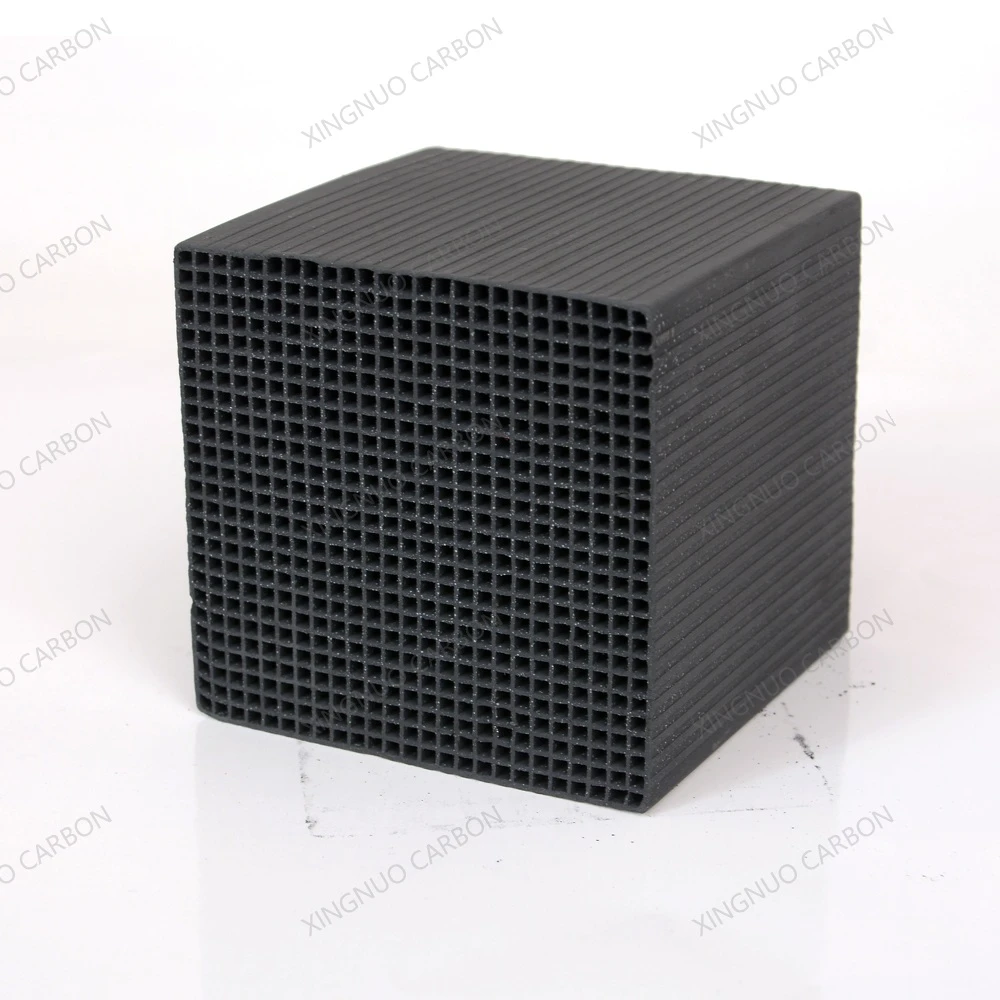
Size: 100×100×100 mm, 100*100*50mm,
Used for: VOC removal, exhaust gas purification, spray booths
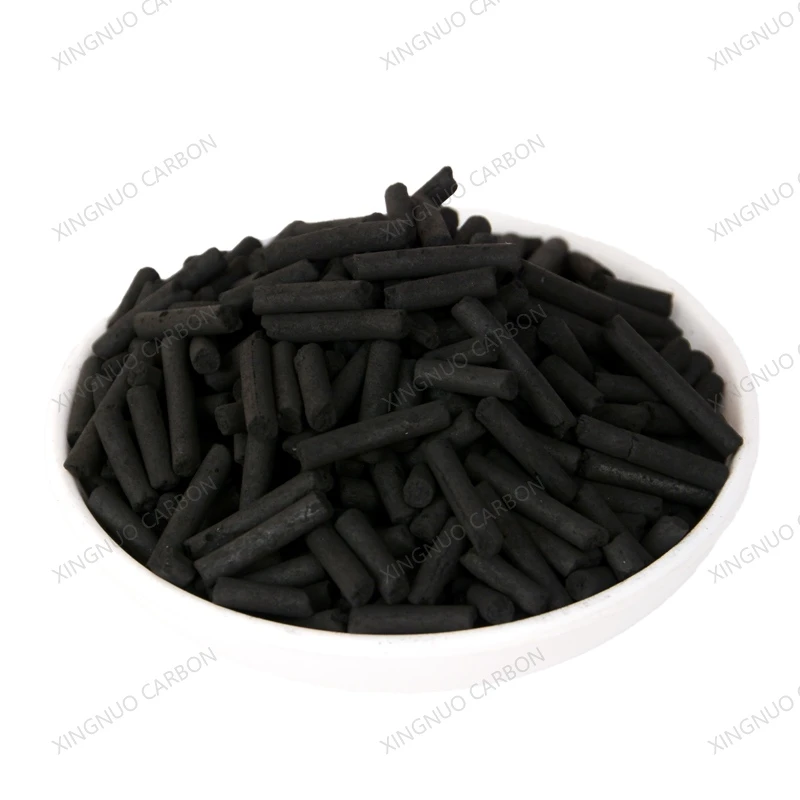
Sizes: 1.5 mm, 2 mm, 3.0 mm, 4.0 mm, 6.0 mm
Used for: Gas purification, solvent recovery, biogas desulfurization
Size: 1.5 mm, 3.0 mm, 4.0 mm; 4×8, 8×30 mesh
Used for: H2S, acid gas, ammonia, and mercury removal
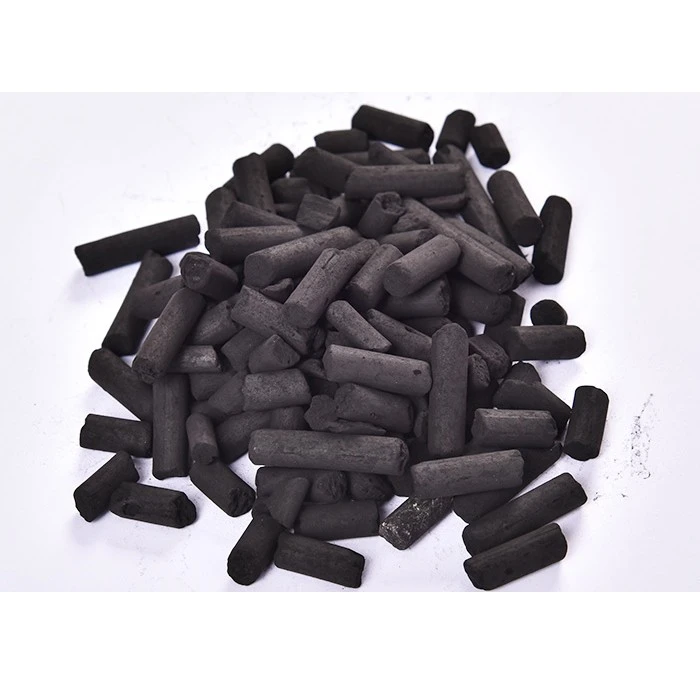
Coal-Based Tar Columnar Activated Carbon
Sizes: 1.5 mm, 2 mm, 3 mm, 4 mm, 6 mm, 8 mm, and customized sizes
Used for: Industrial waste gas treatment, solvent recovery, mercury removal, desulfurization and denitrification, gas purification
Size: 100–325 mesh (customizable)
Used for: Wastewater treatment, decolorization, waste incineration
Size: 4×8 – 12×40 mesh (GAC); 1.5 – 4.0 mm (Pellets); 200 – 325 mesh (PAC)
Used for: Industrial Gas Purification, VOC Adsorption, Wastewater Treatment, Solvent Recovery, Biogas Desulfurization, PSA Nitrogen Deoxygenation, Flue Gas Treatment
Coconut Shell Granular Activated Carbon
Size: 4-8, 6×12, 8×16, 8×30, 12×40, 30×60, 100, 200, 325 mesh (customized size available)
Used for: Drinking water and industrial water treatment, wastewater treatment, gold recovery (CIP/CIL/CIC), air purification, food and beverage decolorization, pharmaceutical purification.