+86 199 4927 3927




+86 199 4927 3927


+86 199 4927 3927
How to Choose Activated Carbon for Gold Recovery (Avoid Fake Coconut Shell Carbon)
Nov. 06, 2026
This imbalance has led to sharp price increases and widespread market disorder, including:
• Substitution with inferior fruit shell carbon (apricot, peach shell)
• Refurbished spent carbon resold as new
• Adulteration with low-quality coal-based carbon
These issues directly affect gold recovery efficiency, operational safety, and production costs.
This guide provides a complete breakdown—from market trends to supplier selection—to help you avoid costly mistakes.
1. Market Situation: Why Prices Are Rising and Quality Is Declining
• Increasing gold prices drive higher mining activity
• Demand for metallurgical activated carbon surges
• High-quality coconut shell raw material supply is tight, with costs doubling
• Production cycle is long and activation process is complex
Result:
• Supply shortages
• Price volatility
• Inferior products entering the market
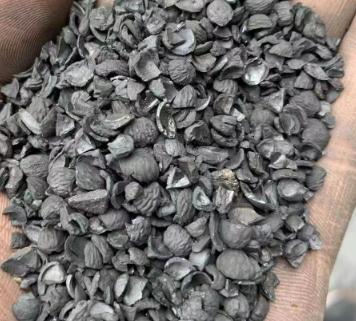
1.2 Three Major Market Issues (Directly Impact Production)
Low-cost apricot, peach, or jujube shell carbon sold as coconut shell carbon
Problems:
• Poor pore structure
• Low adsorption capacity
• Weak mechanical strength
► Gold recovery rate can drop 10–30%
(2. Refurbished Carbon
Used carbon collected from mines, cleaned, dried, and resold
Problems:
• Blocked pores
• Reduced strength
• High ash content
♦ Leads to equipment blockage and production loss
(3. Adulteration
Mixing coconut shell carbon with coal-based or low-grade carbon
Problems:
• Fake specifications
• Severe attrition during use
• Increased consumption cost
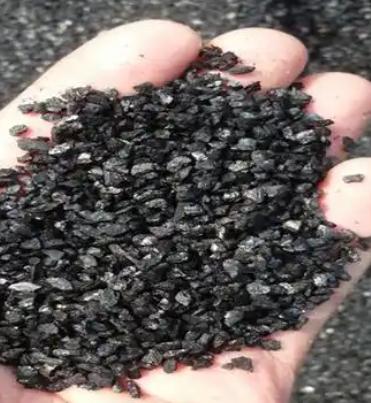
2. Authenticity Identification: 5 Simple Checks On-Site
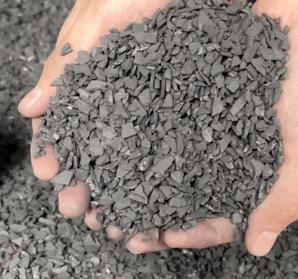
✅ Genuine Coconut Shell Carbon
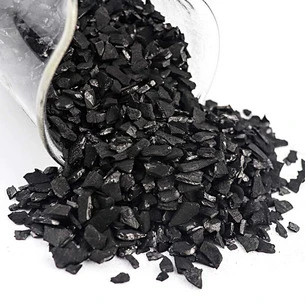
• Black irregular particles
• Natural shell texture visible
• Dense structure with smooth fracture surface
• Clear pore structure
• No oily shine, low dust
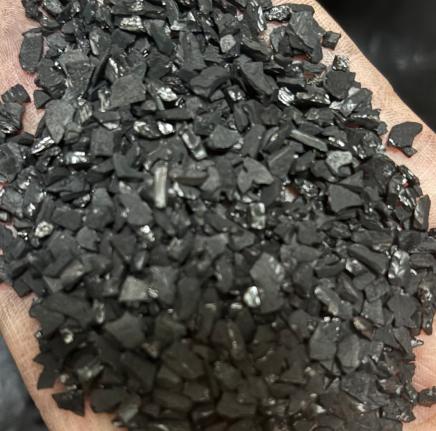
❌ Fruit Shell Carbon
• More rounded particles
• Lighter weight
• Rough texture
• Loose internal structure
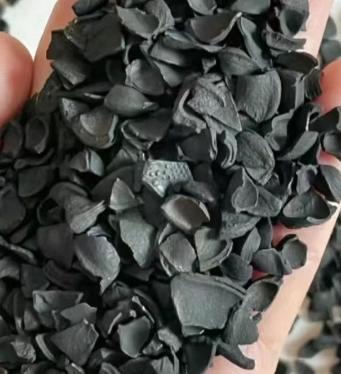
❌ Refurbished Carbon
• Greyish color
• Dirt or oxidation marks
• Broken particles
• Strong odor and excessive dust
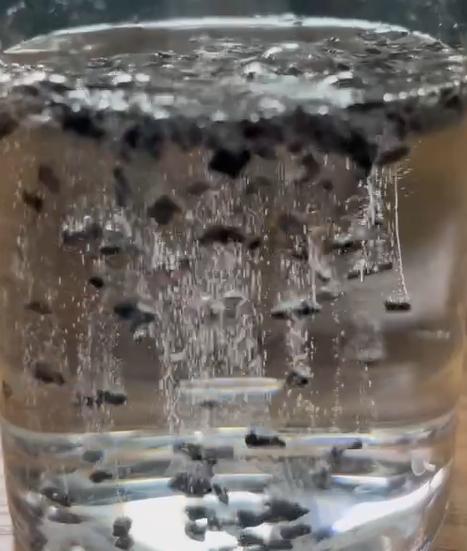
2.2 Water Test (30 Seconds)
Place carbon in clean water:
• Genuine carbon: releases dense, continuous bubbles for 1–3 minutes
• Fake carbon: few bubbles, quickly disappear
► More developed pores = stronger gas release
2.3 Strength Test (Critical for Metallurgy)
Rub or press the carbon:
• Genuine: hard, minimal dust
• Fake: easily crushed, heavy dust
► Metallurgical requirement: Hardness ≥ 95%
Low hardness causes column blockage and carbon loss
2.4 Ash Test (Simple Burning Method)
After complete combustion:
• Genuine: white or light grey ash, minimal residue
• Fake: dark or yellow ash, heavy residue
►Metallurgical requirement: Ash ≤ 3%
High ash contaminates gold leaching solution
2.5 Laboratory Parameters (Mandatory)
|
Parameter |
Genuine Coconut Carbon |
Inferior Carbon |
|
Iodine Value |
≥1050 mg/g |
≤850 mg/g |
|
Hardness |
≥95% |
≤85% |
|
Bulk Density |
0.45–0.55 g/cm³ |
Abnormal |
|
Moisture |
≤5% |
High (water added) |
|
Particle Size |
6–12 mesh |
Irregular |
3. Supplier Selection: 6 Rules to Avoid Risk
• Business license
• Production capability proof
• Metallurgical carbon test reports
• Export documentation
• Third-party reports
• Prefer suppliers with 3+ years experience
• Proven mining project references
► Avoid “one carbon fits all” traders
• Support factory inspection
• Accept third-party testing (SGS, etc.)
► Refuse suppliers who demand full payment without inspection
For metallurgical applications, stable quality and real coconut shell material are critical.
Xingnuo activated carbon is produced from 100% coconut shell, with strict control on hardness, ash, and adsorption performance, ensuring reliable gold recovery results.
• Secure raw material sourcing
• Stable production capacity
• Ability to sign long-term contracts
► Beware of frequent price changes and supply interruptions
• Quality guarantee and replacement policy
• Technical support
• Regeneration solutions
► If the price is 20% below market, it is almost certainly fake
Choose based on test data, not price alone
Clearly define:
• Iodine value
• Hardness
• Ash
• Moisture
• Particle size
• Raw material (coconut shell)
• Both parties seal and sign samples
• Compare with delivered goods
• Third-party inspection for every shipment
• Reject and claim compensation for non-compliance
Genuine coconut shell carbon:
• Natural texture
• Strong bubbling in water
• High strength
• White ash after burning
• Meets all specifications
Fake products:
• Irregular particles
• Weak bubbling
• Easily crushed
• Dark ash
• Low price with no guarantee
► Always choose qualified, inspectable, and specialized metallurgical suppliers
If you are sourcing metallurgical activated carbon, feel free to contact us for samples, technical data, and customized solutions.
Why Choose us?
• Real coconut shell raw material
• Stable supply capacity
• Third-party test support
• Experience in gold recovery projects
1. How can I identify real coconut shell activated carbon?
To identify genuine coconut shell carbon, you can check the appearance, perform a water test, and verify laboratory data.
High-quality carbon used in gold recovery applications typically has a dense structure, strong adsorption capacity, and high hardness.
2. What is the best carbon for gold recovery in CIP/CIL systems?
For CIP/CIL systems, coconut shell based carbon is widely considered the best option due to its high hardness, developed micropores, and stable adsorption performance.
3. Why is coconut shell carbon preferred in gold adsorption?
Compared to coal-based or wood-based carbon, coconut shell carbon offers better strength and pore structure, making it more suitable for gold adsorption processes.
4. Does iodine value determine carbon performance in mining applications?
Iodine value reflects adsorption capacity, but in mining applications, hardness and pore distribution are equally important for stable performance.
5. What are the typical specifications for metallurgical activated carbon?
Standard specifications for metallurgical carbon include:
• Iodine value: ≥1050 mg/g
• Hardness: ≥95%
• Ash content: ≤3%
• Moisture: ≤5%
• Particle size: 6–12 mesh
6. How can I avoid low-quality or fake carbon products?
To avoid low-quality carbon, always request third-party testing, check samples, and work with experienced suppliers in the mining industry.
7. Why is hardness important for CIP/CIL carbon?
In CIP/CIL systems, carbon particles are constantly moving. Low hardness materials can break easily, causing fines, equipment blockage, and increased consumption.
8. Can carbon used in gold recovery be regenerated?
Yes, carbon used in gold adsorption can be regenerated through thermal processes. However, improper regeneration can damage pore structure and reduce efficiency.
9. How to choose a reliable activated carbon supplier?
A reliable supplier should offer stable quality, consistent supply, and support for testing and technical guidance in mining applications.
10. Do you supply carbon for gold recovery projects?
Yes, we provide coconut shell based carbon for gold recovery, with stable performance and support for testing and application guidance.
Related Products
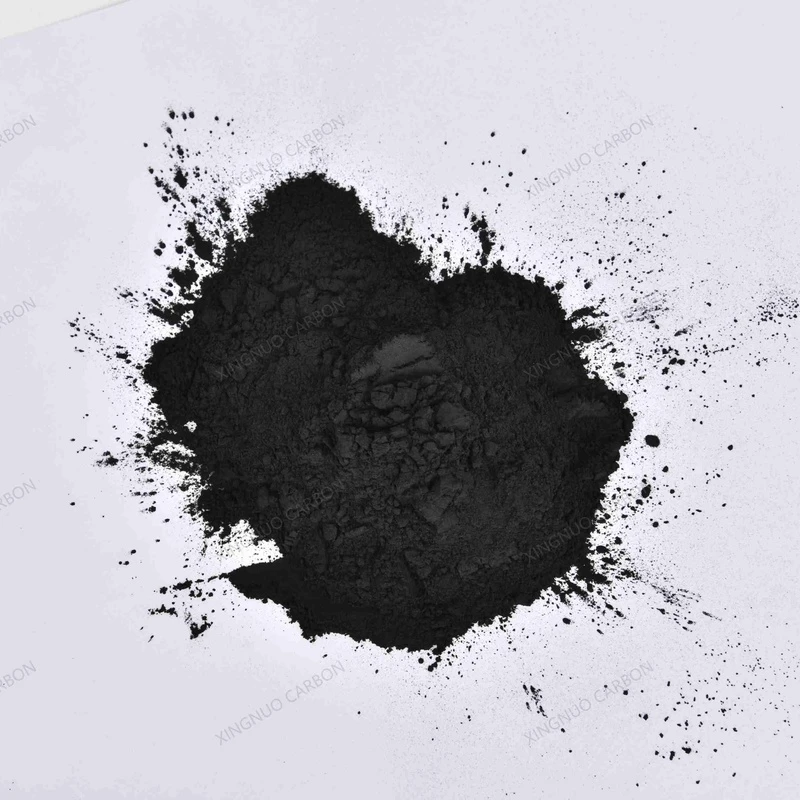
Size: 100–325 mesh (customizable)
Used for: Wastewater treatment, decolorization, waste incineration
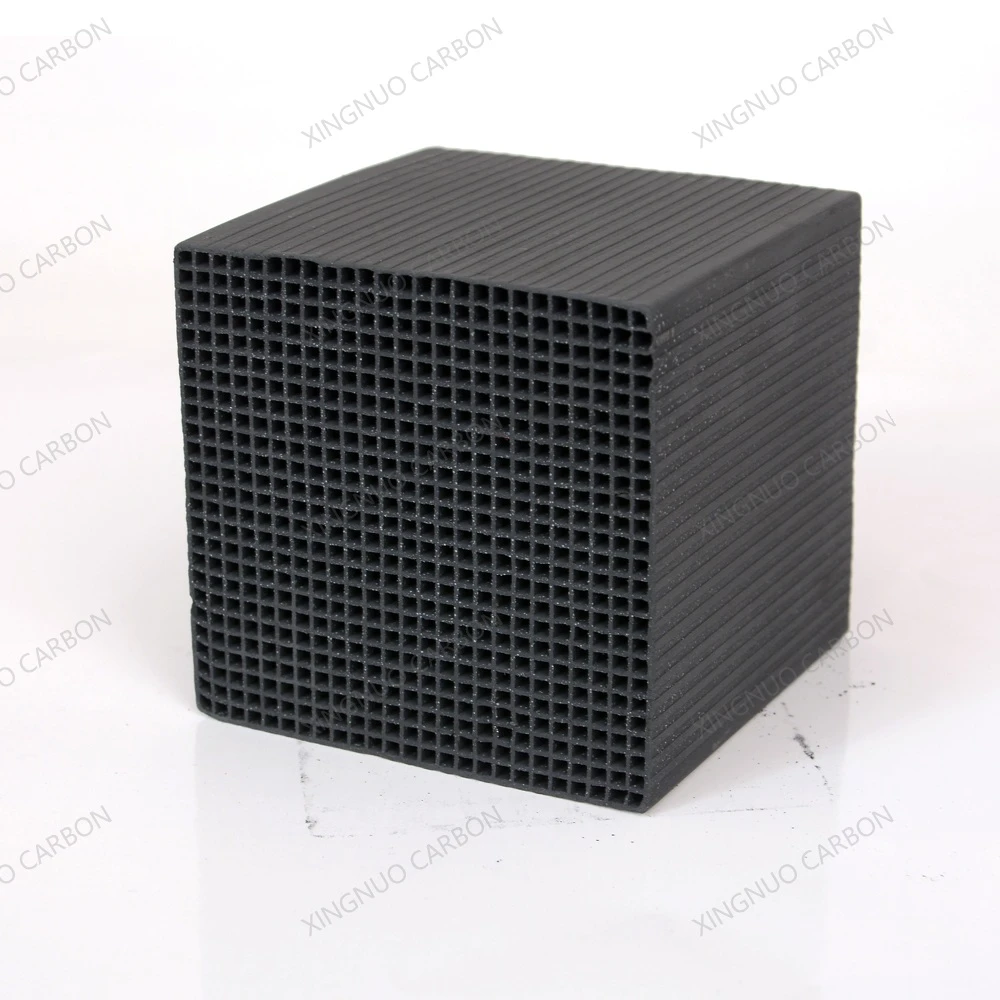
Size: 100×100×100 mm, 100*100*50mm,
Used for: VOC removal, exhaust gas purification, spray booths
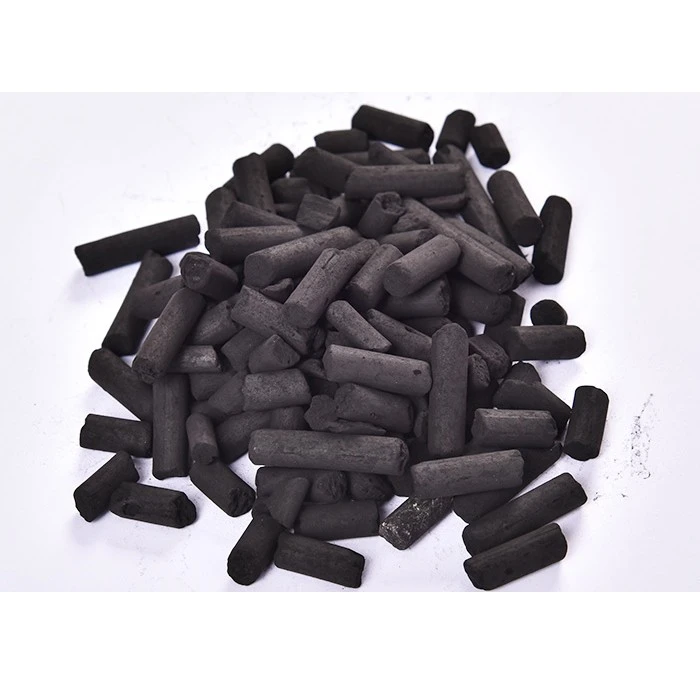
Sizes: 1.5 mm, 2 mm, 3.0 mm, 4.0 mm, 6.0 mm
Used for: Gas purification, solvent recovery, biogas desulfurization
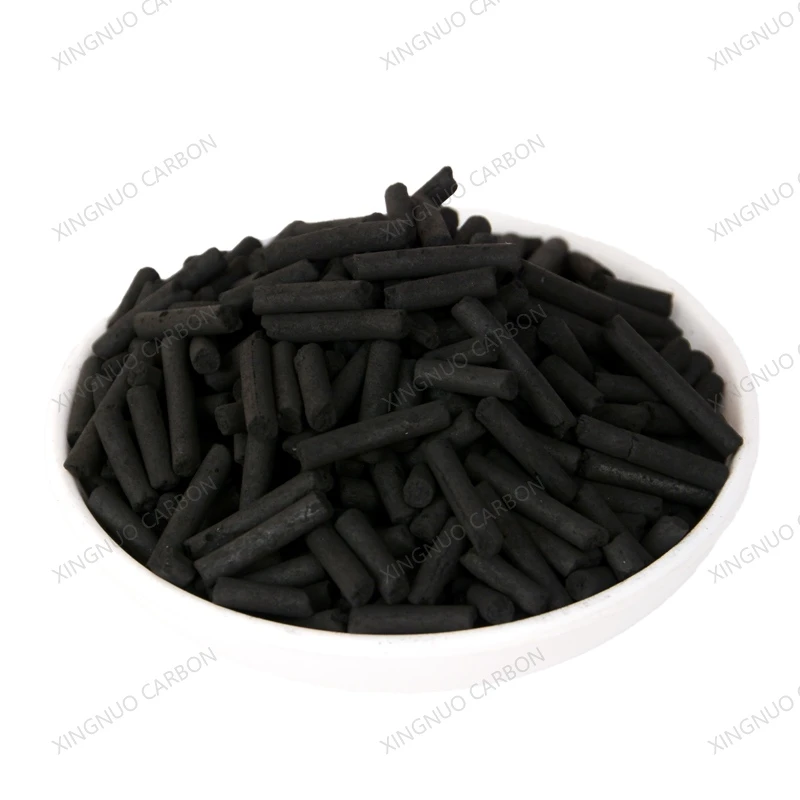
Size: 1.5 mm, 3.0 mm, 4.0 mm; 4×8, 8×30 mesh
Used for: H2S, acid gas, ammonia, and mercury removal
Coal-Based Tar Columnar Activated Carbon
Sizes: 1.5 mm, 2 mm, 3 mm, 4 mm, 6 mm, 8 mm, and customized sizes
Used for: Industrial waste gas treatment, solvent recovery, mercury removal, desulfurization and denitrification, gas purification
Size: 100–325 mesh (customizable)
Used for: Wastewater treatment, decolorization, waste incineration
Size: 4×8 – 12×40 mesh (GAC); 1.5 – 4.0 mm (Pellets); 200 – 325 mesh (PAC)
Used for: Industrial Gas Purification, VOC Adsorption, Wastewater Treatment, Solvent Recovery, Biogas Desulfurization, PSA Nitrogen Deoxygenation, Flue Gas Treatment
Coconut Shell Granular Activated Carbon
Size: 4-8, 6×12, 8×16, 8×30, 12×40, 30×60, 100, 200, 325 mesh (customized size available)
Used for: Drinking water and industrial water treatment, wastewater treatment, gold recovery (CIP/CIL/CIC), air purification, food and beverage decolorization, pharmaceutical purification.