+86 199 4927 3927




+86 199 4927 3927


+86 199 4927 3927
The density of activated carbon
Nov. 06, 2026
Activated carbon density refers to the mass of activated carbon per unit volume. Activated carbon, also known as activated charcoal, is a porous form of carbon with a large surface area. Its density can vary depending on factors such as the type of raw material used, the activation process, and the specific application.
The density of activated carbon is typically expressed in units such as grams per cubic centimeter (g/cm³) or kilograms per cubic meter (kg/m³). Density can influence the performance of activated carbon in various applications, including adsorption processes in water treatment, air purification, and other industrial processes.
Activated carbon density, or activated charcoal density as some call it, is all about filling a filter or filling a container. This means that the density of a product is important to understand, and activated carbon is no different from any other material in this respect.
Density is an important characteristic of powdered (PAC), extruded (EAC) and granular activated carbon (GAC). For powdered activated carbon it is important to know the density, for example for volumetric dosing in water purification. For extruded and granular activated carbon it is important to know the density when filling a filter with carbon, for example for contaminant removal from biogas (gas purification). To understand the density of carbon a little better, we will briefly discuss the following densities:
The apparent density, sometimes called the bulk density or volumetric density, is defined as the mass of many particles of the activated carbon divided by the total volume they occupy. The total volume includes particle volume, inter-particle void volume, and internal pore volume.
If not tested in the same way, this density can vary greatly. It is therefore important that when the density is compared with other activated carbons, the comparison is made according to a standard such as ASTM D 2854-09 (2019). For powders it is also often stated whether the value is freely settled (poured) density or tapped density, where tapped density refers to the bulk density of the powder after a specified compaction process, usually involving vibration of the container.
The backwashed and drained density of activated carbon (GAC or EAC) is the parameter often used for sizing adsorption equipment and for determining the weight of carbon required for liquid phase applications such as potable water purification. The backwashed and drained density is lower than the apparent density because the space between the activated carbon particles increases during the backwashing process.
As a reference point, the apparent density of activated carbon is typically in the range of 300 to 500 kg/m³, although values can fall outside this range depending on the raw materials used or the activation level of the product.
This is the density of the activated carbon in the reactor (adsorber, filter or container). It is often slightly lower than the apparent density because there are no specific conditions that let the carbon bed settle, which results in slightly more space between the particles compared with the way apparent density is measured.
We expect that this additional understanding of density can support you in your product selection, in comparing carbon with carbon in terms of density, and in knowing the right amount of weight you need to fill your container or filter.
Here is a look at the packing densities of several commonly used activated carbons:
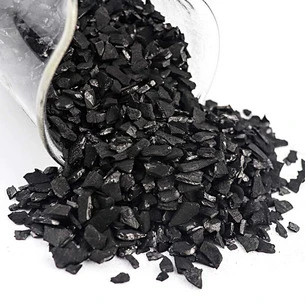
Coconut shell activated carbon is in the form of black amorphous granules and has the advantages of developed pores, good adsorption performance, high strength, easy regeneration, and economy and durability. The standard bulk density of coconut shell activated carbon is between 0.5 and 0.55 g/cm³. When purchasing one cubic meter of coconut shell activated carbon, its weight should be between 500 and 550 kg.
Nutshell activated carbon is also a black amorphous granular material. It has the advantages of good wear resistance, developed voids, high adsorption performance, high strength, easy regeneration, and economy and durability. The standard bulk density of nutshell activated carbon is 0.45 to 0.65 g/cm³, so one cubic meter of nutshell activated carbon weighs 450 to 650 kg.
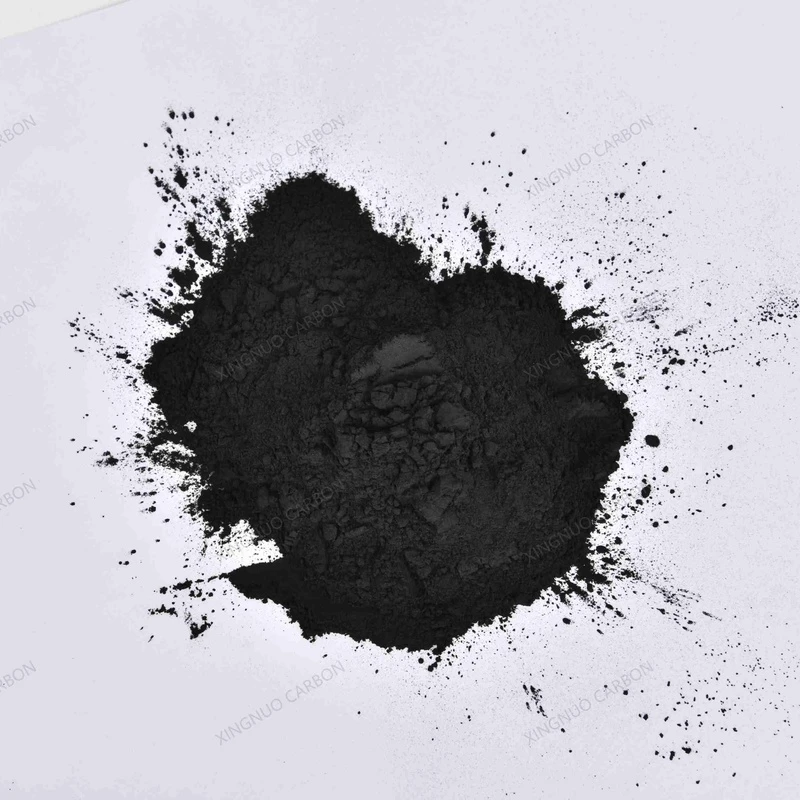
Powdered activated carbon is a black powder with good adsorption performance, high mechanical strength, easy repeated regeneration and low cost. The standard bulk density of powdered activated carbon is 0.38 to 0.45 g/cm³, so one cubic meter of powdered activated carbon weighs 380 to 450 kg.
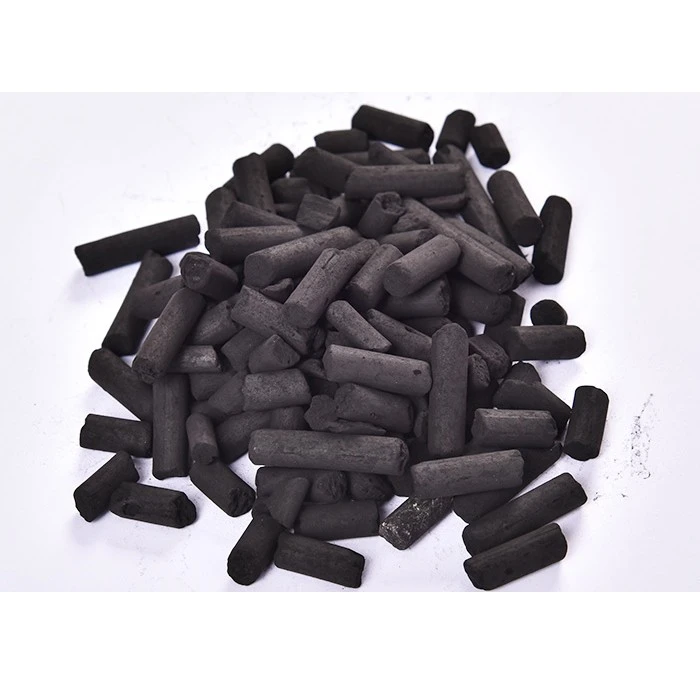
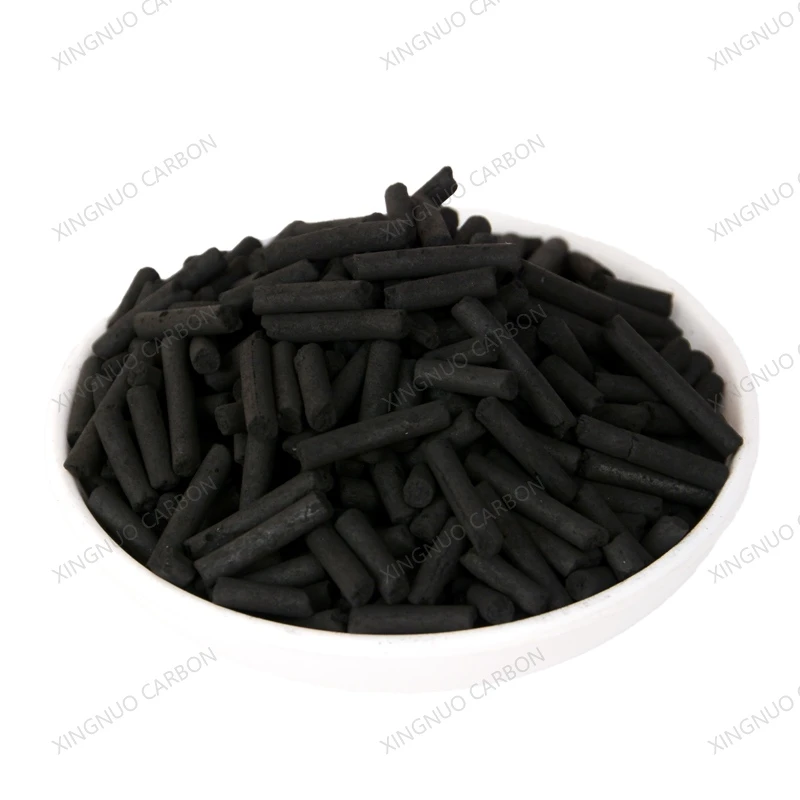
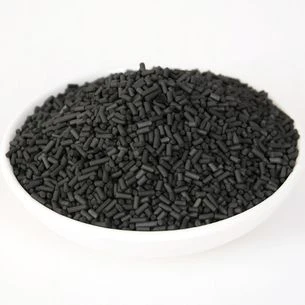
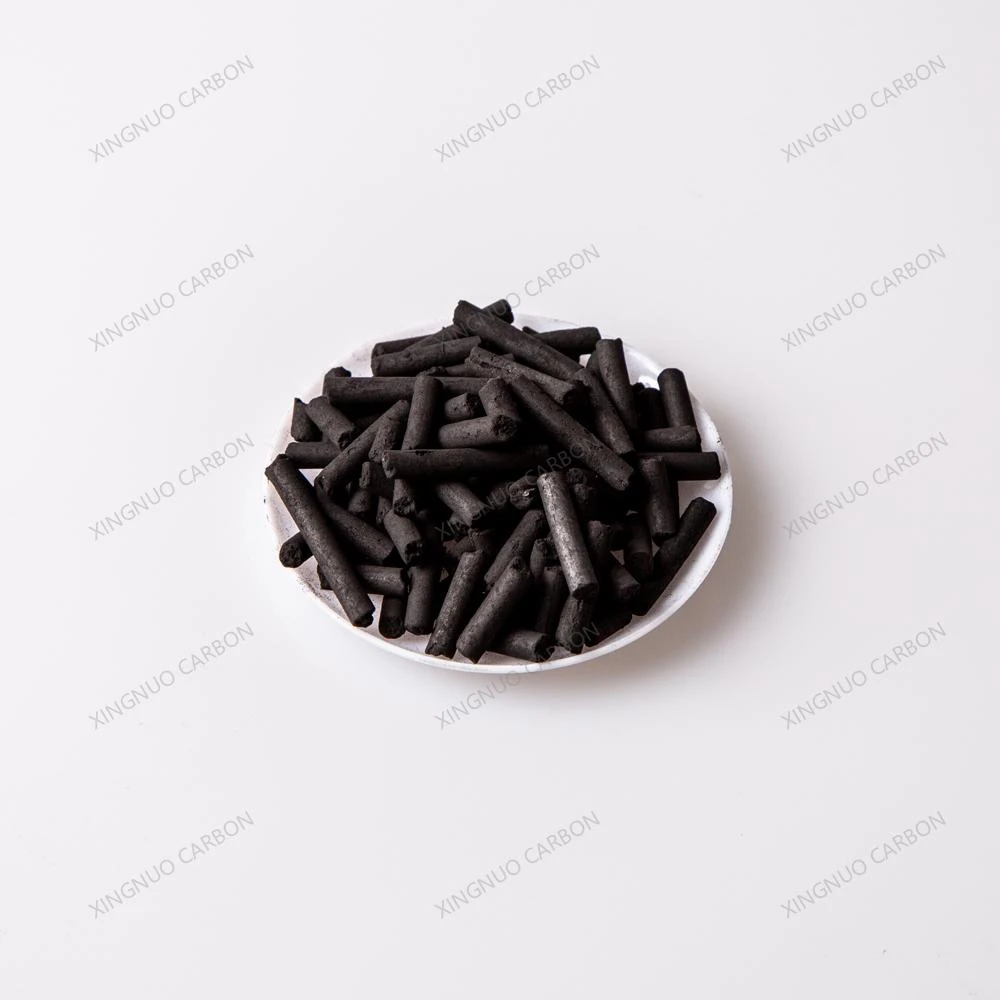
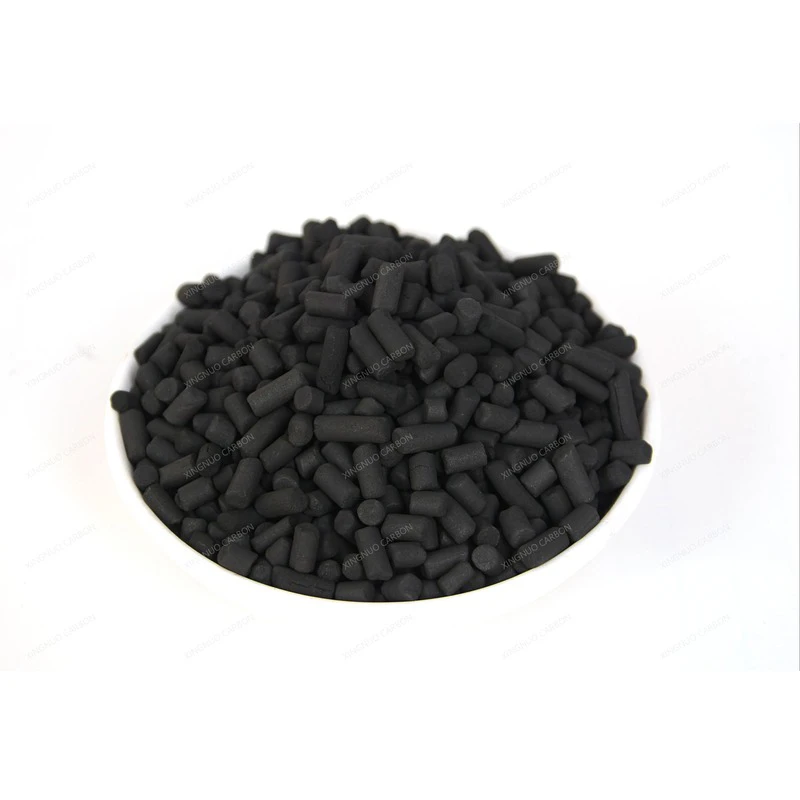
Coal-based activated carbon is a black cylindrical product; amorphous coal-based granular activated carbon has the advantages of high strength, developed pores, a large specific surface area and especially a large micropore volume. Coal-based activated carbon has a higher specific gravity, generally 0.6 to 0.7 g/cm³, so one cubic meter weighs 600 to 700 kg.
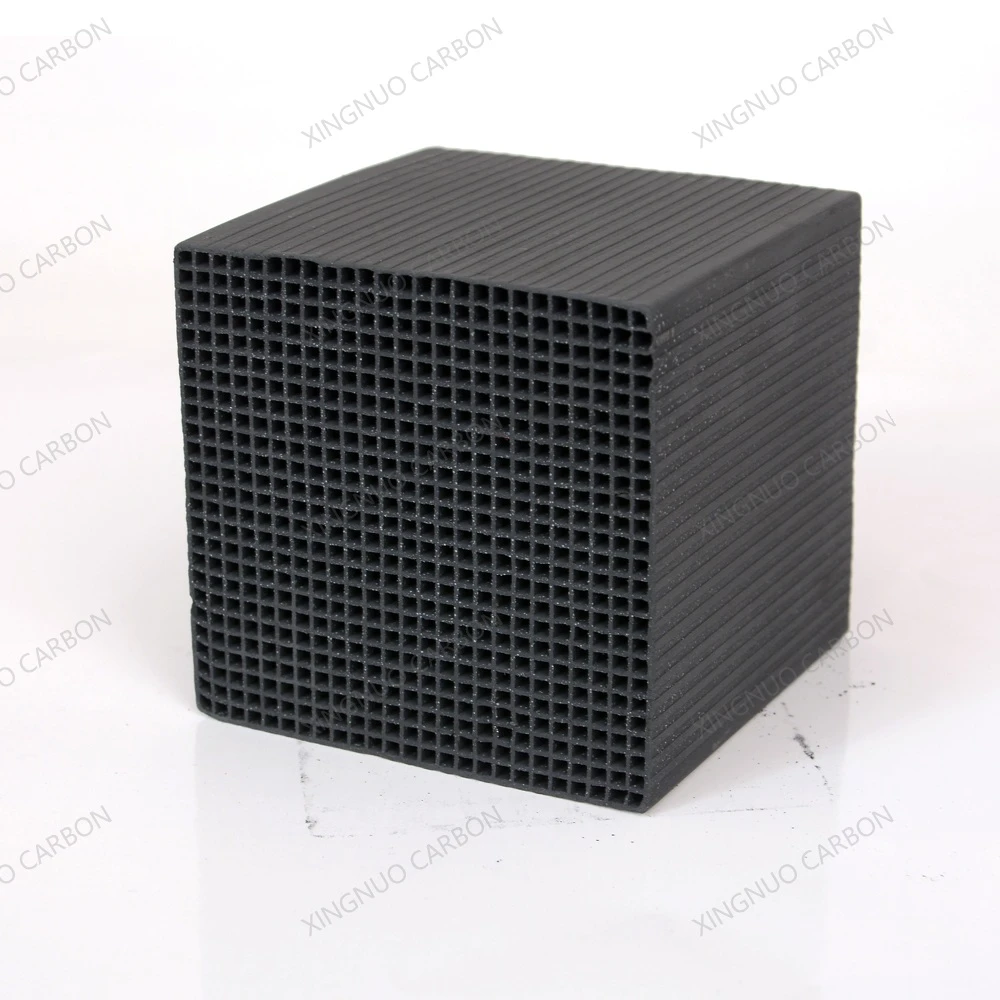
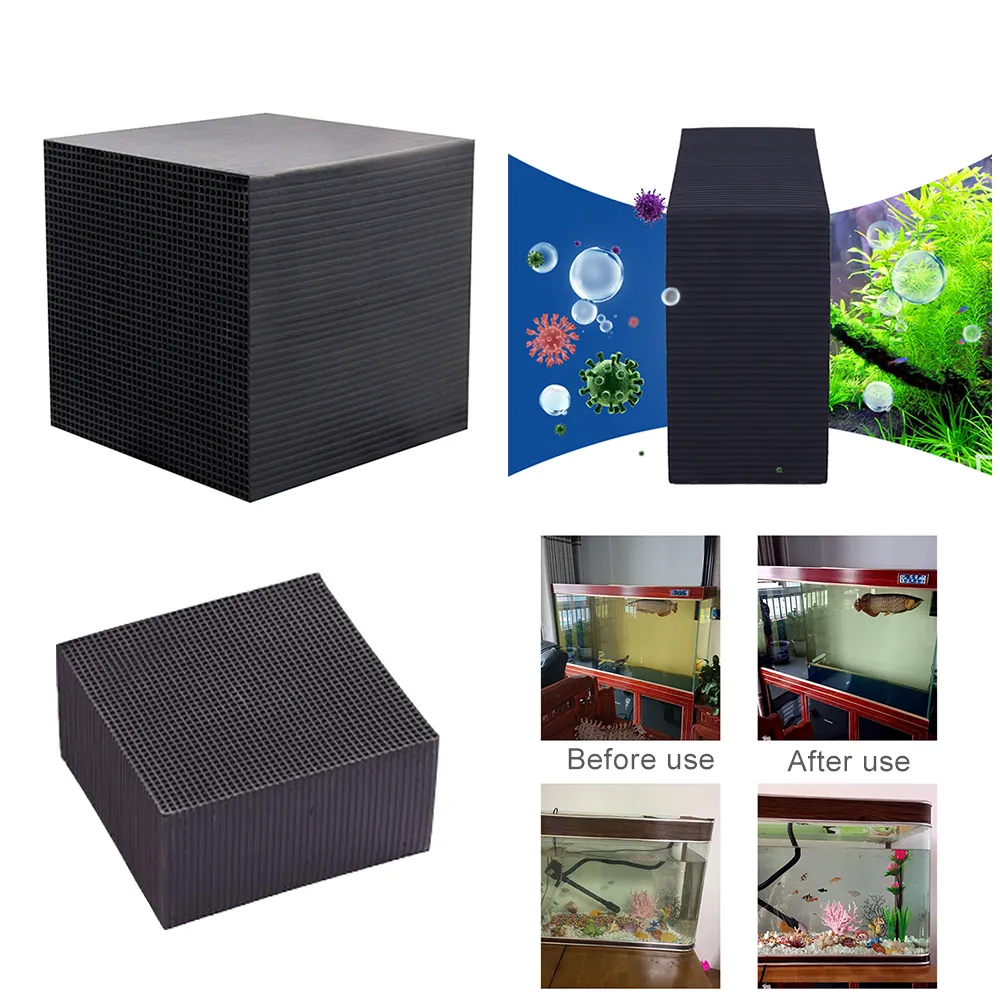
Honeycomb activated carbon has a large specific surface area, low through-hole resistance, many and well developed micropores, high adsorption capacity and a long service life. The shape specifications of honeycomb activated carbon vary, so there is no single value; the density of honeycomb activated carbon is generally between 0.45 and 0.65 g/cm³, and one cubic meter weighs 450 to 650 kg.
Related Products
Size: 100–325 mesh (customizable)
Used for: Wastewater treatment, decolorization, waste incineration
Size: 100×100×100 mm, 100*100*50mm,
Used for: VOC removal, exhaust gas purification, spray booths
Sizes: 1.5 mm, 2 mm, 3.0 mm, 4.0 mm, 6.0 mm
Used for: Gas purification, solvent recovery, biogas desulfurization
Size: 1.5 mm, 3.0 mm, 4.0 mm; 4×8, 8×30 mesh
Used for: H2S, acid gas, ammonia, and mercury removal
Coal-Based Tar Columnar Activated Carbon
Sizes: 1.5 mm, 2 mm, 3 mm, 4 mm, 6 mm, 8 mm, and customized sizes
Used for: Industrial waste gas treatment, solvent recovery, mercury removal, desulfurization and denitrification, gas purification
Size: 100–325 mesh (customizable)
Used for: Wastewater treatment, decolorization, waste incineration
Size: 4×8 – 12×40 mesh (GAC); 1.5 – 4.0 mm (Pellets); 200 – 325 mesh (PAC)
Used for: Industrial Gas Purification, VOC Adsorption, Wastewater Treatment, Solvent Recovery, Biogas Desulfurization, PSA Nitrogen Deoxygenation, Flue Gas Treatment
Coconut Shell Granular Activated Carbon
Size: 4-8, 6×12, 8×16, 8×30, 12×40, 30×60, 100, 200, 325 mesh (customized size available)
Used for: Drinking water and industrial water treatment, wastewater treatment, gold recovery (CIP/CIL/CIC), air purification, food and beverage decolorization, pharmaceutical purification.