+86 199 4927 3927




+86 199 4927 3927


+86 199 4927 3927
What Is the Best Activated Carbon for Gold Recovery?
Nov. 09, 2026
CIP and CIL processes rely on carbon to selectively adsorb the gold-cyanide complex [Au(CN)₂]⁻ from leach slurry. Unlike many industrial adsorption applications, gold adsorption is highly selective, depends heavily on pore structure, and is extremely sensitive to:
micro-pore distribution
hardness and attrition resistance
impurities and ash content
particle size and uniformity
regeneration performance
In short: bad carbon = direct gold loss. Good carbon pays for itself many times over.
Hydrometallurgical engineers know the rule: “The mine produces gold, but carbon decides how much you keep.”
Gold is dissolved in leaching tanks as a gold–cyanide complex. Activated carbon—if its pore structure is correct—adsorbs that complex through:
Gold cyanide ions are small. They migrate into micro-pores (typically <2 nm). If the carbon has high micro-pore volume, adsorption is fast and deep.
Carbon surfaces contain oxygen-bearing functional groups that support the adsorption of gold cyanide complexes.
This is the “secret sauce.” Coconut shell carbon has micro-pores that match gold cyanide ions almost perfectly, which is why adsorption kinetics are so good.
A simple analogy
Imagine micro-pores as perfectly shaped lockers.
Gold cyanide molecules are the items you want to store.
If the lockers are:
too big → storage is inefficient
too small → items don’t fit
just right → maximum loading
Coconut shell carbon has the “just right” lockers.
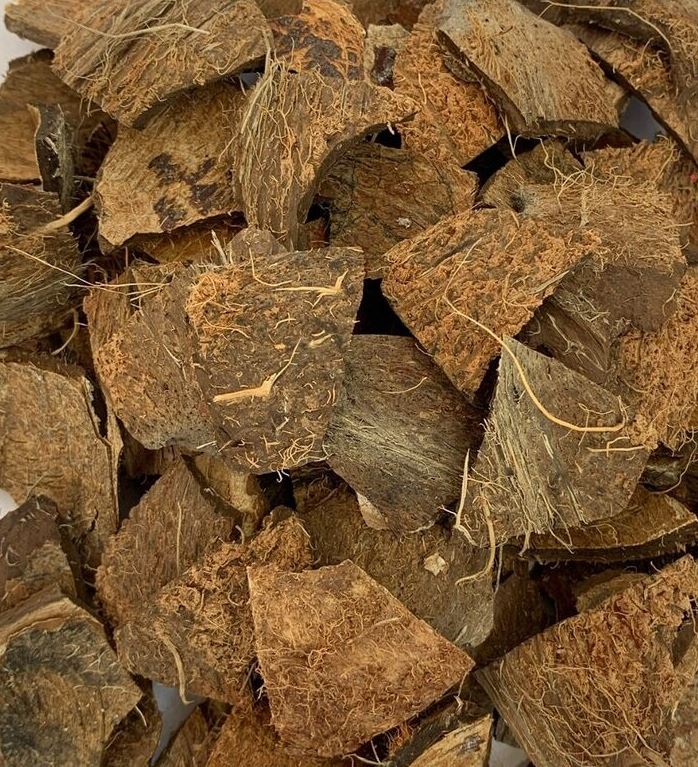
Understanding the workflow helps explain why carbon quality matters.
Activated carbon is mixed with the leach slurry. Gold cyanide complexes move from the solution phase into carbon micro-pores.
Faster adsorption = fewer tanks needed = higher recovery.
Loaded carbon (with adsorbed gold) is separated using screens.
Any carbon fines generated due to poor hardness become:
unrecoverable carbon losses
gold losses, because fine carbon still contains gold
Higher carbon consumption
Activated carbon is heated and chemically treated to release the stored gold.
Gold is plated onto cathodes and refined.
Used carbon is reactivated in a furnace at 650–750°C.
High-quality carbon retains its structure; low-quality carbon collapses, loses activity, and consumes faster.
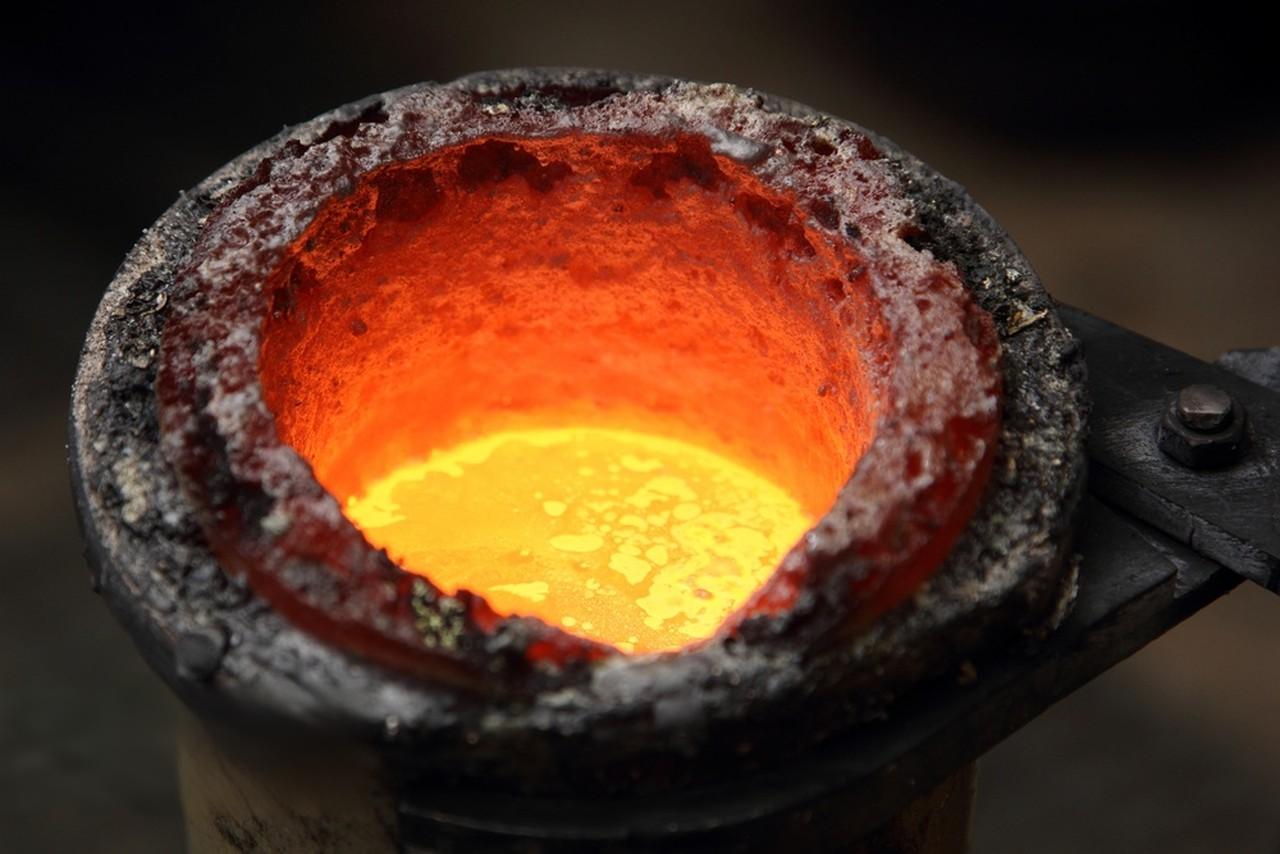
Not all activated carbon is suitable for gold plants.
The carbon used in gas purification or water treatment is far from adequate. Gold recovery requires a specific engineering profile.
Here are the key indicators:
This is the most important factor affecting gold loading.
Gold cyanide ions are small → only micro-pores can adsorb them effectively.
Coconut shell carbon naturally has:
high micro-pore content
narrow pore distribution
fast adsorption kinetics
Coal-based carbon has more mesopores → inferior for gold. Wood-based carbon is even less suitable.
Iodine value correlates with surface area and micro-porosity.
For gold recovery, typical iodine values are:
1100–1200 mg/g (standard)
>1200 mg/g (premium grade)
But remember: Iodine value ≠ gold-loading capacity
It’s a reference indicator, not the actual adsorption performance.
This directly affects carbon consumption and gold losses.
Poor hardness leads to:
carbon breakage, carbon fines passing through screens, gold losses, higher carbon consumption, and higher operating cost
A good attrition value is typically ≤2–3%.
Coconut shell carbon excels here due to its dense structure.
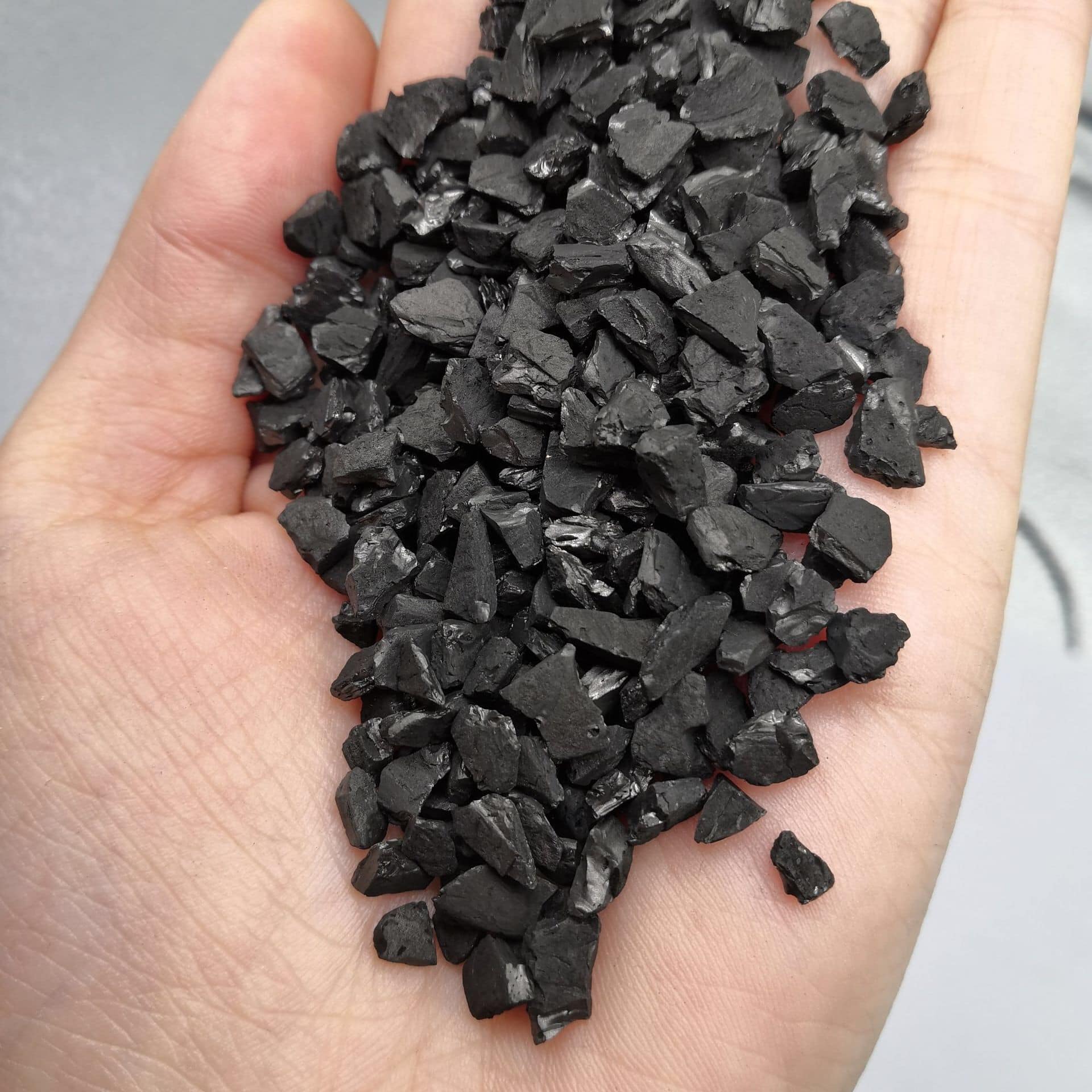
Mesh size affects: adsorption speed, screening efficiency, handling losses
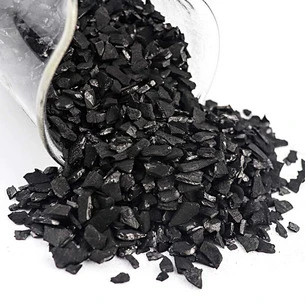
6×12 mesh: stronger, lower losses
8×16 mesh: faster adsorption, but more fragile
Most CIP/CIL plants use 6×12 because it’s safer and more durable.
Impurities like Fe, Ca, or alkali metals can poison the carbon surface, reducing the adsorption rate and regeneration efficiency.
High-quality coconut shell carbon naturally has low ash content.
| Property | Coconut Shell | Coal-Based | Wood-Based |
| Micro-pore content | Very high | Medium | Low |
| Adsorption speed | Fast | Medium | Slow |
| Hardness | Excellent | Medium | Poor |
| Attrition | Low | Medium | High |
| Carbon fines | Very low | Medium | High |
| Regeneration performance | Stable | Medium | Weak |
| Cost effectiveness | Best overall | Acceptable | Poor |
Across global gold mines—from Africa to South America, from Southeast Asia to Australia—coconut shell activated carbon is the industry standard.
No serious CIP/CIL plant uses wood-based carbon.
Coal-based carbon is considered “second tier.”
Coconut shell carbon wins every critical category.
Coconut Shell Activated Carbon Is the Best Material for Gold Recovery. Why?
Because it meets every engineering requirement better than alternatives:
✔ Ideal micro-pore structure for gold cyanide adsorption
✔ Fast adsorption kinetics
✔ Low attrition → low carbon loss → low gold loss
✔ Stable regeneration over many cycles
✔ Lower total lifecycle cost
✔ Consistent performance in industrial-scale CIP/CIL circuits
In gold extraction, performance is not negotiable.
Coconut shell carbon is not just “better”—It’s the de facto global standard.
When choosing activated carbon, prioritize the following specifications:
| Material | 100% coconut shell activated carbon |
| Iodine value | ≥1100 mg/g |
| Micro-pore volume | high and well-distributed |
| Hardness | exceptionally high |
| Attrition value | ≤2–3% |
| Particle size | 6×12 mesh (most plants) or 8×16 mesh |
| Ash content | low |
| Metal impurities | minimal |
| Good regeneration stability | minimal pore collapse after reactivation |
This checklist can help engineers avoid underperforming carbon that increases gold losses and operating costs.
Activated carbon determines how much gold a plant keeps—not how much it leaches. With the right carbon, CIP and CIL circuits become faster, cleaner, more stable, and more profitable.
And among all carbon types, high-quality coconut shell activated carbon delivers the best results:
highest adsorption performance
lowest losses
longest lifecycle
lowest total cost
For gold plants aiming to maximize recovery and minimize carbon consumption, the choice is clear: coconut shell activated carbon is the best activated carbon for gold recovery.
Related Products
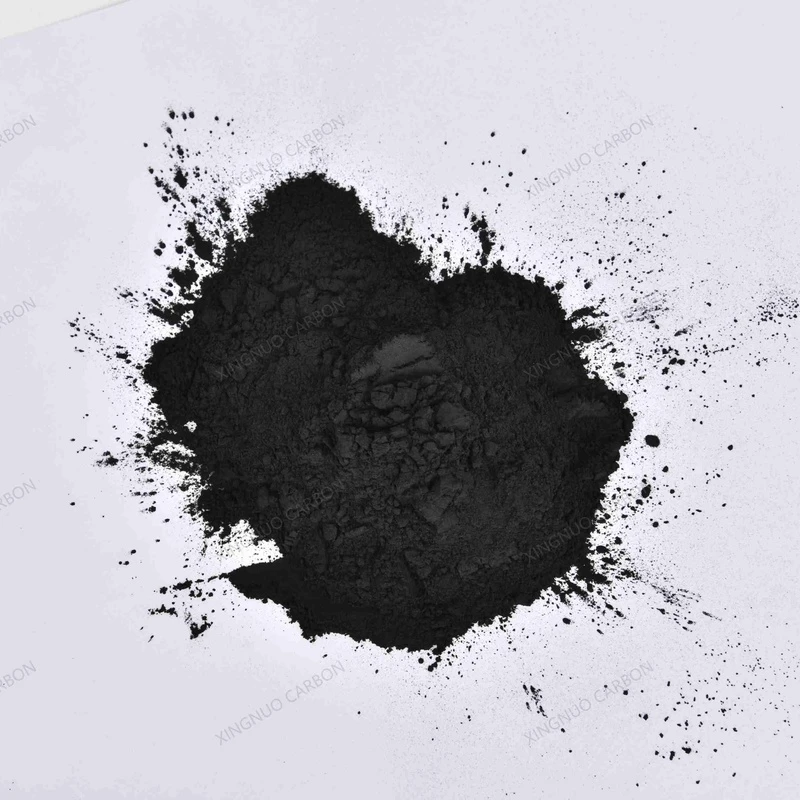
Size: 100–325 mesh (customizable)
Used for: Wastewater treatment, decolorization, waste incineration
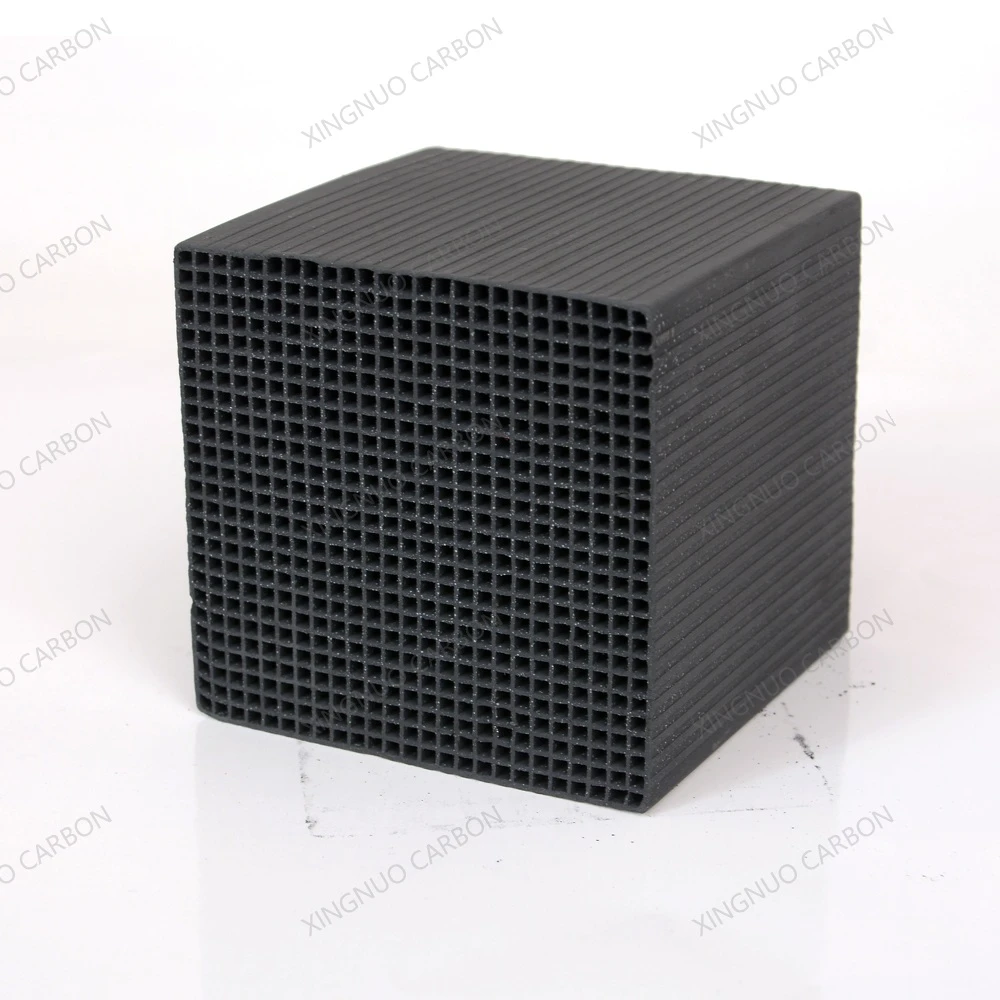
Size: 100×100×100 mm, 100*100*50mm,
Used for: VOC removal, exhaust gas purification, spray booths
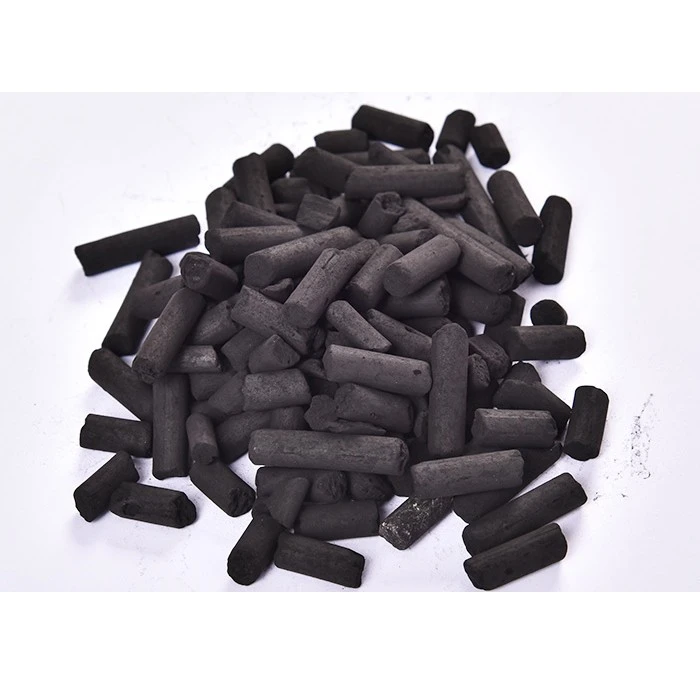
Sizes: 1.5 mm, 2 mm, 3.0 mm, 4.0 mm, 6.0 mm
Used for: Gas purification, solvent recovery, biogas desulfurization
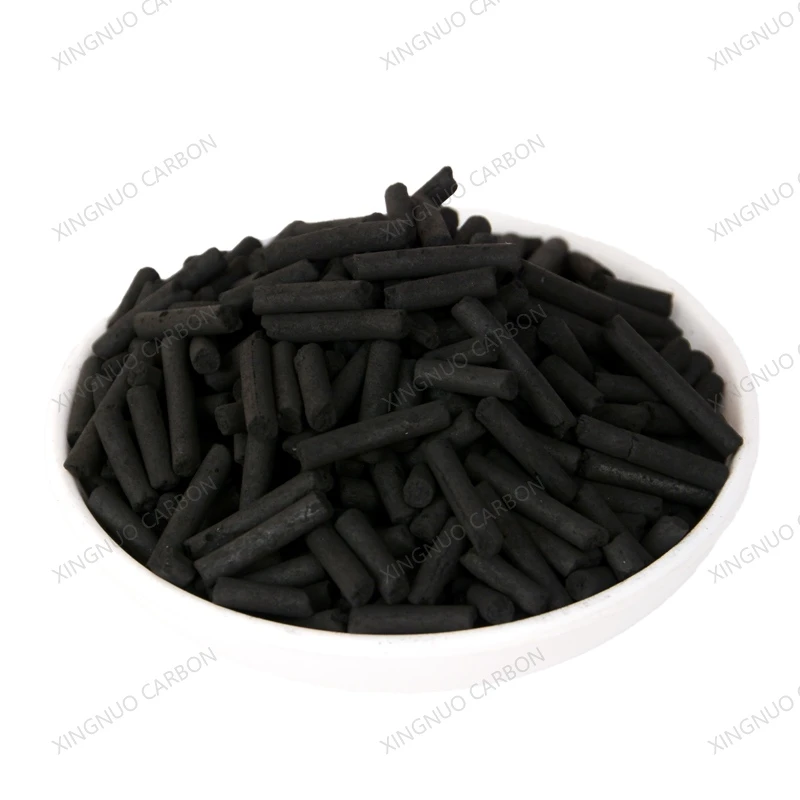
Size: 1.5 mm, 3.0 mm, 4.0 mm; 4×8, 8×30 mesh
Used for: H2S, acid gas, ammonia, and mercury removal
Coal-Based Tar Columnar Activated Carbon
Sizes: 1.5 mm, 2 mm, 3 mm, 4 mm, 6 mm, 8 mm, and customized sizes
Used for: Industrial waste gas treatment, solvent recovery, mercury removal, desulfurization and denitrification, gas purification
Size: 100–325 mesh (customizable)
Used for: Wastewater treatment, decolorization, waste incineration
Size: 4×8 – 12×40 mesh (GAC); 1.5 – 4.0 mm (Pellets); 200 – 325 mesh (PAC)
Used for: Industrial Gas Purification, VOC Adsorption, Wastewater Treatment, Solvent Recovery, Biogas Desulfurization, PSA Nitrogen Deoxygenation, Flue Gas Treatment
Coconut Shell Granular Activated Carbon
Size: 4-8, 6×12, 8×16, 8×30, 12×40, 30×60, 100, 200, 325 mesh (customized size available)
Used for: Drinking water and industrial water treatment, wastewater treatment, gold recovery (CIP/CIL/CIC), air purification, food and beverage decolorization, pharmaceutical purification.