+86 199 4927 3927

+86 199 4927 3927

[email protected]

Home - MANUFACTURE -

Production Capacity

Xinnuo Activated Carbon: Standard Production Process

There are two mainstream manufacturing routes for activated carbon: physical activation (steam activation, widely used for coconut shell and coal-based granular carbon) and chemical activation (phosphoric acid activation, mainly for wood-based powdered carbon). The general process flow: Raw material selection → Pre-treatment → (Forming) → Carbonization → Activation → Cooling & Washing Purification → Drying, Sieving / Milling & Classification → Quality Inspection → Packaging. Activation is the core step that determines adsorption performance, including Iodine Number, Methylene Blue Value and CTC Adsorption Capacity.

Raw Material Selection (Basis of Carbon Performance)

Raw Material Selection (Basis of Carbon Performance)

Three primary feedstocks for our regular grades:

• Coconut shell / nut shell (Coconut shell activated carbon, for gold extraction & water treatment) Coconut shells and walnut shells feature naturally developed micropores, high mechanical strength and low ash content. Almost all are produced by steam physical activation.

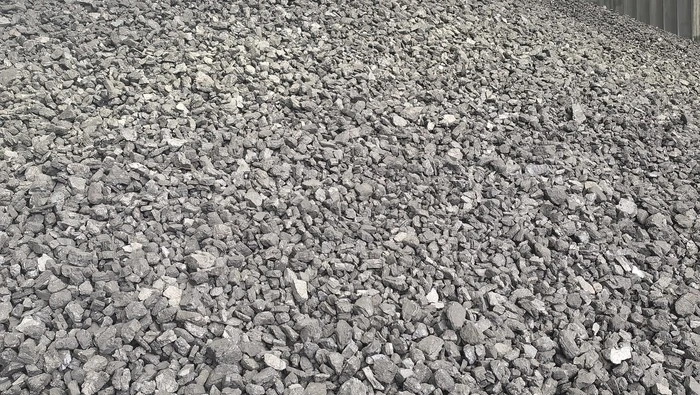
• Coal-based (Anthracite / bituminous coal, for water treatment & solvent recovery, extruded pellet carbon) Balanced pore structure (micropores + mesopores), high hardness. Available in crushed granular form and extruded pellets.

• Wood-based (Sawdust / bamboo chips, powdered carbon for decolorization, vodka & syrup refining) Rich mesopores and macropores. Mostly produced via phosphoric acid chemical activation.

Other special feedstocks: rice husk, petroleum coke, resin, etc.

Raw Material Pre-treatment

Raw Material Pre-treatment

• Cleaning & impurity removal: Remove sand, stones and bark to reduce ash content.

• Crushing & screening: Crush nut shells into uniform particle size; grind coal into fine powder; sieve sawdust to remove oversize chunks.

• Drying: Dry at 120–180℃, control moisture below 15% to avoid unstable temperature control and spattering during carbonization.

• Extra step for coal extruded pellets: Mix coal powder with binder (coal tar / pitch), knead thoroughly, extrude into Φ1.5 / 3.0 / 4.0 mm green pellets, then cure and air-dry.

• Coconut shell granular carbon requires no forming process.

Carbonization (Pyrolysis under Oxygen-limited Atmosphere)

Carbonization (Pyrolysis under Oxygen-limited Atmosphere)

Purpose: Remove moisture, volatile matters (tar, methane, acetic acid etc.) by thermal decomposition, forming a carbon skeleton called carbonized char. At this stage, pores are blocked by tar, so adsorption capacity remains poor.

• Temperature: 400–650℃

• Atmosphere: Oxygen-free or low-oxygen; protected by nitrogen or self-generated pyrolysis flue gas (open flame combustion is forbidden).

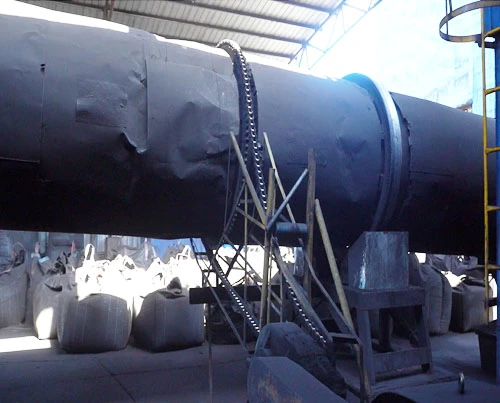
• Equipment: Rotary carbonization kiln, vertical carbonization furnace.

• By-products: Carbonized char + tar & combustible tail gas. Waste gas is recycled and burned for factory heating to cut energy consumption.

Activation — The Most Critical Stage

Activation — The Most Critical Stage

Two activation methods are adopted according to raw materials and final application requirements.

• Steam Physical Activation (for coconut shell & coal granular carbon) At 800–1000℃, superheated steam etches the carbon skeleton to develop micropores and open blocked channels. Products feature high strength and no chemical residue, suitable for gold leaching, drinking water and gas adsorption.

• Phosphoric Acid Chemical Activation (for wood powder decolorizing carbon) Sawdust is pre-impregnated with phosphoric acid, then heated at 420–500℃ to form abundant mesopores. Phosphoric acid is recovered and recycled by counter-current washing. This grade delivers excellent decolorization capacity for liquor, sugar and edible oil.

• Zinc chloride activation is rarely used for large-scale production in China now due to strict environmental regulations.

Cooling & Washing Purification

Cooling & Washing Purification

Hot activated carbon is rapidly cooled under oxygen-isolated conditions to prevent oxidation and burnout.

• Standard grade: Water washing to remove surface dust and soluble salts.

• High-purity grade (food grade, potable water grade, gold carbon): Acid pickling with dilute HCl to reduce iron and ash content, followed by rinsing to neutral.

• Chemically activated carbon: Thorough washing to remove residual phosphoric acid.

• Filter pressing: Dewater carbon slurry to ~40% moisture.

Drying, Sieving, Milling & Classification

Drying, Sieving, Milling & Classification

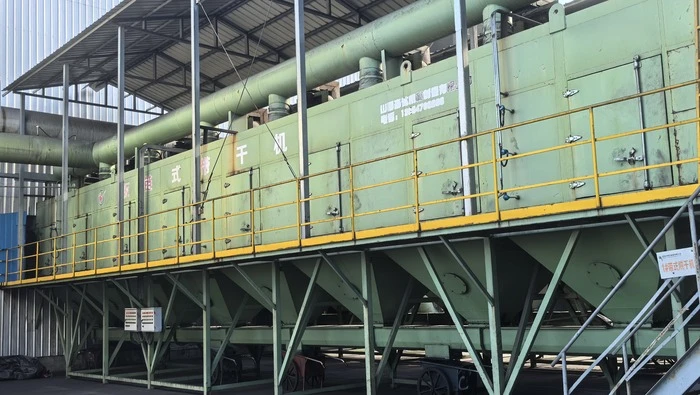
Hot-air drying is carried out at 120–200℃, and final moisture content is adjusted to 5–10% as per customer requirements. After drying, products go through classification processing:

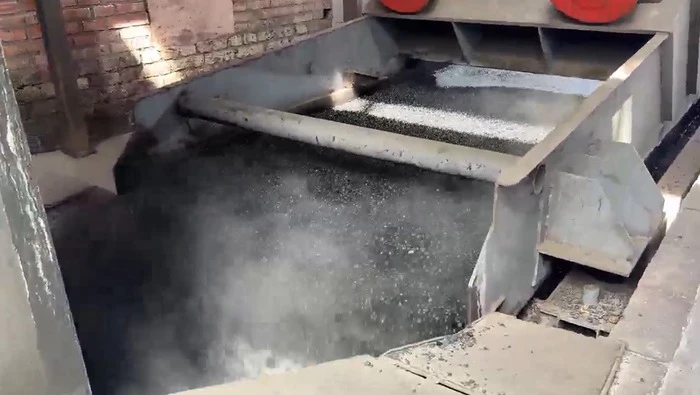
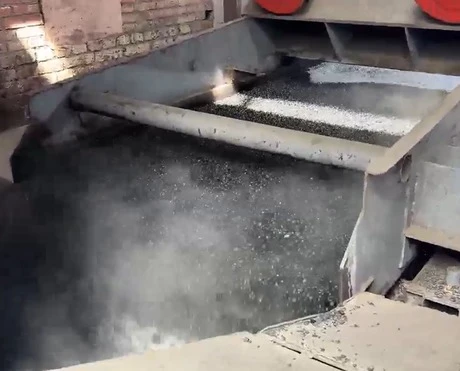
1.Granular carbon (coconut shell crushed carbon, coal crushed carbon): Graded by multi-layer vibrating screens into mesh sizes such as 6×12 mesh, 8×16 mesh, 10×20 mesh. Fines are returned for reprocessing.

2.Coal extruded pellet carbon: Cutting, rounding and deburring.

3.Powder carbon (wood decolorizing carbon): Ground by ball mill to 200 mesh, 325 mesh or other target fineness.

4.Custom modification (on request): Acid / alkali washing, impregnation (silver-loaded, sulfur-loaded, alkali-impregnated carbon for special applications).

Quality Testing & Packaging

Quality Testing & Packaging

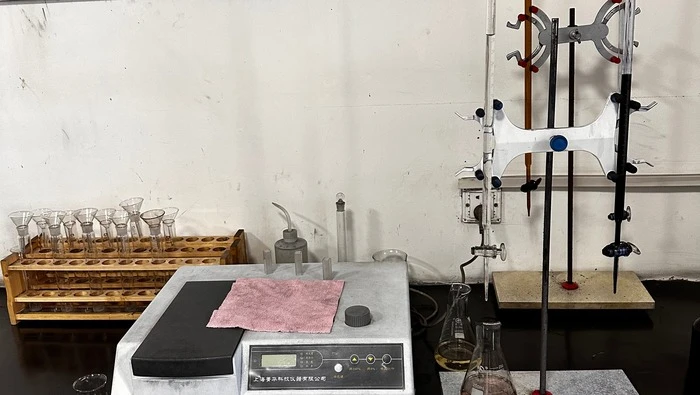
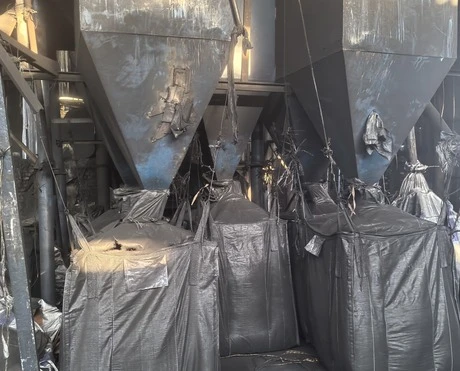
Samples from each batch are tested for moisture, ash content, hardness, Iodine Number, Methylene Blue Value, CTC, pH value, heavy metals and particle size distribution. Qualified products are sealed and packed with moisture-proof packaging, as activated carbon absorbs humidity easily, and moisture will degrade adsorption performance.

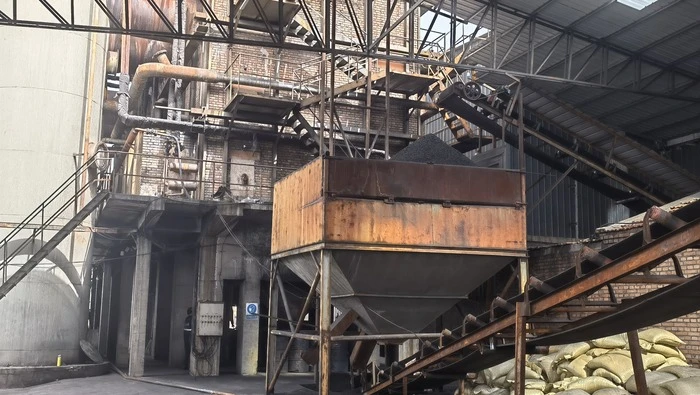
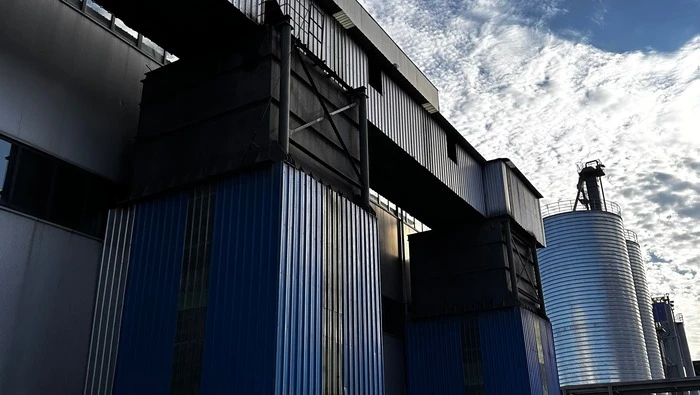
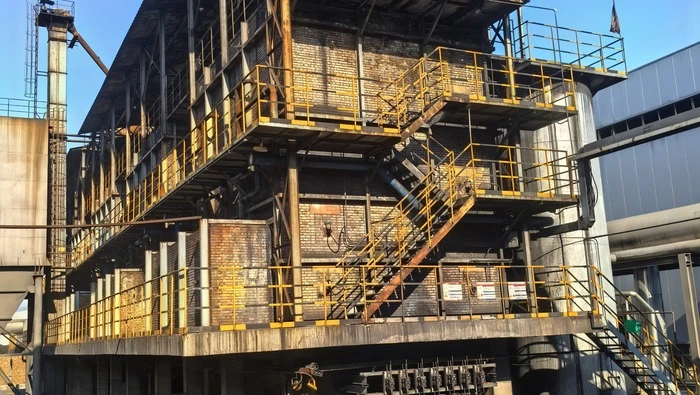
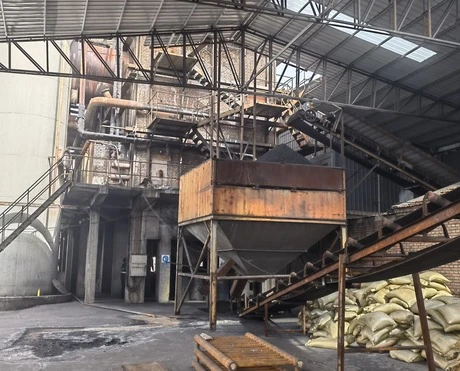
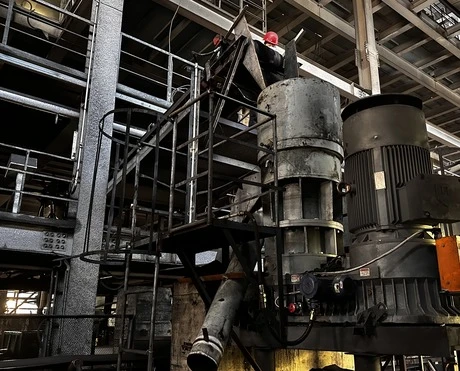
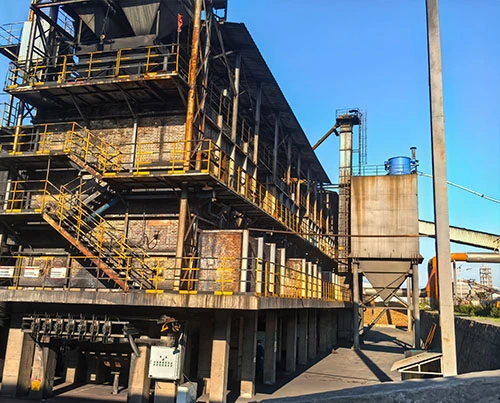
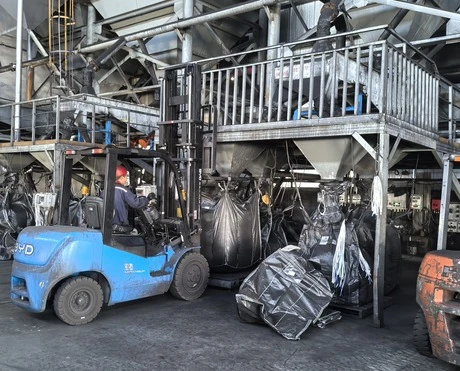
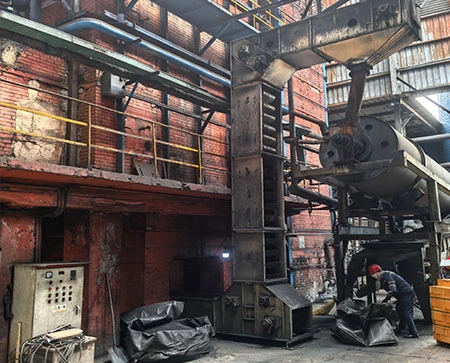
Manufacturing Equipment