+86 199 4927 3927




+86 199 4927 3927


+86 199 4927 3927
Activated Carbon for Solvent Recovery
What problem does it solve?
Many industrial processes use large volumes of organic solvents (toluene, xylene, ethyl acetate, MEK, isopropanol, acetone, etc.). Once evaporated, these solvents become regulated VOC emissions. Traditional abatement methods such as thermal or catalytic oxidation destroy the solvent, creating CO₂ and wasting a valuable raw material.
Activated carbon solvent recovery solves two problems at once:
- Captures 95–99% of the solvent vapors from the exhaust stream, meeting emission limits
- Desorbs and condenses the captured solvent so it can be purified and reused in the process
The result is lower environmental compliance cost, reduced solvent purchase volume, and a fast return on investment — often 1–3 years in high-solvent-use plants.
Where is it used?
|
Industry |
Typical Solvents Recovered |
System Style |
|
Gravure & flexographic printing |
Toluene, ethyl acetate, isopropanol |
Fixed-bed dual adsorbers with steam regeneration |
|
Automotive & industrial paint / coating lines |
Toluene, xylene, MEK, ethyl acetate |
Large fixed-bed or multi-vessel systems |
|
Pharmaceutical & fine chemical manufacturing |
Acetone, ethanol, dichloromethane, ethyl acetate |
Steam or nitrogen regeneration + distillation |
|
Adhesive, resin & coating production |
Mixed ketones, esters, aromatics |
Continuous or cyclic recovery units |
|
Electronics & PCB manufacturing |
Mixed solvents, flux residues |
Multi-stage recovery with polishing |
|
Metal degreasing & cleaning |
Chlorinated or hydrocarbon solvents |
Canister or fixed-bed recovery |
|
Tank farms & loading terminals |
Gasoline / light hydrocarbon vapors |
Vapor Recovery Units (VRUs) |
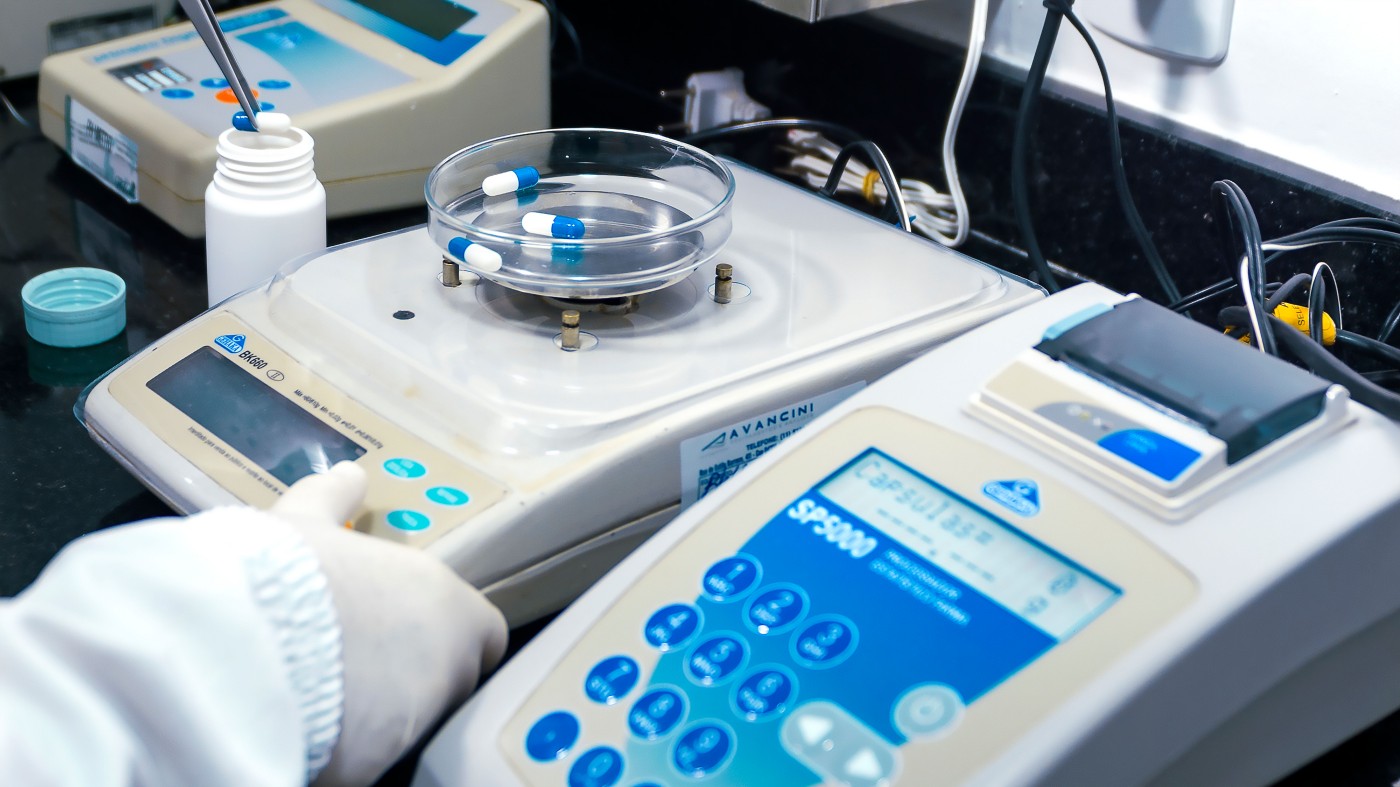
In printing and coating plants, solvent recovery with activated carbon is considered the economic standard because recovery rates of 95–98% routinely pay for the system within a few years.
Which activated carbon?
Solvent recovery demands carbon that combines high working capacity, good regenerability, and mechanical durability under repeated steam or hot-gas cycles.
|
Carbon Type |
Preferred Form |
Best For |
Key Specs |
Why It Fits Recovery |
|
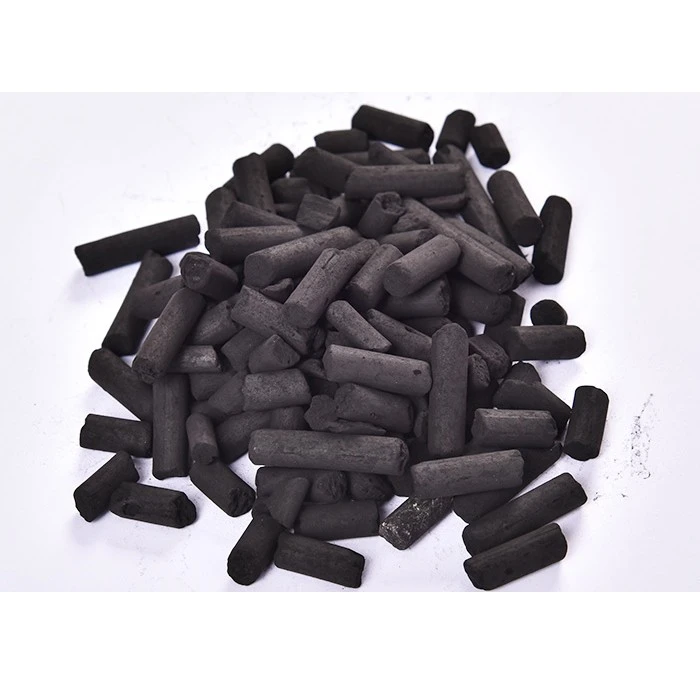
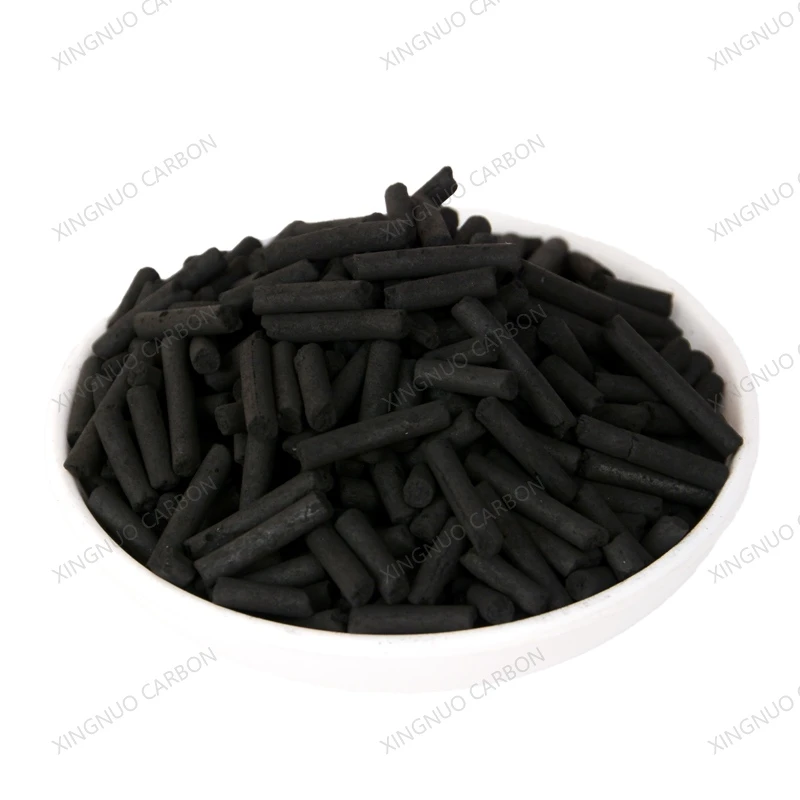
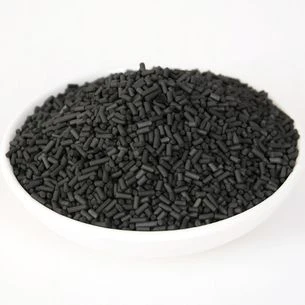
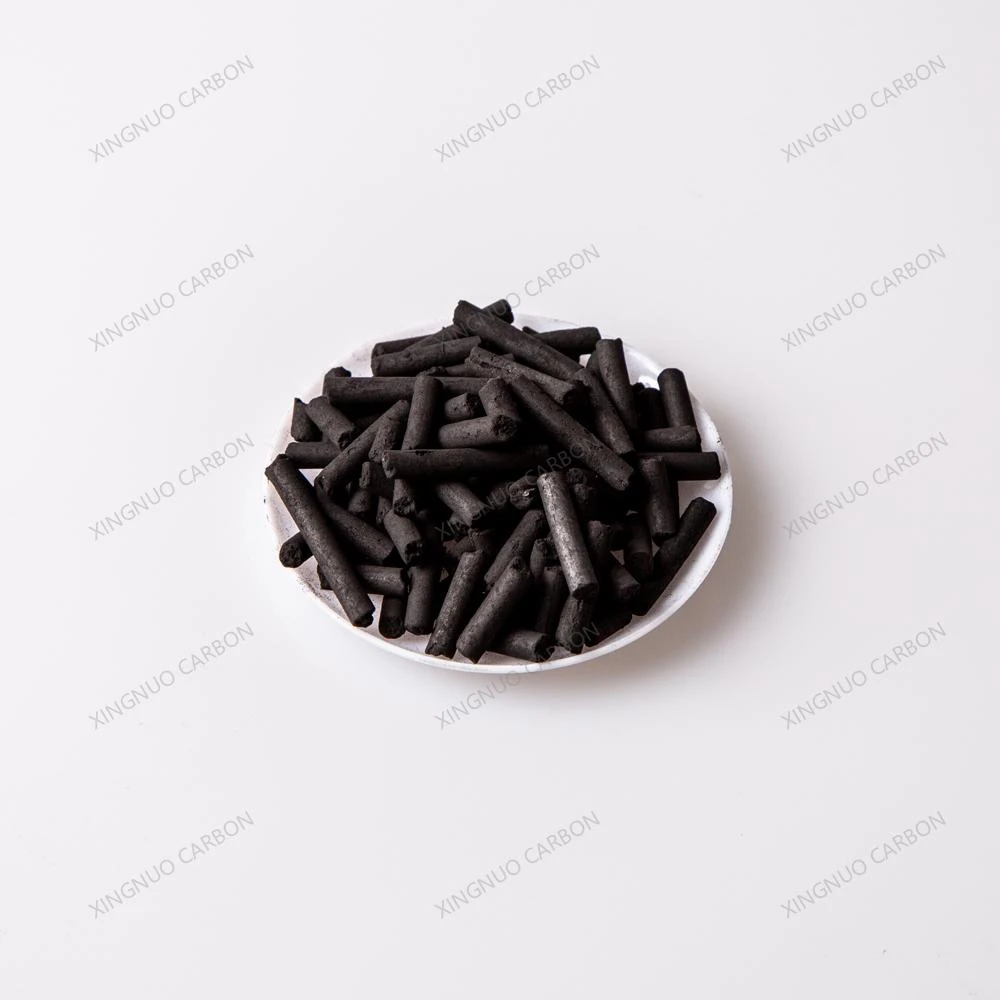
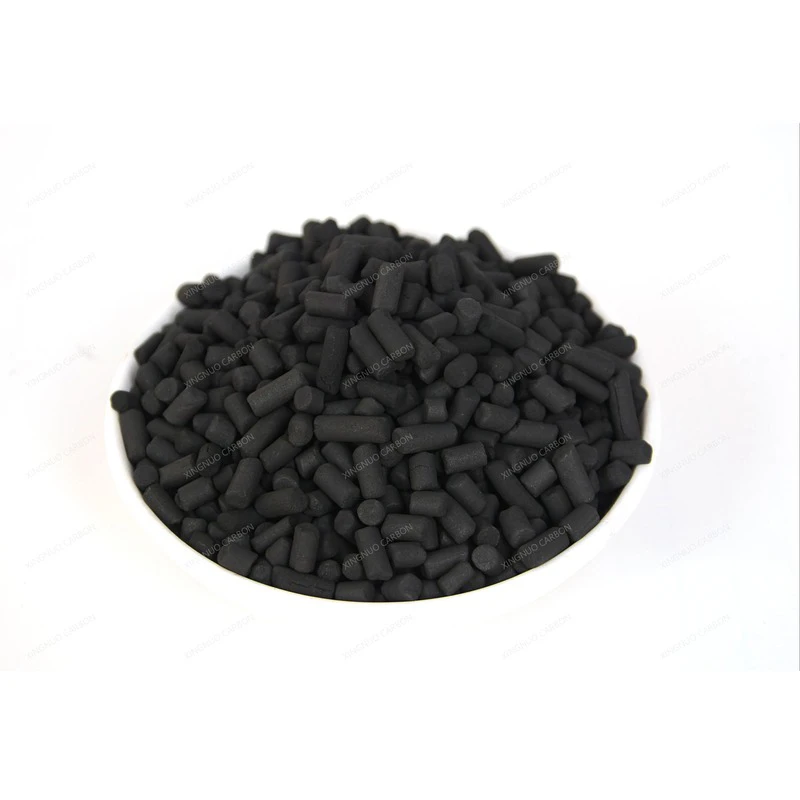
Coal-based extruded pellets (3–4 mm) |
Pellet / extruded |
Most industrial solvent streams |
CTC 55–80%, high hardness |
Excellent regenerability, balanced pores, lowest cost per cycle |
|
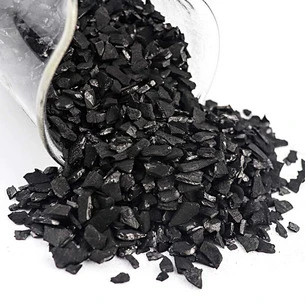
Coal-based granular |
GAC 4×8 or 6×12 |
Fixed-bed recovery systems |
CTC ≥ 60% |
High capacity, good steam regeneration performance |
|
Coconut-shell granular or pellet |
GAC or pellet |
Light solvents or polishing stages |
High micropore volume, low ash |
Superior capacity for small molecules, very low dust |
|
High-CTC specialty grades |
Pellet or GAC |
High-value or difficult solvents |
CTC 70–100% |
Maximum working capacity and longer cycle life |
Selection guidelines
- Broad-spectrum industrial solvents → coal-based extruded pellets (most common choice)
- Light / small-molecule solvents or final polishing → coconut-shell carbon
- Frequent regeneration cycles → high-hardness, low-ash grades that resist attrition
- Chlorinated solvents → specialized or impregnated grades may be required
CTC (carbon tetrachloride) activity is the primary performance indicator for gas-phase solvent recovery — higher CTC generally means higher working capacity and longer adsorption cycles.
Why Activated Carbon?
- High recovery rates: 95–98% solvent recovery is standard when the system is properly designed and operated.
- Economic payback: Recovered solvent displaces new solvent purchases; many plants achieve ROI in 1–3 years.
- Proven, mature technology: Fixed-bed steam regeneration has been the industry benchmark for decades in printing and coating.
- Flexible regeneration: Steam (most common), hot nitrogen, or vacuum can be used depending on solvent properties and plant utilities.
- Lower operating cost than destruction: Avoids the continuous fuel or electricity cost of oxidizers while generating a valuable product stream.
- Regulatory compliance + resource efficiency: Meets emission limits and supports circular-economy / solvent-reduction goals.
Limitations: High humidity, elevated inlet temperature, or very polar solvents reduce capacity. Pre-cooling and dehumidification are often necessary. Some solvents (certain ketones, polymerizable monomers) require careful temperature control during desorption to avoid degradation or polymerization on the carbon.
Recommended Products
1. Coal-based 3 mm / 4 mm extruded pellets (CTC 60–80%) — Workhorse grade for the majority of solvent recovery systems. Excellent mechanical strength and regenerability.
2. High-CTC coal-based GAC — For fixed-bed systems where maximum capacity per vessel volume is required.
3. Coconut-shell GAC or pellets — Ideal for light solvents, polishing beds, or applications needing the lowest possible ash and dust.
4. Specialty high-activity grades — For high-value solvents or systems that demand the longest possible cycle time between regenerations.
Both virgin and reactivated carbons are available. Reactivated material is frequently used in recovery service and offers significant cost savings while retaining high performance after proper thermal reactivation.
How to Use
Typical process cycle
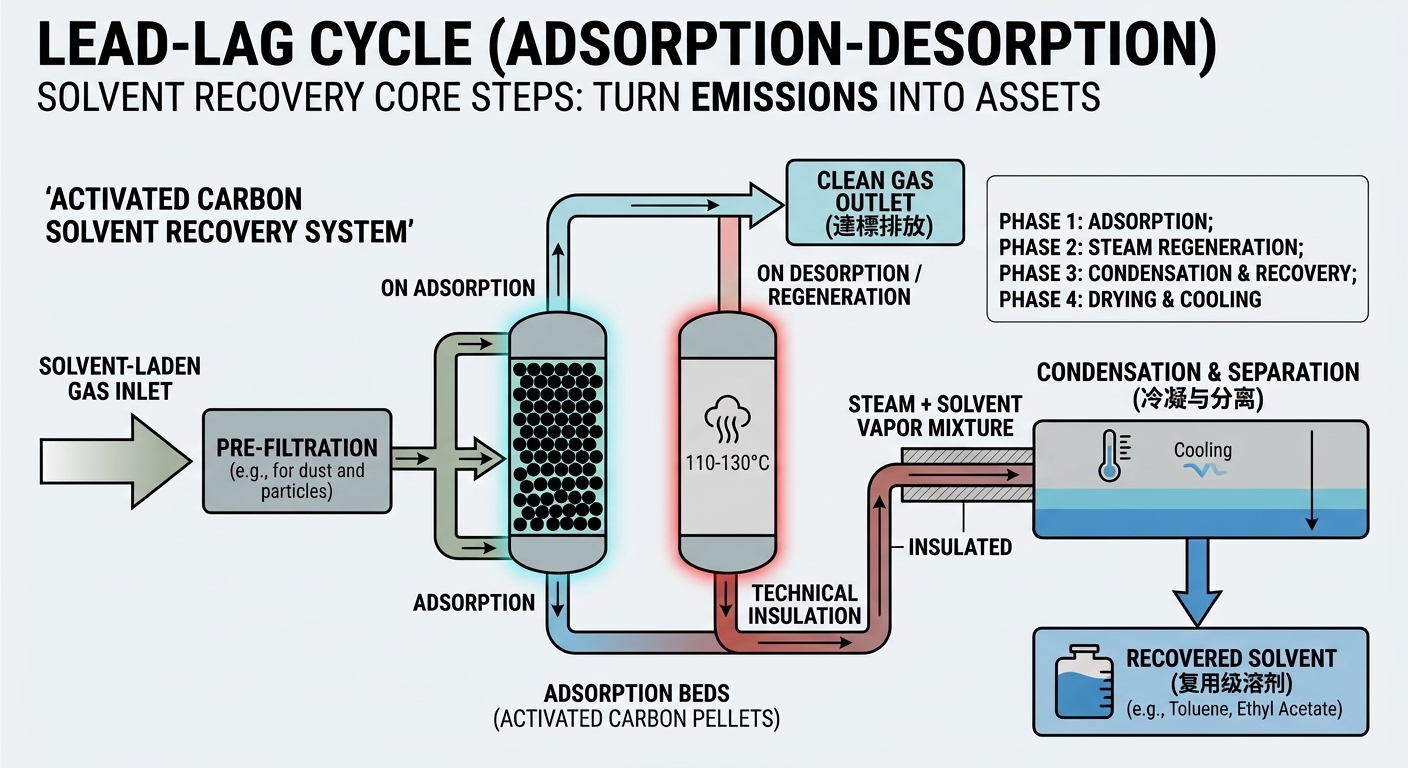
1. Adsorption: Solvent-laden air passes through one or more carbon beds. VOCs are adsorbed; clean air is discharged. Cycle time is usually 2–12 hours depending on concentration and bed size.
2. Desorption / Regeneration: Low-pressure steam (typically 110–130 °C) or hot nitrogen is passed through the saturated bed in the reverse direction. Solvent is stripped from the carbon.
3. Condensation & recovery: The solvent–steam mixture is cooled; solvent and water separate (or are further purified by distillation). Recovered solvent is returned to the process or storage.
4. Drying & cooling: The bed is dried with hot air or nitrogen and cooled to operating temperature before the next adsorption cycle.
5. Lead-lag or multi-bed operation: Continuous plants use two or more beds so that one is always adsorbing while another is regenerating.
Key design parameters
- Face velocity: 0.3–0.5 m/s
- Empty Bed Contact Time: typically 1.5–3 seconds
- Bed depth: usually 0.5–1.5 m
- Pre-treatment: particulate filtration, cooling (preferably < 40 °C), and dehumidification when RH is high
Proper instrumentation (inlet/outlet analyzers, bed temperature, differential pressure) allows operators to optimize cycle timing and maximize both recovery rate and carbon life.
Case Study
Gravure printing plant – solvent recovery systemA large gravure printer was emitting high volumes of toluene and ethyl acetate. A dual fixed-bed activated carbon system with steam regeneration was installed.
- Recovery rate: 96–98%
- Recovered solvent purity after simple distillation: suitable for direct reuse
- Payback period: approximately 2.5 years through reduced solvent purchases and avoided emission-control costs
- Carbon life: multiple years with periodic reactivation
Similar results are achieved in automotive paint shops and pharmaceutical solvent recovery units, where the combination of emission compliance and solvent reuse delivers strong economic returns.
FAQ
What recovery efficiency can I expect?


95–98% is typical for well-designed steam-regenerated systems treating common industrial solvents.
Steam or nitrogen regeneration — which is better?
Steam is the most common and lowest-cost method for water-immiscible solvents. Nitrogen is preferred when the solvent is water-sensitive, when pure dry solvent is required, or when steam utilities are limited.
How long does the carbon last?
With proper operation and periodic reactivation, carbon can last many years. Working capacity gradually declines due to heel formation; reactivation restores most of the original performance.
Can all solvents be recovered this way?
Most common non-polar and moderately polar solvents work well. Highly polar solvents, polymerizable monomers, or solvents that react with carbon may need special grades or alternative technologies.
Is recovered solvent pure enough to reuse?
In many cases yes, especially after a simple distillation or drying step. Purity depends on the original solvent mix and the regeneration/condensation process.
What information do you need for a recommendation?
Airflow rate, main solvent(s) and approximate concentration, temperature, humidity, desired recovery rate, and whether steam or nitrogen is available. With these data we can propose the optimal carbon grade, vessel configuration, and estimated economics.
Secondary Keywords
Write to Us!
Fill out the form and our team will be in touch. Below is also contact info for our offices and facilities.

Tel.:
+86 199 4927 3927

E-mail:

whatsApp:
Contact with Us
Related Products
Size: 100–325 mesh (customizable)
Used for: Wastewater treatment, decolorization, waste incineration
Size: 100×100×100 mm, 100*100*50mm,
Used for: VOC removal, exhaust gas purification, spray booths
Sizes: 1.5 mm, 2 mm, 3.0 mm, 4.0 mm, 6.0 mm
Used for: Gas purification, solvent recovery, biogas desulfurization
Size: 1.5 mm, 3.0 mm, 4.0 mm; 4×8, 8×30 mesh
Used for: H2S, acid gas, ammonia, and mercury removal
Coal-Based Tar Columnar Activated Carbon
Sizes: 1.5 mm, 2 mm, 3 mm, 4 mm, 6 mm, 8 mm, and customized sizes
Used for: Industrial waste gas treatment, solvent recovery, mercury removal, desulfurization and denitrification, gas purification
Size: 100–325 mesh (customizable)
Used for: Wastewater treatment, decolorization, waste incineration
Size: 4×8 – 12×40 mesh (GAC); 1.5 – 4.0 mm (Pellets); 200 – 325 mesh (PAC)
Used for: Industrial Gas Purification, VOC Adsorption, Wastewater Treatment, Solvent Recovery, Biogas Desulfurization, PSA Nitrogen Deoxygenation, Flue Gas Treatment
Coconut Shell Granular Activated Carbon
Size: 4-8, 6×12, 8×16, 8×30, 12×40, 30×60, 100, 200, 325 mesh (customized size available)
Used for: Drinking water and industrial water treatment, wastewater treatment, gold recovery (CIP/CIL/CIC), air purification, food and beverage decolorization, pharmaceutical purification.