+86 199 4927 3927




+86 199 4927 3927


+86 199 4927 3927
Knowledge Center
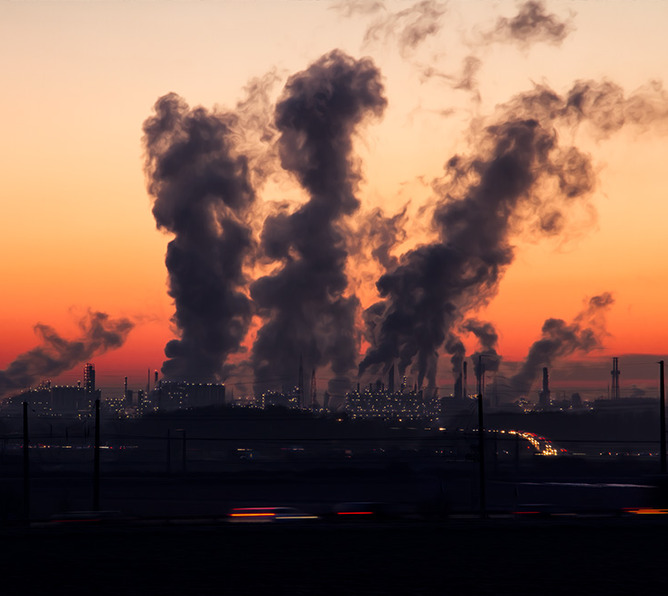
Industrial Air Purification: How Pelletized Activated Carbon Actually Handles VOCs and Odors
Industrial air problems rarely look dramatic. There's no thick smoke most of the time. No visible dust clouds. Instead, it's the stuff you can't see that causes trouble—VOCs, solvent vapors, persistent odors that slowly build up in the workspace and eventually become a real operational issue.

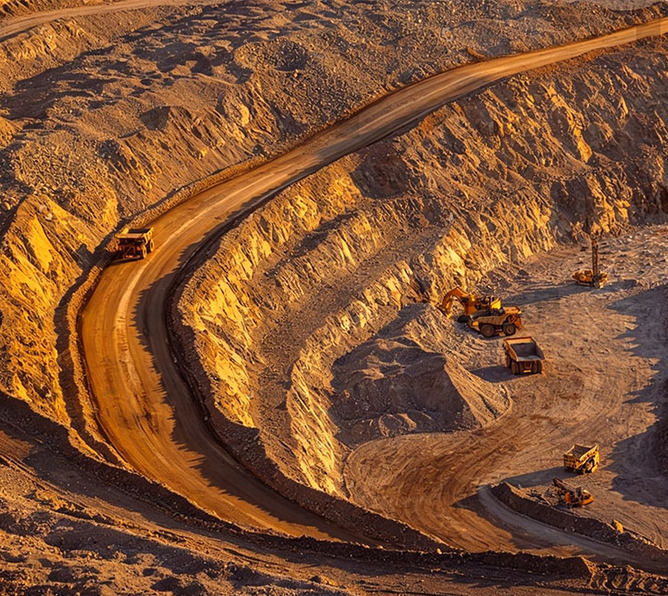
How to Treat Preg-Robbing Carbonaceous Gold Ores
Gold recovery plants processing carbonaceous ores often face a frustrating problem: cyanide consumption rises, activated carbon loads poorly, and gold recovery suddenly drops — even when the leaching circuit itself appears to be operating normally.
Activated Carbon for Ozone Removal: How It Works and How to Select the Right Carbon
Yes. Activated carbon can remove ozone from both water and gas streams. But calling it simply “ozone adsorption” is misleading. When ozone reaches the carbon surface, it reacts with the surface and breaks down. The carbon therefore acts as a reactive medium, not just a container that holds ozone inside its pores. This is also why ozone treatment is different from many conventional adsorption applications.

10 Key Quality Control Points in Activated Carbon Production
Many customers will first ask, "What is your iodine value?" However, anyone with experience using activated carbon knows that quality cannot be judged by a single parameter. Two batches of activated carbon, both with an iodine value of 1000 mg/g, can perform drastically differently in real-world applications. One batch might maintain stable performance for six months, while the other might begin to degrade in just three months. Some products will have low pressure and produce no powder during backwashing, while others will immediately generate sludge, leading to system blockage.
Activated Carbon for Textile Wastewater Treatment: A Practical Solution for Dye Removal
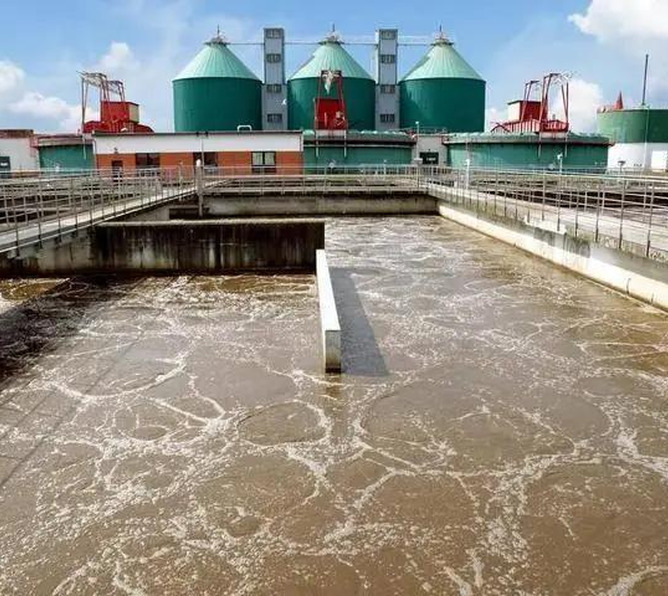
Wastewater generated from textile printing and dyeing operations is widely considered one of the most challenging types of industrial wastewater to treat. During processes such as dyeing, printing, washing, and finishing, a large amount of water is used, and the resulting effluent typically contains dyes, organic chemicals, surfactants, and auxiliary agents.
Activated Carbon Production Process: How Activated Carbon Is Made?
Activated carbon is widely used in water purification, gold recovery, and air filtration. The answer lies in the production process: from raw material selection to activation and finishing, each step directly impacts adsorption performance, hardness, and application suitability.
Activated Carbon for Soil Remediation: How to Select the Right Carbon for PFAS, Heavy Metals and Org
Granular activated carbon (GAC) is widely used in water and wastewater treatment to remove dissolved organic contaminants, chlorine, taste and odor compounds, color, and other adsorbable pollutants.
Write to Us!
Fill out the form and our team will be in touch. Below is also contact info for our offices and facilities.

Tel.:
+86 199 4927 3927

E-mail:

whatsApp:
Contact with Us