+86 199 4927 3927




+86 199 4927 3927


+86 199 4927 3927
Activated Carbon for Textile Wastewater Treatment: A Practical Solution for Dye Removal
Nov. 06, 2026
Wastewater generated from textile printing and dyeing operations is widely considered one of the most challenging types of industrial wastewater to treat. During processes such as dyeing, printing, washing, and finishing, a large amount of water is used, and the resulting effluent typically contains dyes, organic chemicals, surfactants, and auxiliary agents.
Because of its complex composition, textile wastewater often exhibits high color intensity, high chemical oxygen demand (COD), and poor biodegradability. In many cases, conventional biological treatment alone cannot achieve the discharge standards required by environmental regulations.
For this reason, many textile factories adopt advanced treatment technologies to further improve water quality. Among these methods, activated carbon for textile wastewater treatment has proven to be one of the most reliable and widely used solutions. Due to its strong adsorption capacity and stable chemical properties, activated carbon is particularly effective in removing dyes, residual organic pollutants, and certain heavy metals from wastewater.
This article discusses the characteristics of textile wastewater, the role of activated carbon in treatment systems, and practical considerations when selecting activated carbon for dye wastewater treatment.
Textile printing and dyeing wastewater has several distinctive features that make treatment more difficult compared with many other industrial effluents.
High Color Intensity
The most noticeable characteristic of textile wastewater is its extremely high color concentration. Various dyes such as reactive dyes, disperse dyes, sulfur dyes, and acid dyes are commonly used during textile processing. As a result, the chroma of wastewater can reach several hundred or even thousands of times.
Even after biological treatment, the color may still remain relatively high, which is why activated carbon wastewater decolorization is often required in the later stages of treatment.
High Organic Load
Textile wastewater also contains a large number of organic substances, including PVA sizing agents, dye intermediates, surfactants, and different chemical additives used during dyeing and finishing processes.
Many of these compounds are resistant to biological degradation, which leads to high COD levels even after biological treatment.
Strong Alkalinity
Many dyeing processes are conducted under alkaline conditions. As a result, wastewater from these processes often has a pH ranging from 10 to 13, which can affect biological treatment efficiency.
Complex Chemical Composition
In addition to dyes and organic chemicals, some wastewater streams may contain trace heavy metals such as copper, chromium, or zinc. These pollutants must be removed before discharge to meet environmental regulations.
Because of these characteristics, textile wastewater treatment systems typically require multiple treatment stages, including biological treatment followed by advanced polishing processes such as activated carbon adsorption.
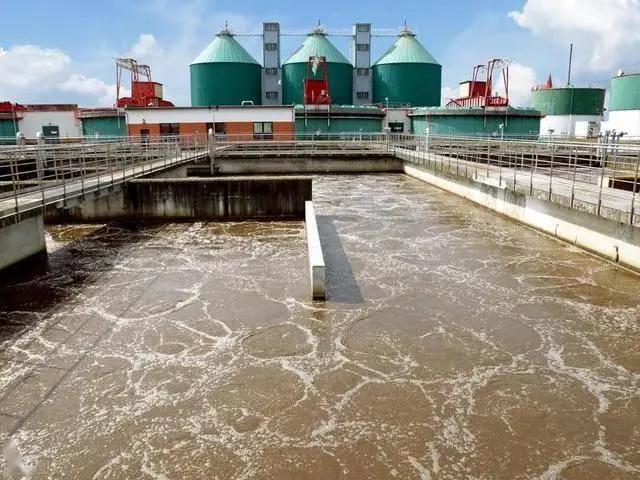
Activated carbon has been used in water purification and wastewater treatment for decades. Its unique physical and chemical properties make it highly effective for removing a wide range of contaminants.
Excellent Adsorption Capacity
Activated carbon contains a highly developed pore structure with an extremely large surface area. This structure allows it to adsorb organic molecules, dyes, and other pollutants from wastewater.
In textile wastewater treatment systems, activated carbon can effectively adsorb dye molecules that remain after biological treatment.
In many industrial applications, activated carbon wastewater decolorization efficiency can reach 85% to 95%.
Removal of Refractory Organic Pollutants
After biological treatment, some low-molecular-weight organic compounds and residual dye molecules may still remain in the water. Activated carbon can adsorb these pollutants, further reducing COD levels and improving effluent quality.
Heavy Metal Adsorption
The surface of activated carbon contains various functional groups that can interact with metal ions. Through adsorption and surface reactions, certain heavy metals such as copper and chromium can be partially removed from wastewater.
Stable Operation in Complex Conditions
Another advantage of activated carbon is its strong chemical stability. It performs well even in alkaline wastewater conditions, which are common in textile dyeing operations.
Because of these advantages, activated carbon is often used as a final polishing step in industrial wastewater treatment systems.
Different types of activated carbon can be used depending on the treatment system and operating conditions.
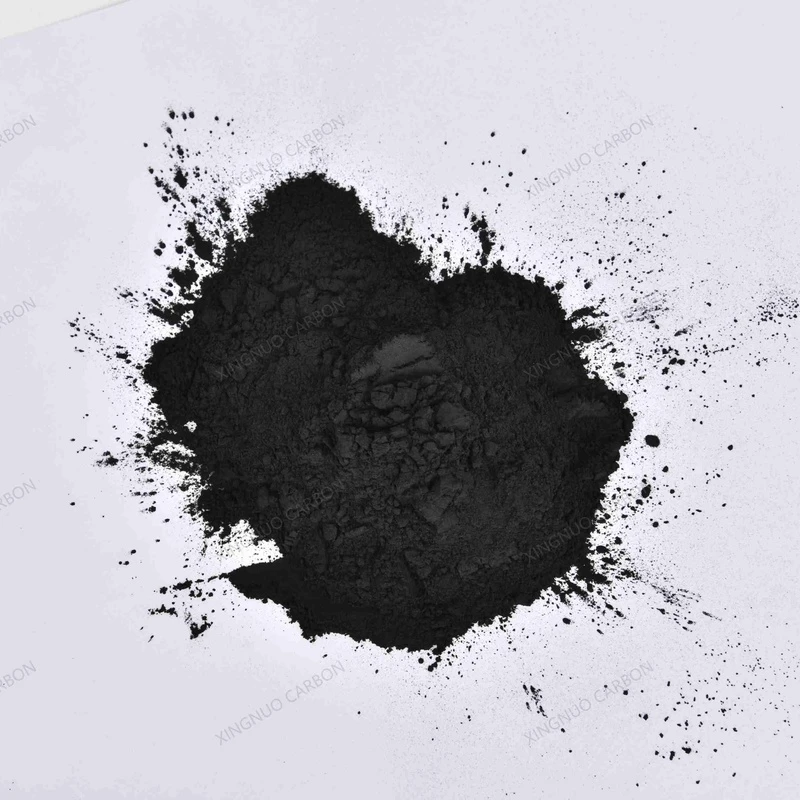
Powdered Activated Carbon (PAC)
Powdered activated carbon is widely used in dosing systems where it is directly added into wastewater treatment tanks.
Advantages of powdered activated carbon include:
• Large surface area and fast adsorption rate
• Flexible dosage control
• Suitable for biological treatment enhancement
In many cases, powdered activated carbon wastewater treatment is applied after biological treatment to improve color removal and COD reduction.
Granular Activated Carbon (GAC)
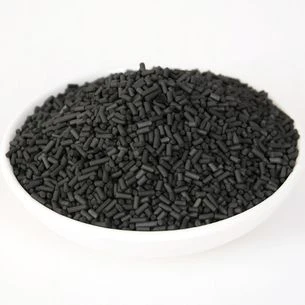
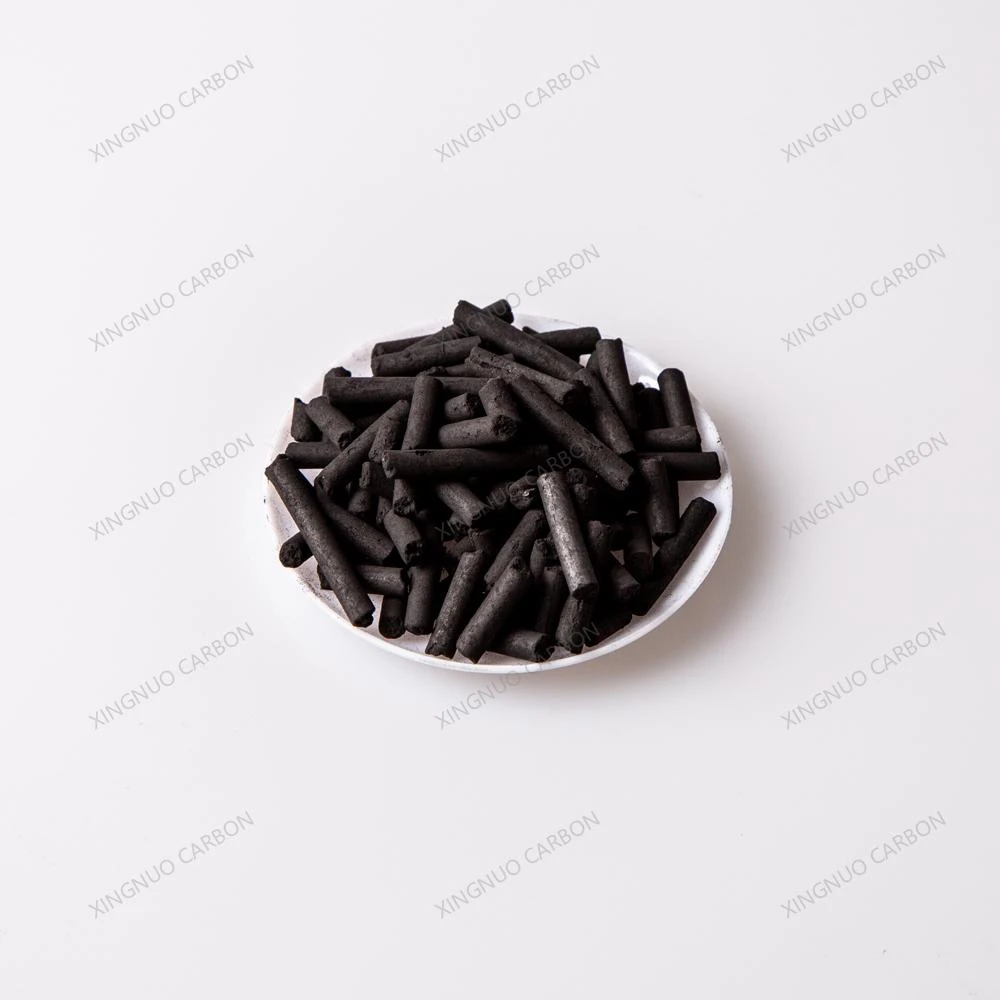
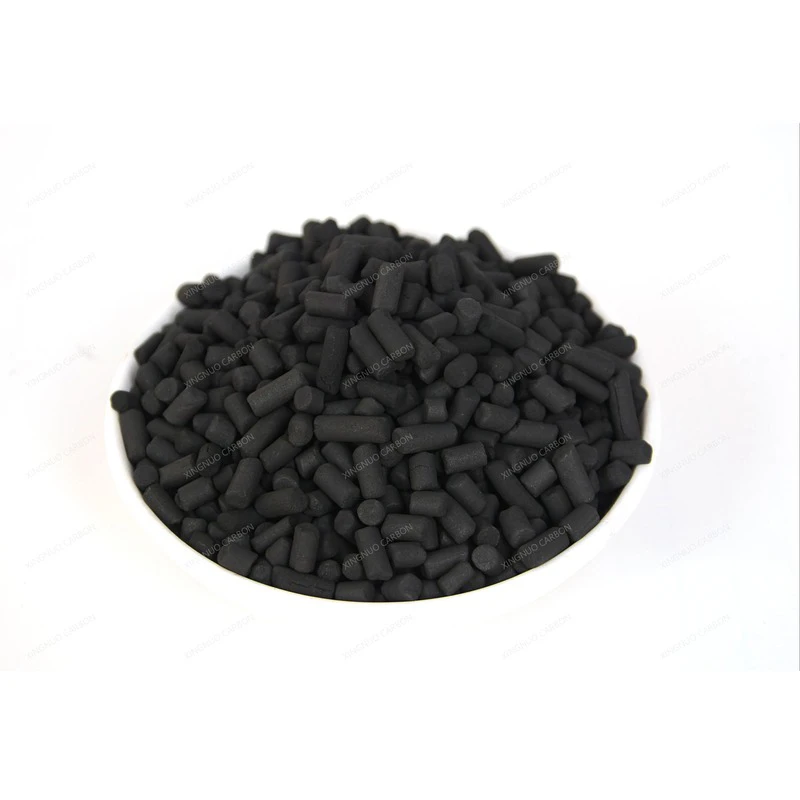
Granular activated carbon is commonly used in filtration units or adsorption columns.
Compared with powdered carbon, granular activated carbon has:
• Longer service life
• Better mechanical strength
• Suitability for continuous filtration systems
This type of industrial wastewater activated carbon is often used in advanced treatment and water reuse systems.
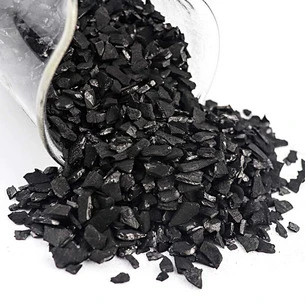
Coal-based activated carbon is widely used in industrial wastewater treatment because of its strong adsorption capacity for organic pollutants and good mechanical properties.
Coconut Shell Activated Carbon
Coconut shell activated carbon has a highly developed microporous structure. It is often selected for applications where high adsorption efficiency is required.
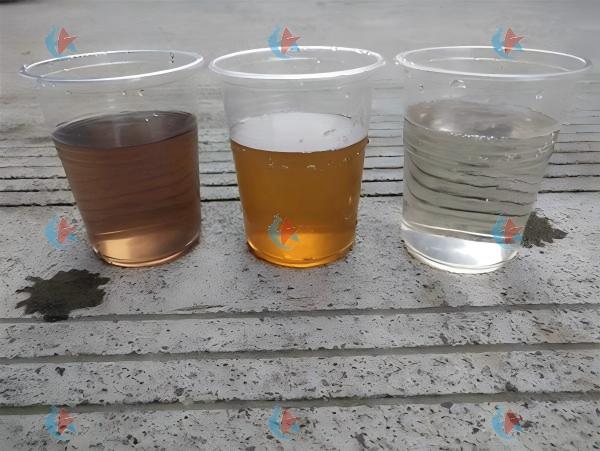
In practical engineering projects, activated carbon is usually integrated into a multi-stage wastewater treatment system rather than used as a standalone solution.
A typical textile wastewater treatment process may include the following steps:
Pre-treatment
Screens and equalization tanks are used to remove large particles and balance wastewater flow and composition.
Biological treatment
Processes such as hydrolysis acidification and contact oxidation help degrade biodegradable organic substances.
Coagulation and sedimentation
Chemical coagulants are used to remove suspended solids and colloidal particles.
Activated carbon adsorption
Activated carbon filters or dosing systems remove residual dyes, organic pollutants, and trace contaminants.
Final discharge or water reuse
After advanced treatment, the effluent may meet environmental discharge standards or be reused in production processes.
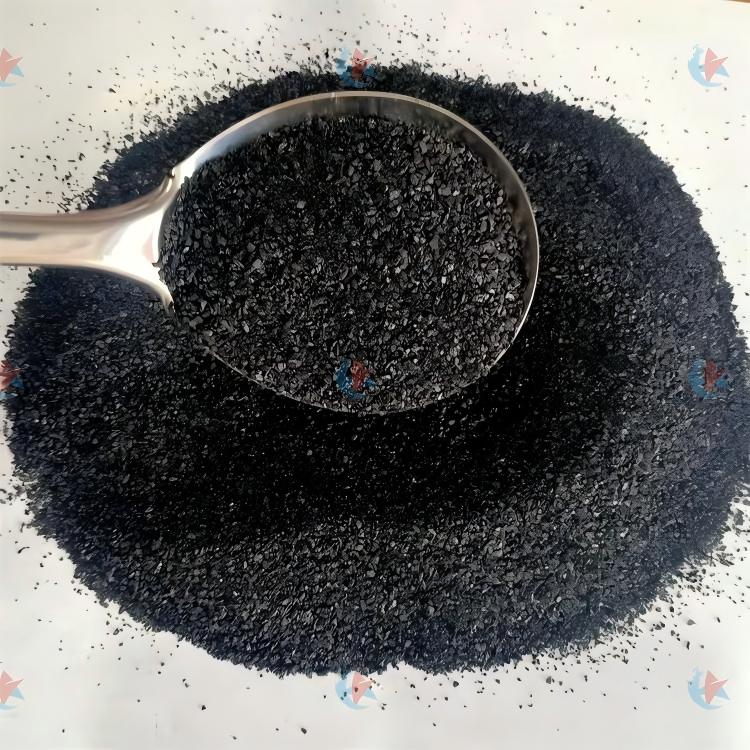
Case 1: Advanced Treatment in a Cotton Dyeing Factory
A cotton textile dyeing factory in Southeast Asia generates a large amount of wastewater during the dyeing and washing processes. The raw wastewater has a COD concentration ranging from 900–1200 mg/L and a color value of approximately 400–700 times. Even after biological treatment, the color of the effluent remained relatively high and could not meet the local discharge requirements.
To improve the treatment performance, an activated carbon filtration unit was added after the coagulation and sedimentation process.
The final treatment system consisted of:
Screening → Equalization Tank → Hydrolysis Acidification → Biological Oxidation → Coagulation Sedimentation → Granular Activated Carbon Filtration
Coal-based granular activated carbon with an iodine value above 800 mg/g was used as the adsorption medium.
After optimization and stable operation, the treatment results showed clear improvements:
• Effluent color decreased from about 450 times to less than 20 times
• COD was reduced to below 70 mg/L
• The effluent met the local industrial discharge standards
The plant has operated this system for more than one year with stable performance, demonstrating the effectiveness of activated carbon for textile wastewater treatment.
Case 2: Powdered Activated Carbon Enhancement in a Knitted Fabric Plant
A knitted fabric dyeing facility faced difficulties removing residual dyes after biological treatment. Although the biological process reduced most biodegradable organic matter, the treated water still had noticeable color and relatively high COD levels.
To address this issue, the plant introduced powdered activated carbon dosing into the treatment system.
The upgraded treatment process was:
Equalization Tank → Anaerobic Treatment → Aerobic Treatment → Powdered Activated Carbon Dosing → Secondary Sedimentation → Discharge
Powdered activated carbon was added at a dosage of 50–100 mg/L, depending on the influent wastewater quality.
After the modification:
• Color removal efficiency increased to about 90%
• Overall COD removal efficiency increased from approximately 75% to over 90%
This improvement allowed the plant to consistently meet regulatory discharge limits. The use of powdered activated carbon for dye wastewater treatment proved to be a cost-effective way to enhance the performance of the existing treatment system.
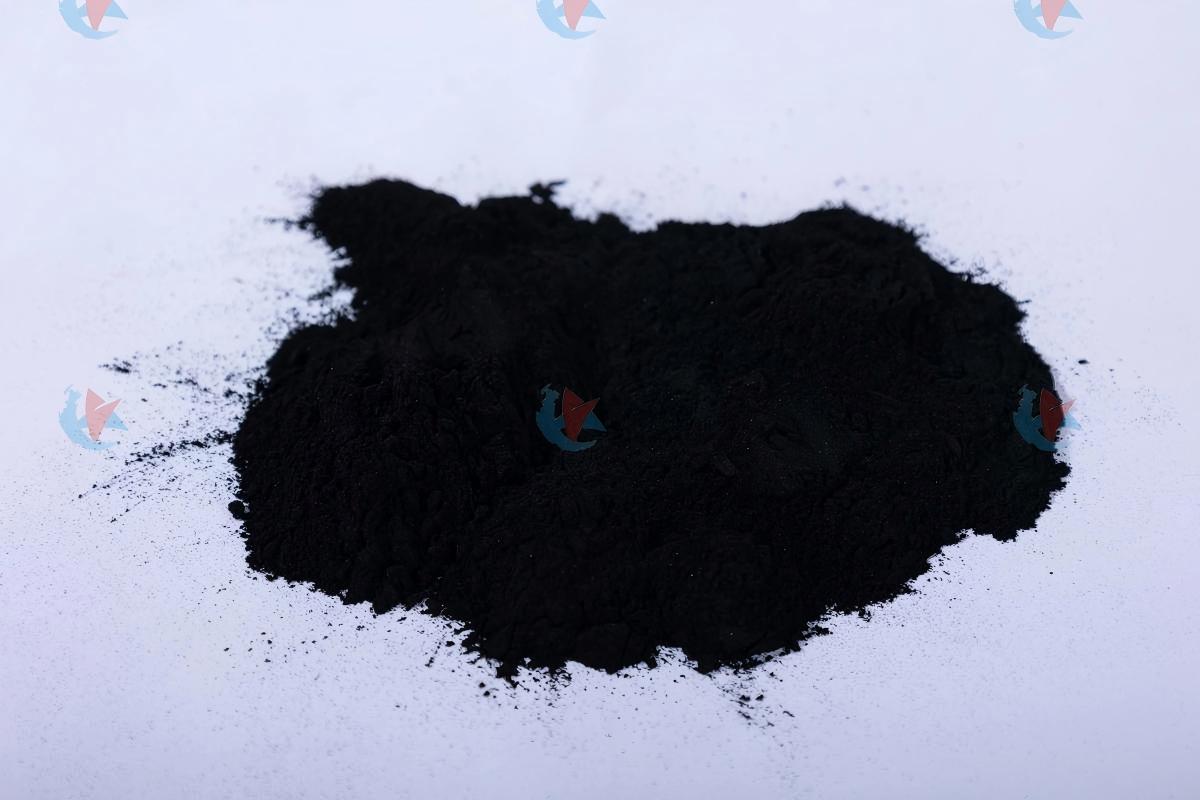
Selecting the appropriate activated carbon is an important factor in achieving efficient treatment performance.
Several key parameters should be considered when choosing activated carbon for dye wastewater treatment.
Iodine Value
The iodine value is commonly used to indicate the adsorption capacity of activated carbon. Higher iodine values generally correspond to stronger adsorption performance for organic pollutants.
Pore Structure
Different pollutants require different pore size distributions for effective adsorption. A balanced micro- and mesoporous structure is usually beneficial for dye removal.
Particle Size
Powdered activated carbon is suitable for dosing systems, while granular activated carbon is more appropriate for filtration units.
Mechanical Strength
For filtration applications, activated carbon must have sufficient hardness to resist abrasion during long-term operation.
In practical wastewater treatment projects, the selection of activated carbon should be based on wastewater composition, treatment process design, and operational conditions.
Textile printing and dyeing wastewater presents significant treatment challenges due to its high color intensity, high organic load, and complex chemical composition.
Activated carbon has proven to be a reliable material for advanced wastewater treatment. With its strong adsorption capacity and chemical stability, it can effectively remove dyes, residual organic pollutants, and certain heavy metals from wastewater.
Industrial applications have shown that both powdered activated carbon and granular activated carbon can significantly improve treatment efficiency when properly integrated into wastewater treatment systems.
As environmental standards continue to become more stringent, activated carbon will remain an important solution for textile wastewater treatment and water reuse in the textile industry.
If you are looking for activated carbon for textile wastewater treatment, our technical team can provide product recommendations based on your wastewater conditions and treatment process.
Feel free to contact us for technical information and product specifications.
Related Products
Size: 100–325 mesh (customizable)
Used for: Wastewater treatment, decolorization, waste incineration
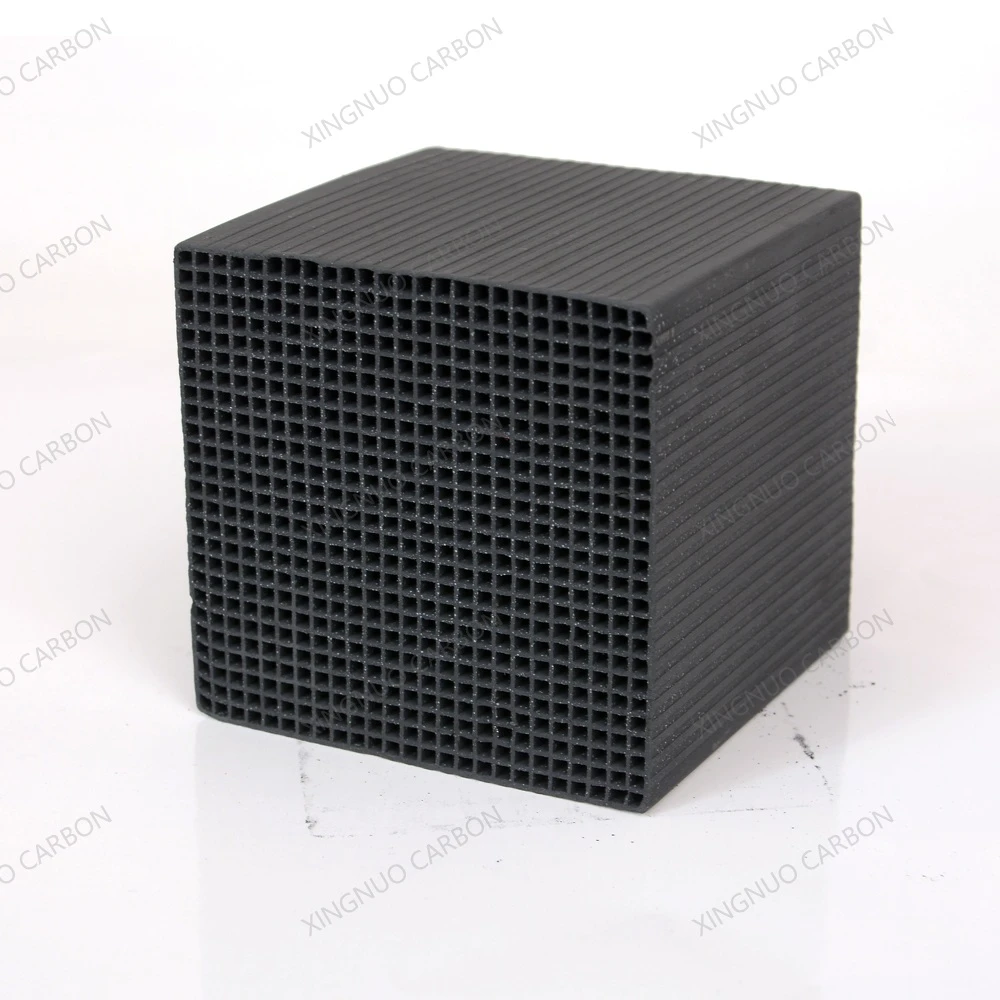
Size: 100×100×100 mm, 100*100*50mm,
Used for: VOC removal, exhaust gas purification, spray booths
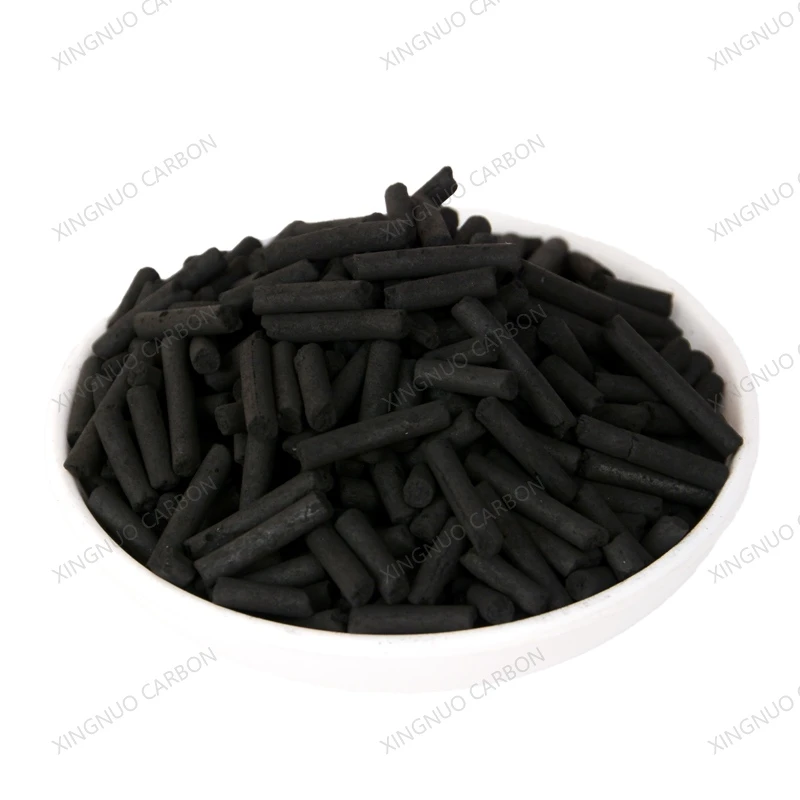
Sizes: 1.5 mm, 2 mm, 3.0 mm, 4.0 mm, 6.0 mm
Used for: Gas purification, solvent recovery, biogas desulfurization
Size: 1.5 mm, 3.0 mm, 4.0 mm; 4×8, 8×30 mesh
Used for: H2S, acid gas, ammonia, and mercury removal
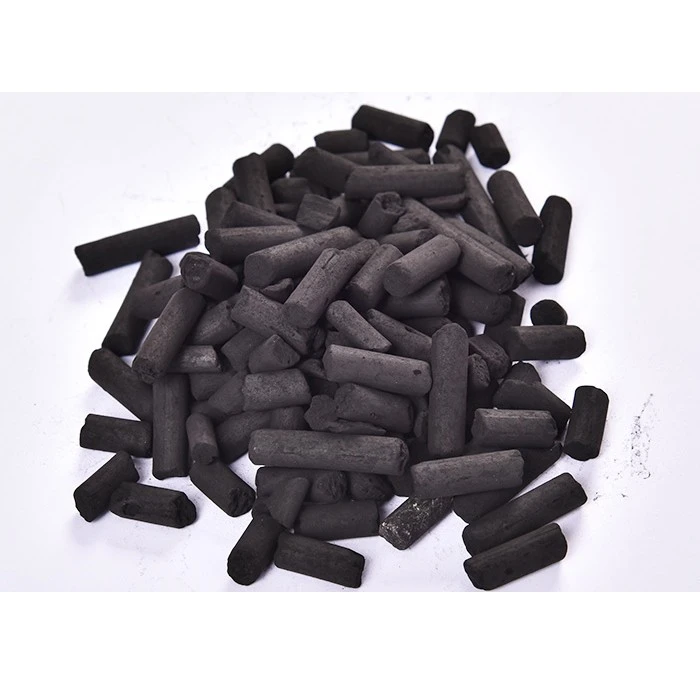
Coal-Based Tar Columnar Activated Carbon
Sizes: 1.5 mm, 2 mm, 3 mm, 4 mm, 6 mm, 8 mm, and customized sizes
Used for: Industrial waste gas treatment, solvent recovery, mercury removal, desulfurization and denitrification, gas purification
Size: 100–325 mesh (customizable)
Used for: Wastewater treatment, decolorization, waste incineration
Size: 4×8 – 12×40 mesh (GAC); 1.5 – 4.0 mm (Pellets); 200 – 325 mesh (PAC)
Used for: Industrial Gas Purification, VOC Adsorption, Wastewater Treatment, Solvent Recovery, Biogas Desulfurization, PSA Nitrogen Deoxygenation, Flue Gas Treatment
Coconut Shell Granular Activated Carbon
Size: 4-8, 6×12, 8×16, 8×30, 12×40, 30×60, 100, 200, 325 mesh (customized size available)
Used for: Drinking water and industrial water treatment, wastewater treatment, gold recovery (CIP/CIL/CIC), air purification, food and beverage decolorization, pharmaceutical purification.