+86 199 4927 3927




+86 199 4927 3927


+86 199 4927 3927
Activated Carbon Production Process: How Activated Carbon Is Made?
Nov. 06, 2026
Activated carbon is widely used in water purification, gold recovery, and air filtration. But for most buyers, one question comes up again and again:
"How is activated carbon actually made, and what affects its quality?"
The answer lies in the production process. From raw material selection to activation and finishing, each step directly impacts adsorption performance, hardness, and application suitability.
The activated carbon making process determines how raw materials like coconut shell, coal, or wood are transformed into high-performance activated carbon. Understanding this process is essential for selecting the right product for water treatment, gold recovery, or air purification.
Before diving into the activated carbon making process, it’s important to understand one thing:
Its performance depends on three core factors:
• Raw materials (coconut shell, coal, or wood)
• Activation method (physical or chemical)
• Process control (temperature, time, and equipment)
Even small differences in these steps can lead to major performance variations in real-world applications.

The activated carbon making process starts with selecting the right base material. Common options include:
Coconut shell – high hardness, ideal for water treatment and gold recovery
Coal-based carbon – cost-effective, widely used in air and wastewater treatment
Wood-based carbon – suitable for decolorization and food-grade applications
The raw material determines the pore structure and final adsorption capacity.
Raw materials are heated in an oxygen-limited environment at 400–900°C.
This step removes volatile compounds and converts the material into a basic carbon structure.
At this stage, the carbon is not yet “activated” — it has limited adsorption ability.
This is the most critical stage in the activated carbon production process.
There are two main methods:
• Physical Activation (Steam / CO₂)
• Temperature: 800–1000°C
• Activating agents: steam or carbon dioxide
• Result: well-developed pore structure
Common in coconut shell and coal-based activated carbon
• Chemical Activation
• Chemicals: phosphoric acid (H₃PO₄), potassium hydroxide (KOH)
• Lower temperature than physical activation
• Produces high surface area carbon
Often used for powdered activated carbon and specialty applications

After activation, the carbon is washed to remove impurities and residual chemicals.
This step is especially important for:
• Drinking water treatment
• Food-grade applications
Cleanliness directly affects safety and performance.
The activated carbon is processed into different forms:
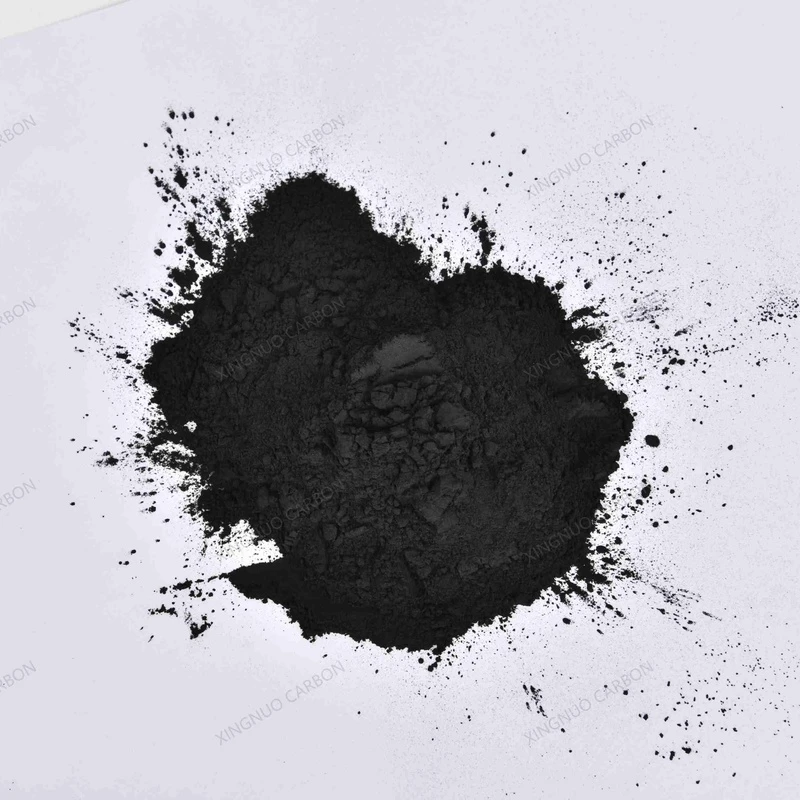
• Powdered Activated Carbon (PAC)
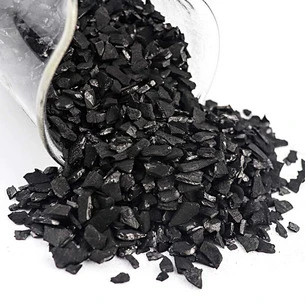
• Granular Activated Carbon (GAC)
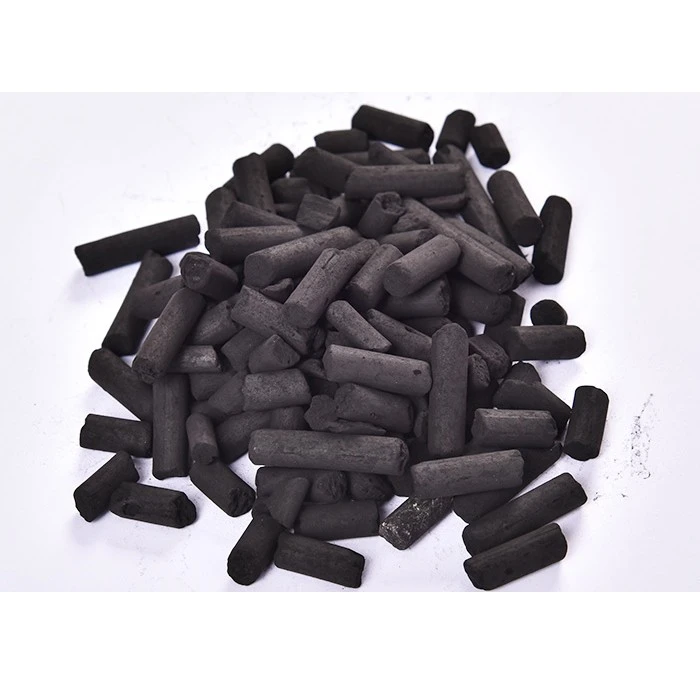
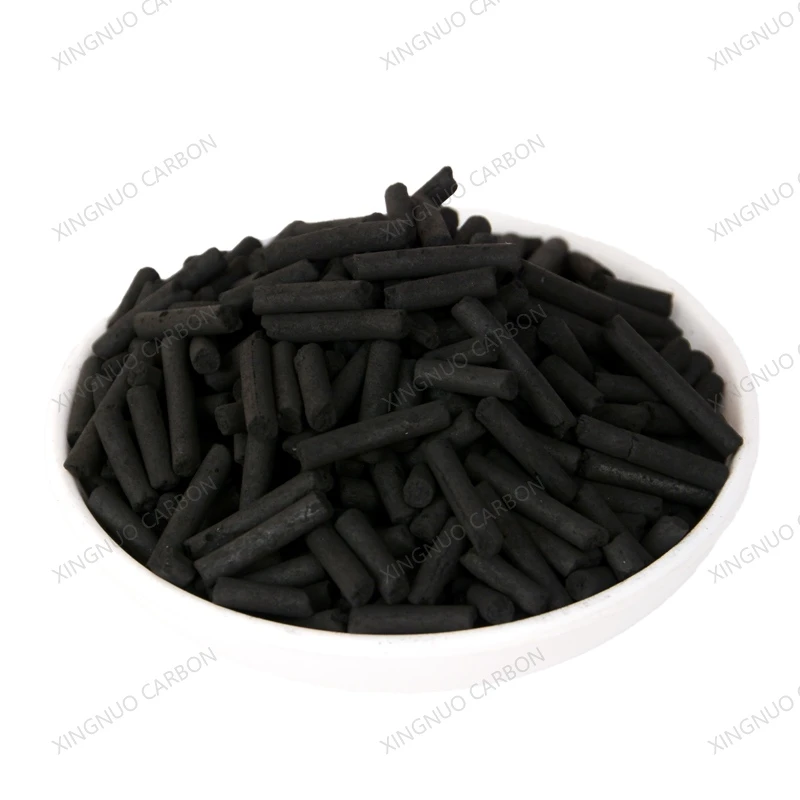
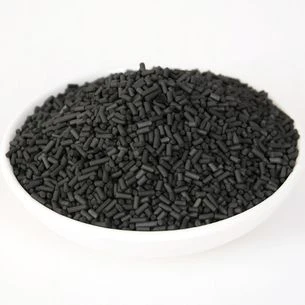
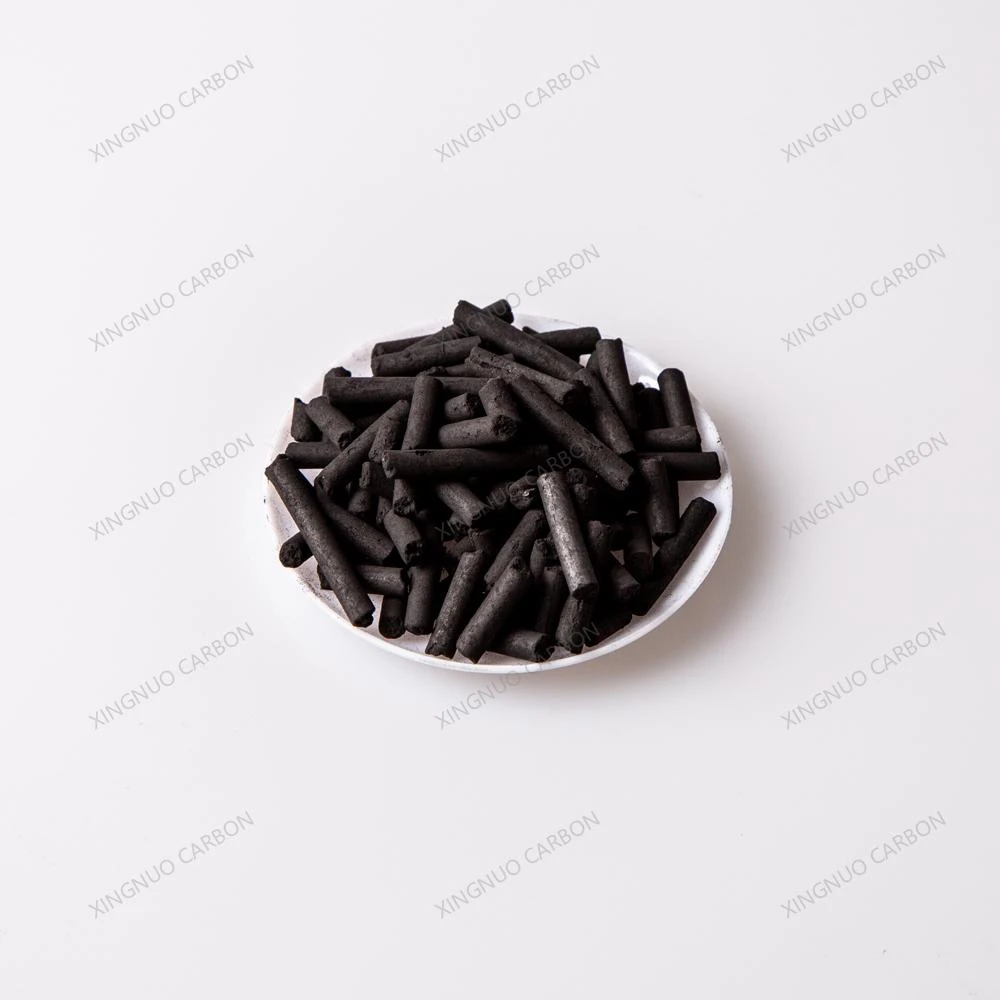
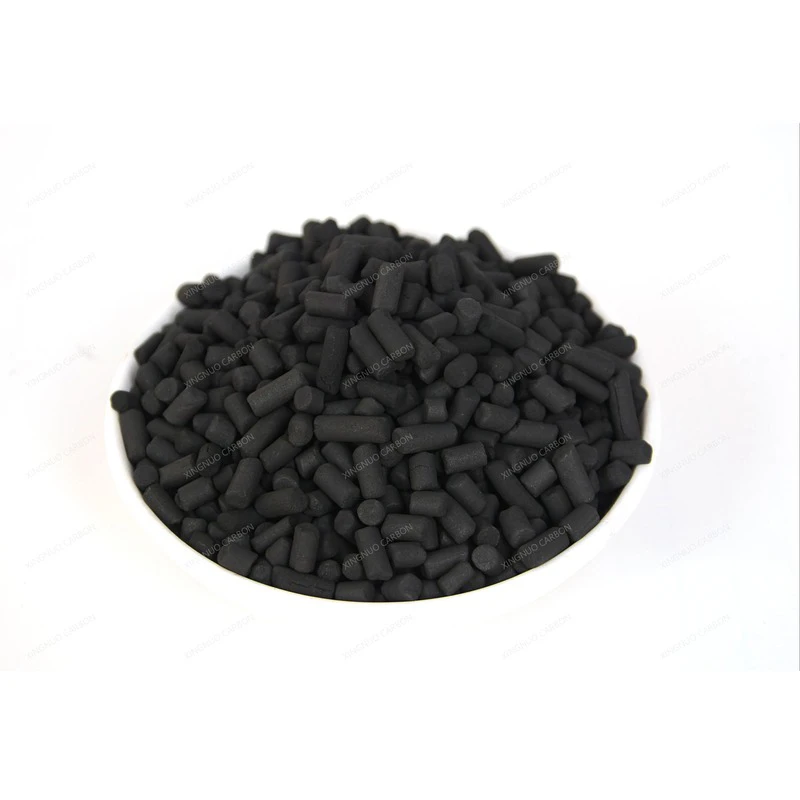
• Pelletized (Columnar) Activated Carbon
Different forms are used for different industries.
| Factor | Physical Activation | Chemical Activation |
|---|---|---|
| Temperature | High | Lower |
| Cost | Moderate | Higher |
| Pore Structure | Balanced | Highly developed |
| Applications | Water, air, gold | Food, pharma, specialty |

In industrial production, consistent quality is everything.
Key control factors include:
• Iodine value – indicates adsorption capacity
• Ash content – affects purity
• Moisture level – impacts storage and transport
• Hardness – critical for gold recovery and column use
• Particle size distribution – ensures system compatibility
Serious suppliers always control these parameters strictly.
Understanding the activated carbon making process helps buyers choose the right product.
• Removes chlorine, organics, and odor
• Typically uses coconut shell or coal-based GAC
• Requires high hardness and wear resistance
• Uses pelletized or granular activated carbon
• Removes VOCs and harmful gases
• Often uses coal-based activated carbon
Here’s a simple rule:
• Water treatment → Coconut shell activated carbon
• Gold recovery → High hardness granular carbon
• Air purification → Coal-based activated carbon
The production process behind the product matters more than price alone.
The activated carbon production process is more than just a series of steps — it defines the final product performance.
For buyers, understanding how activated carbon is made helps avoid low-quality materials and choose the right solution for specific applications.
If you’re sourcing activated carbon for industrial use, always evaluate:
• Raw materials
• Activation method
• Quality control standards
Because in this industry, process determines performance.
Looking for the right activated carbon for your application? Contact us for technical recommendations.
The activated carbon making process involves raw material selection, carbonization, activation, washing, and crushing to produce carbon with high adsorption capacity.
Physical activation uses steam or CO₂ at high temperatures, while chemical activation uses chemicals like H₃PO₄ or KOH. The method determines surface area, pore size, and applications.
Quality is influenced by raw material, activation method, temperature, and process control, which directly affect iodine value, hardness, and adsorption capacity.
Activated carbon comes in powdered, granular, and pelletized (columnar) forms. Each type is suitable for different industrial applications.
Coconut shell granular activated carbon with high iodine value is ideal for water treatment, effectively removing chlorine, organics, and odor.
High-hardness pelletized or granular carbon is recommended for gold recovery due to longer service life and superior adsorption of gold cyanide complexes.
Iodine value, ash content, moisture level, hardness, and particle size distribution are critical to ensuring consistent performance in industrial applications.
Yes. Knowing whether it was physically or chemically activated, the raw material, and the carbon form can help select the right product for water, gold, or air applications.
Evaluate the raw materials, activation method, technical specifications (iodine value, CTC, hardness), and intended application. Consulting the supplier can help make the best choice.

Related Products
Size: 100–325 mesh (customizable)
Used for: Wastewater treatment, decolorization, waste incineration
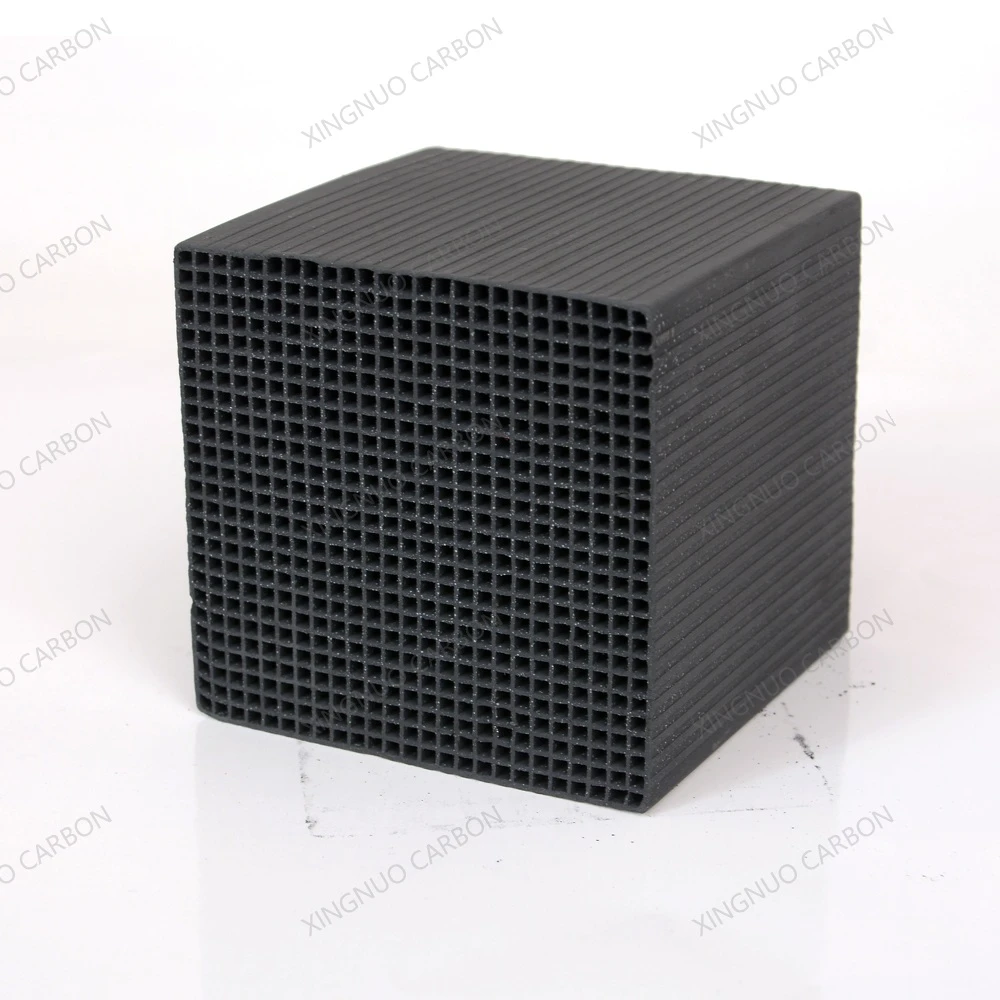
Size: 100×100×100 mm, 100*100*50mm,
Used for: VOC removal, exhaust gas purification, spray booths
Sizes: 1.5 mm, 2 mm, 3.0 mm, 4.0 mm, 6.0 mm
Used for: Gas purification, solvent recovery, biogas desulfurization
Size: 1.5 mm, 3.0 mm, 4.0 mm; 4×8, 8×30 mesh
Used for: H2S, acid gas, ammonia, and mercury removal
Coal-Based Tar Columnar Activated Carbon
Sizes: 1.5 mm, 2 mm, 3 mm, 4 mm, 6 mm, 8 mm, and customized sizes
Used for: Industrial waste gas treatment, solvent recovery, mercury removal, desulfurization and denitrification, gas purification
Size: 100–325 mesh (customizable)
Used for: Wastewater treatment, decolorization, waste incineration
Size: 4×8 – 12×40 mesh (GAC); 1.5 – 4.0 mm (Pellets); 200 – 325 mesh (PAC)
Used for: Industrial Gas Purification, VOC Adsorption, Wastewater Treatment, Solvent Recovery, Biogas Desulfurization, PSA Nitrogen Deoxygenation, Flue Gas Treatment
Coconut Shell Granular Activated Carbon
Size: 4-8, 6×12, 8×16, 8×30, 12×40, 30×60, 100, 200, 325 mesh (customized size available)
Used for: Drinking water and industrial water treatment, wastewater treatment, gold recovery (CIP/CIL/CIC), air purification, food and beverage decolorization, pharmaceutical purification.