+86 199 4927 3927




+86 199 4927 3927


+86 199 4927 3927
Activated Carbon for Soil Remediation: How to Select the Right Carbon for PFAS, Heavy Metals and Org
Nov. 06, 2026
Granular activated carbon (GAC) is widely used in water and wastewater treatment to remove dissolved organic contaminants, chlorine, taste and odor compounds, color, and other adsorbable pollutants.
Because GAC can be packed into fixed-bed filters and adsorption vessels, it is suitable for continuous water treatment systems as well as polishing processes. Different raw materials, pore structures, particle sizes, and activation characteristics allow GAC to be selected for different water treatment requirements.
Introduction: The Role of Activated Carbon in Contaminated Soil Remediation
Soil contamination is one of the most challenging environmental issues facing industrial sites, manufacturing faclities, and agricutural areasPolutants suh as PFAs,petrclum hytocatons, PAHs, pesticides, an heay metals can reman n sol for years and may migrate into groundwater or ente the oed chanTreditional remediation methods, incduding excavation and diposal can fectively remove contaninated sol but ofen nvoikve high tansportaion costs,camplex disposal tequiteents, and significant disruption to the site.
For mary contaninated stes, the goal is not alvays to compltely remore every polutant fon the sol n many cases, the priority is to canto ontaminant migration,reduce exposture isks and stabilize the site for long-term management.
This is where activated carbon plays an important role.
Actvated cartons wdey used as a sol amendment and remediation materalbecause ofts higny deyvelped pore stucure and stong dsorption capacty capures contaminants reduces their mobility, and lowers their bioavailability.
However, choosing the right activated carbon is not simply about selecting the product with the highest iodine value or surface area.
Related Products
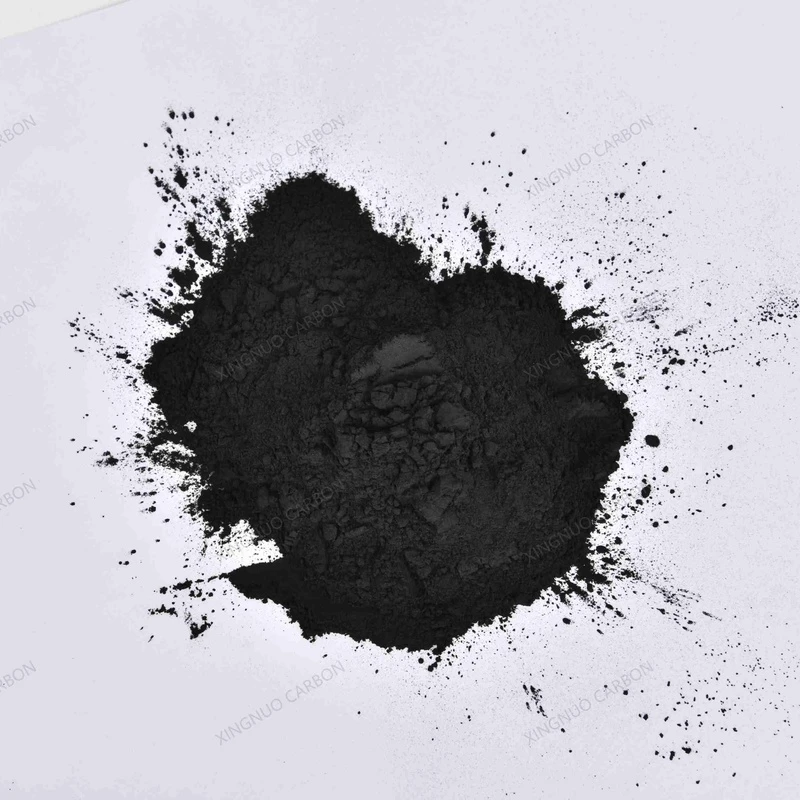
Size: 100–325 mesh (customizable)
Used for: Wastewater treatment, decolorization, waste incineration
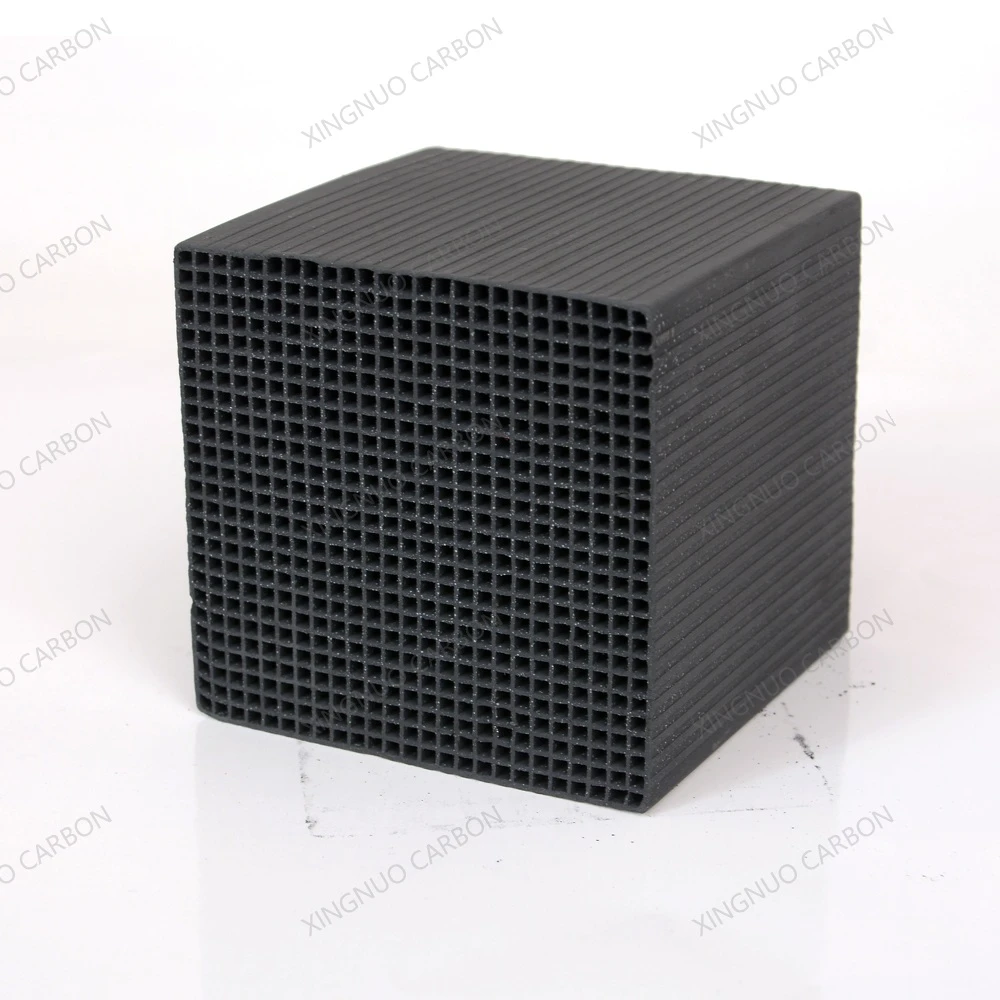
Size: 100×100×100 mm, 100*100*50mm,
Used for: VOC removal, exhaust gas purification, spray booths
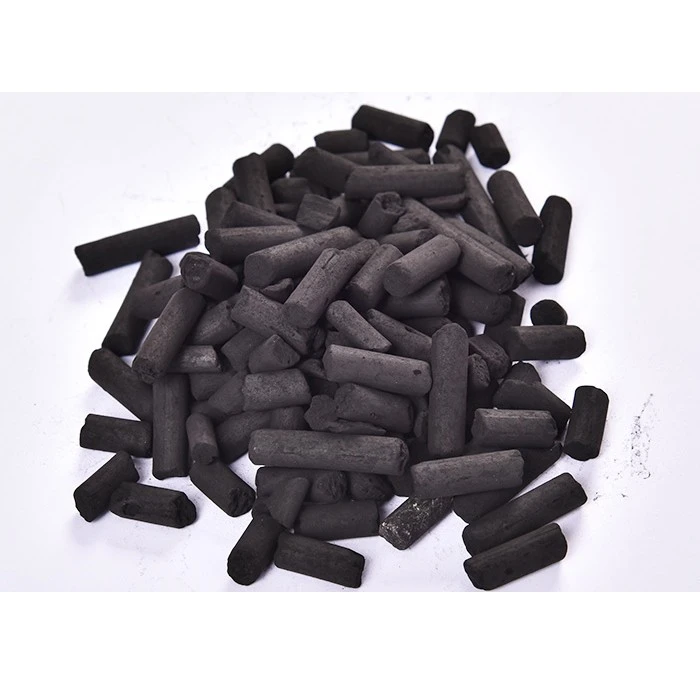
Sizes: 1.5 mm, 2 mm, 3.0 mm, 4.0 mm, 6.0 mm
Used for: Gas purification, solvent recovery, biogas desulfurization
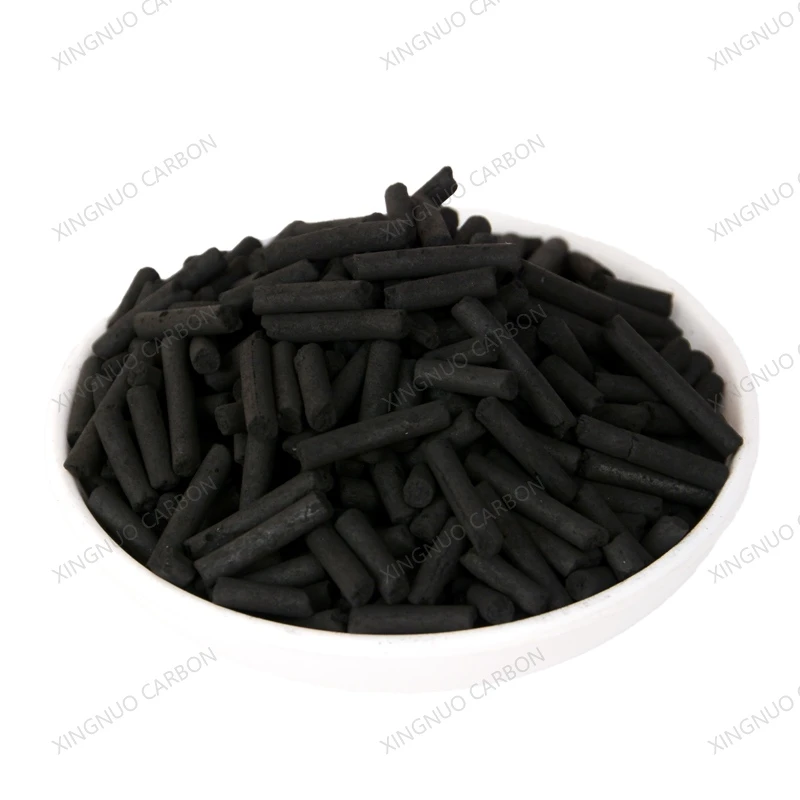
Size: 1.5 mm, 3.0 mm, 4.0 mm; 4×8, 8×30 mesh
Used for: H2S, acid gas, ammonia, and mercury removal
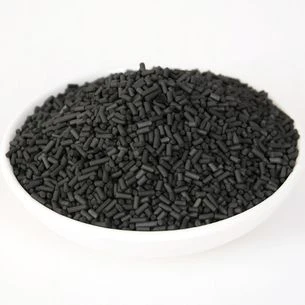
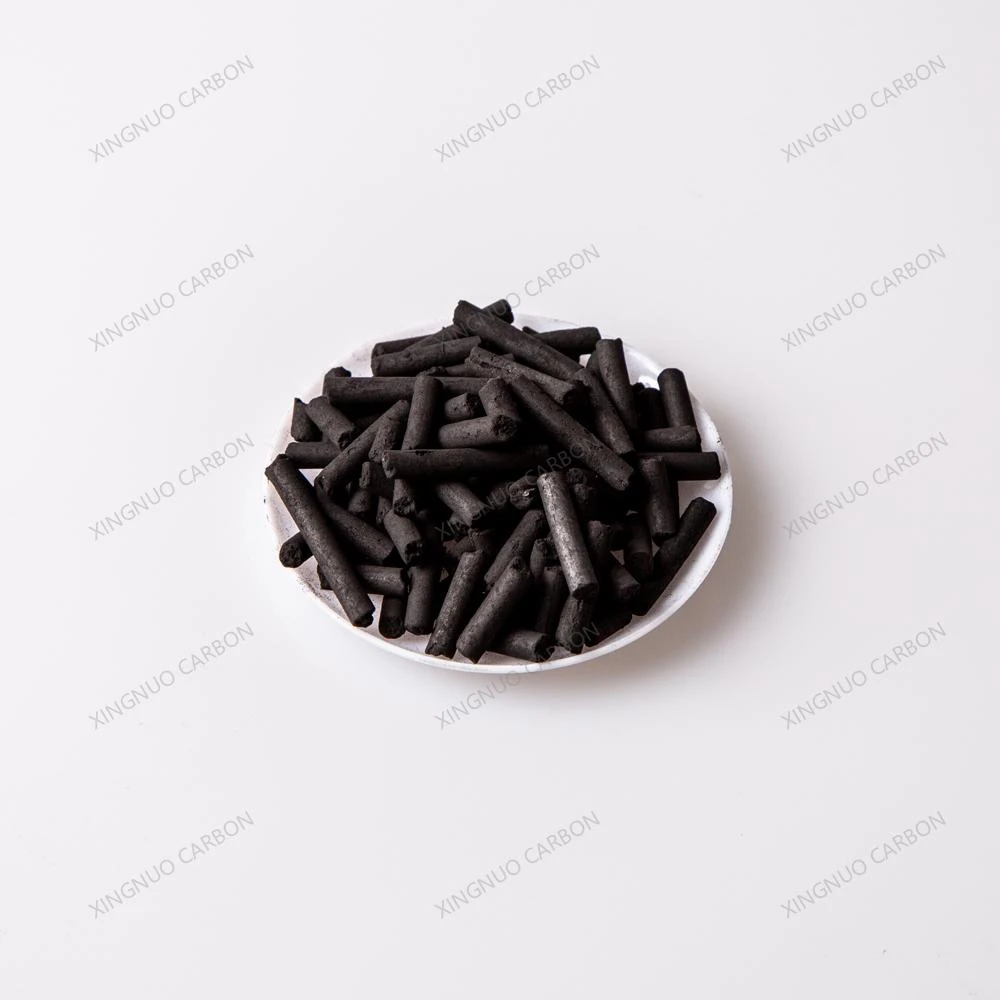
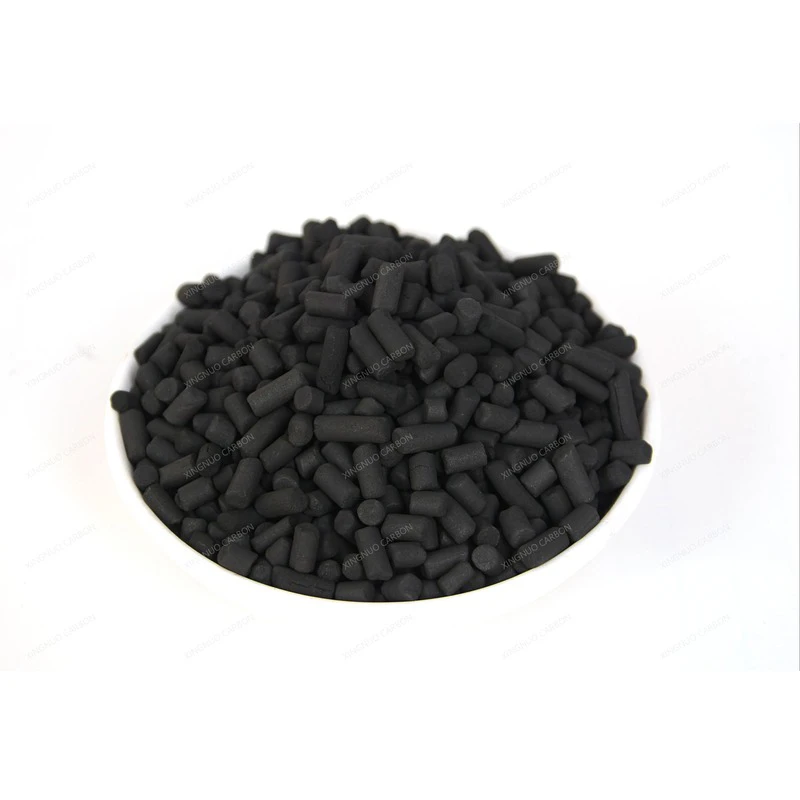
Coal-Based Tar Columnar Activated Carbon
Sizes: 1.5 mm, 2 mm, 3 mm, 4 mm, 6 mm, 8 mm, and customized sizes
Used for: Industrial waste gas treatment, solvent recovery, mercury removal, desulfurization and denitrification, gas purification
Size: 100–325 mesh (customizable)
Used for: Wastewater treatment, decolorization, waste incineration
Size: 4×8 – 12×40 mesh (GAC); 1.5 – 4.0 mm (Pellets); 200 – 325 mesh (PAC)
Used for: Industrial Gas Purification, VOC Adsorption, Wastewater Treatment, Solvent Recovery, Biogas Desulfurization, PSA Nitrogen Deoxygenation, Flue Gas Treatment
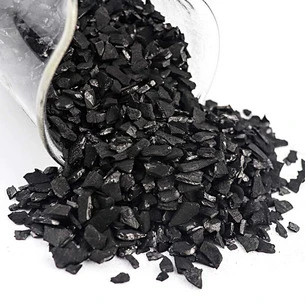
Coconut Shell Granular Activated Carbon
Size: 4-8, 6×12, 8×16, 8×30, 12×40, 30×60, 100, 200, 325 mesh (customized size available)
Used for: Drinking water and industrial water treatment, wastewater treatment, gold recovery (CIP/CIL/CIC), air purification, food and beverage decolorization, pharmaceutical purification.