+86 199 4927 3927




+86 199 4927 3927


+86 199 4927 3927
Industrial Air Purification: How Pelletized Activated Carbon Actually Handles VOCs and Odors
Nov. 06, 2026
Industrial air problems rarely look dramatic. There's no thick smoke most of the time. No visible dust clouds.
Instead, it's the stuff you can't see that causes trouble—VOCs, solvent vapors, persistent odors that slowly build up in the workspace and eventually become a real operational issue.
If you're running a production facility, you've probably run into this already. Complaints from workers. Odor drifting outside. Or just a general sense that the air quality isn't where it should be.
That's where pelletized activated carbon usually comes in—not as a complicated solution, but as a practical one.
A lot of air treatment systems are designed to capture particles. Dust, smoke, mist—those are relatively straightforward.
Gases are different.
They spread faster, linger longer, and are harder to control. And in many industrial environments, they're the main issue:
• Solvents from coatings and printing
• Organic vapors from chemical processes
• Odors from wastewater treatment or food production
These don't just disappear with basic filtration.
You need something that can actually interact with gas molecules. That's where activated carbon works differently.
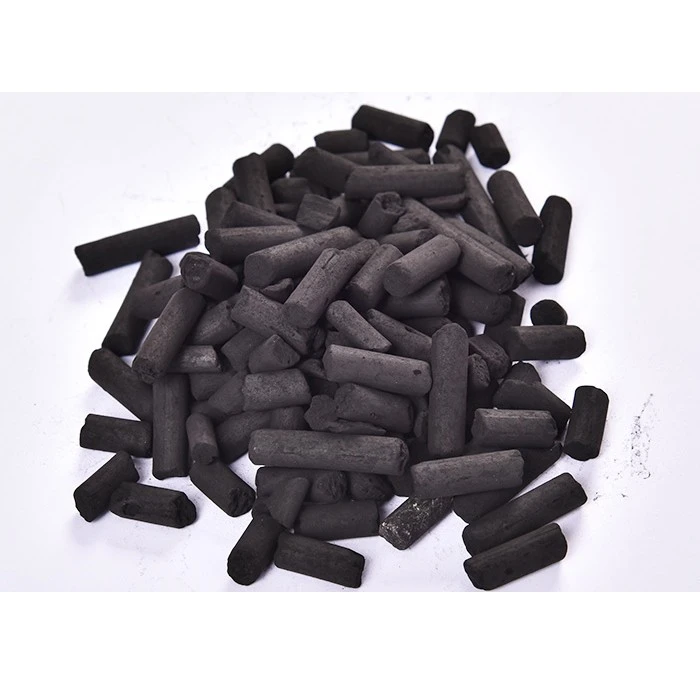
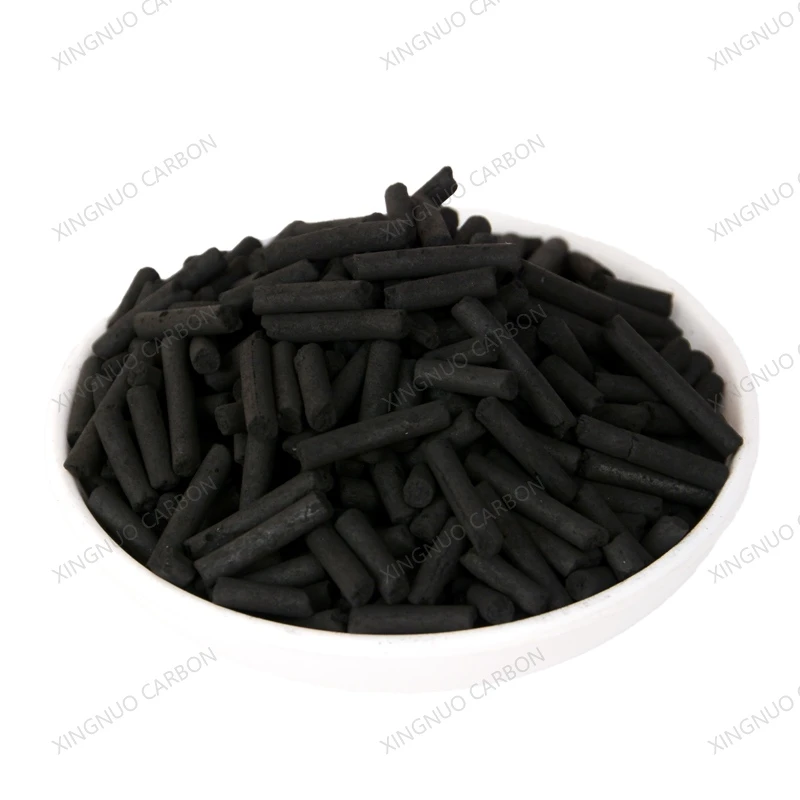
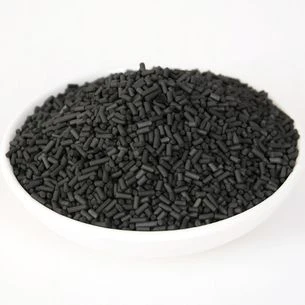
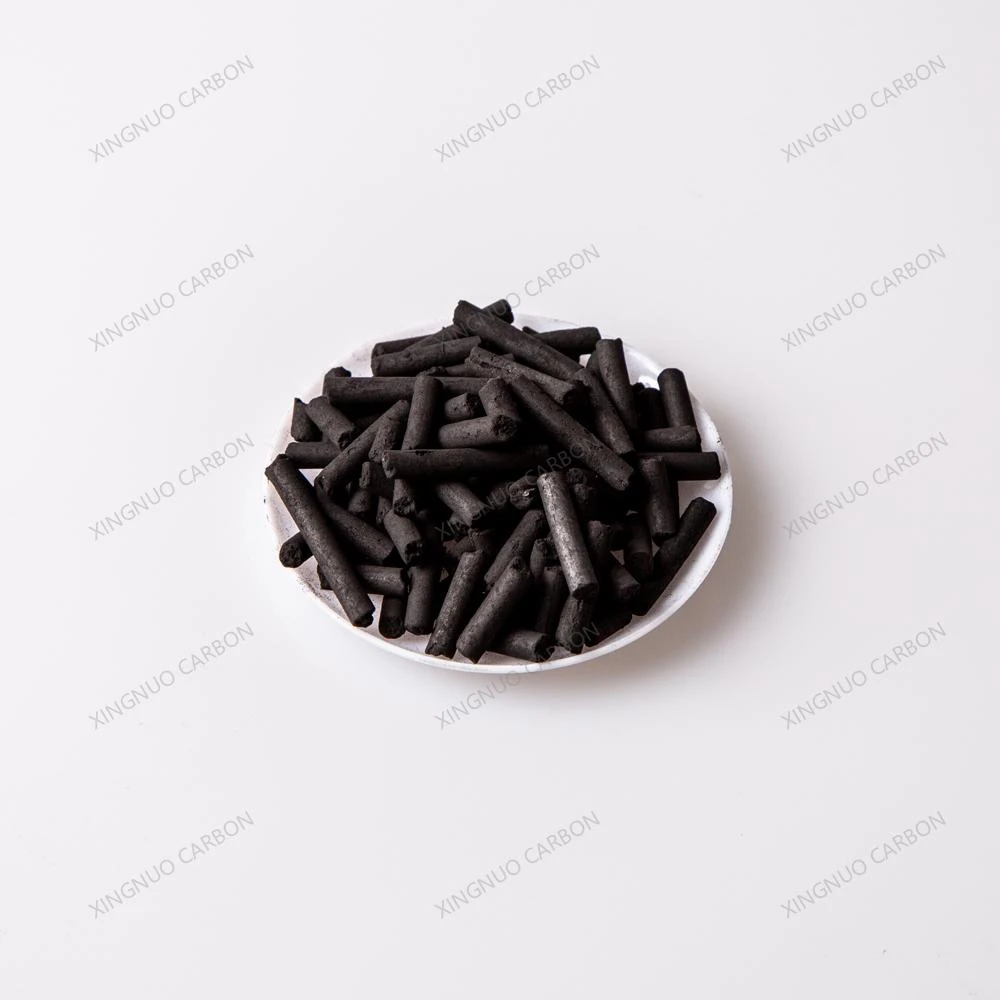
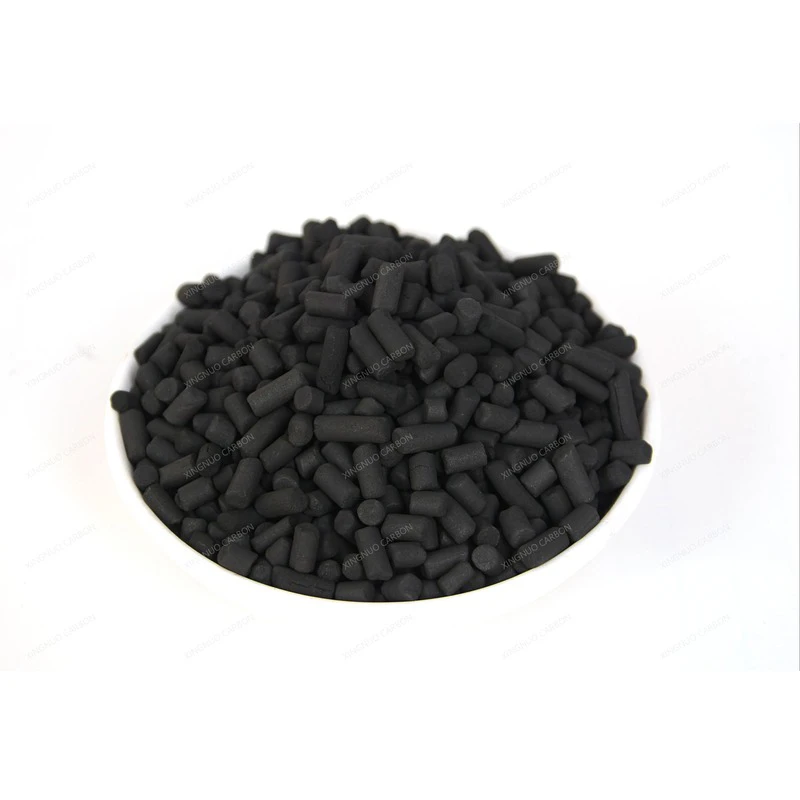
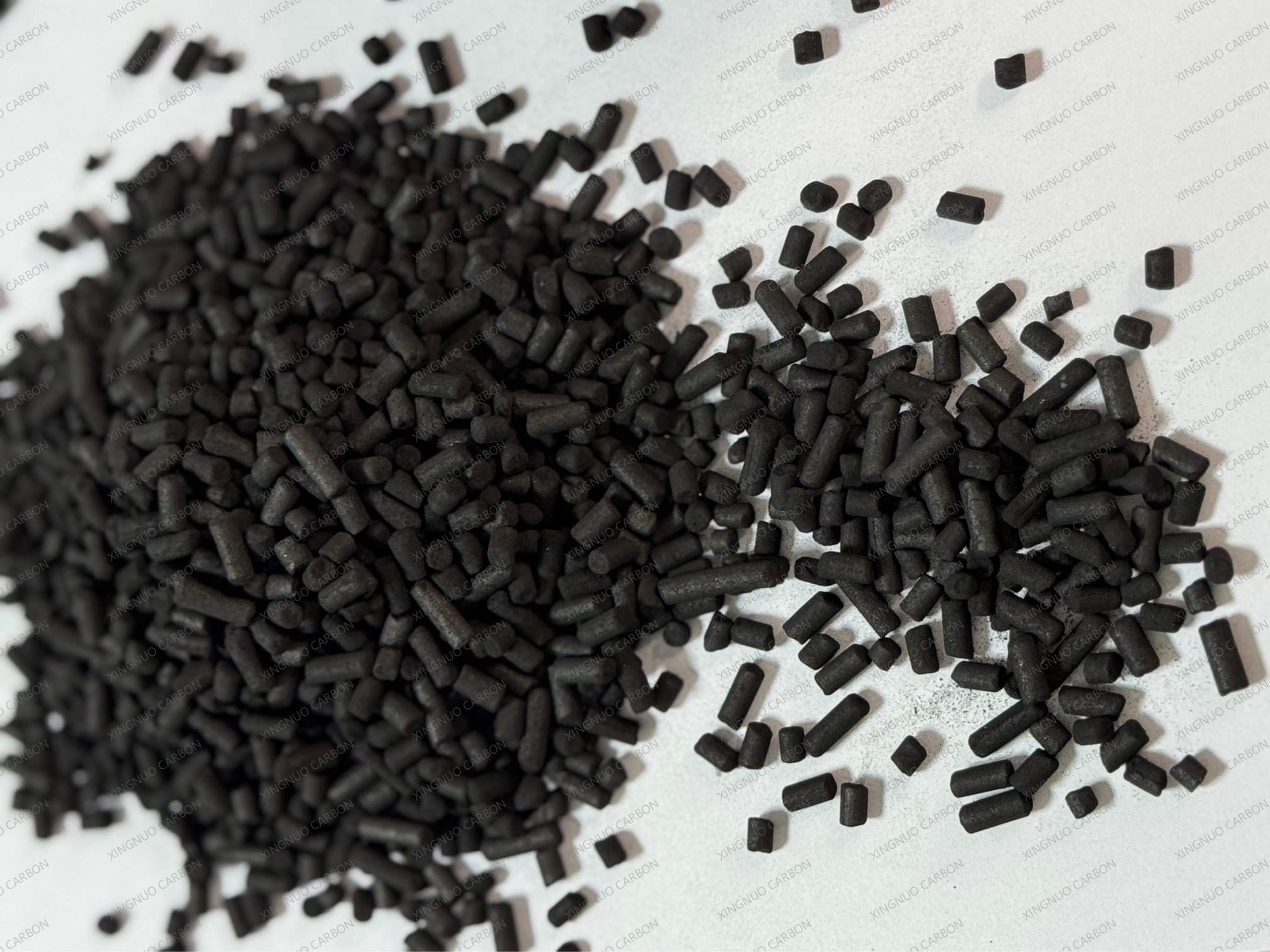
Pelletized activated carbon is basically activated carbon formed into small cylindrical pellets. Nothing fancy on the surface—but the structure is what matters.
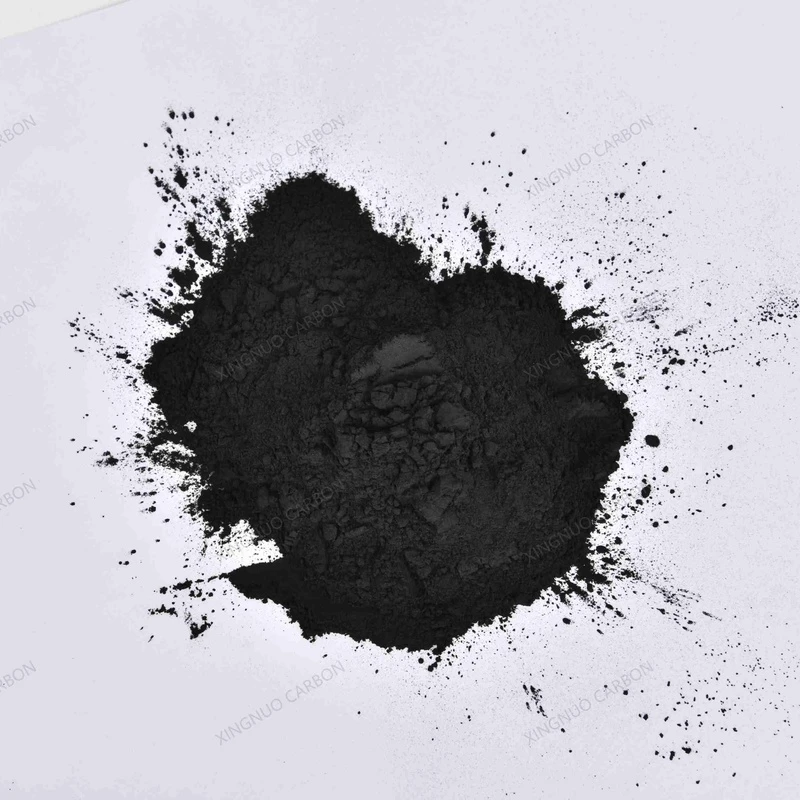
Compared to powdered carbon, it's easier to handle and doesn't create dust everywhere. Compared to loose granular media, it tends to perform more consistently in systems where air is moving continuously.
In real-world setups, that stability matters more than people think.
You don't want a material that shifts, compacts, or creates uneven airflow over time. Pelletized carbon holds its structure, keeps pressure drop manageable, and fits well into fixed-bed systems.
This part is often explained in a very textbook way, but the idea is simple.
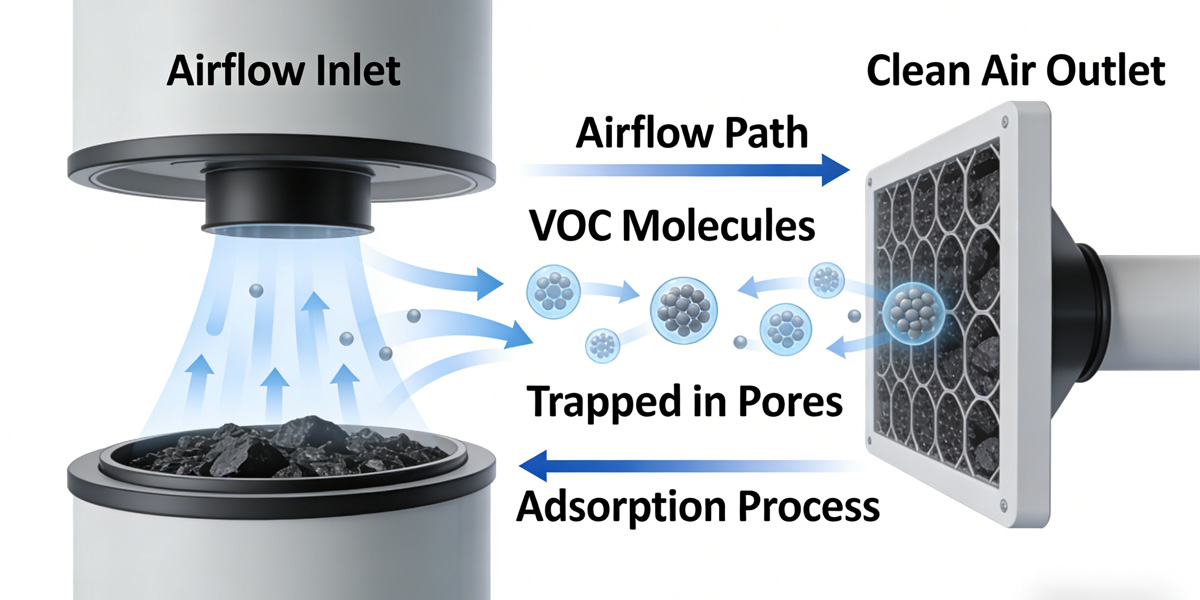
Activated carbon doesn't “filter” gases like a physical barrier. It adsorbs them.
As contaminated air passes through the carbon bed, gas molecules move into the pores and stick to the internal surface. Think of it less like a sieve and more like a sponge at the microscopic level.
Because the internal surface area is extremely large, there are countless sites where these molecules can attach.
Of course, this doesn't last forever.
Over time, those adsorption sites fill up. When that happens, you'll start to see what's called “breakthrough”—basically, contaminants begin to pass through again.
That's why monitoring and timely replacement are part of the process, not an afterthought.
You'll see pelletized activated carbon in a wide range of applications, but the pattern is always similar: gas-phase problems that need a stable, low-complexity solution.
Typical examples include:
• Coating and painting lines (solvent vapor control)
• Printing operations
• Chemical processing
• Food production (odor control)
• Wastewater treatment facilities
• General factory exhaust systems
In most of these cases, the goal isn't perfection—it's to reliably reduce VOCs and odors to acceptable levels.
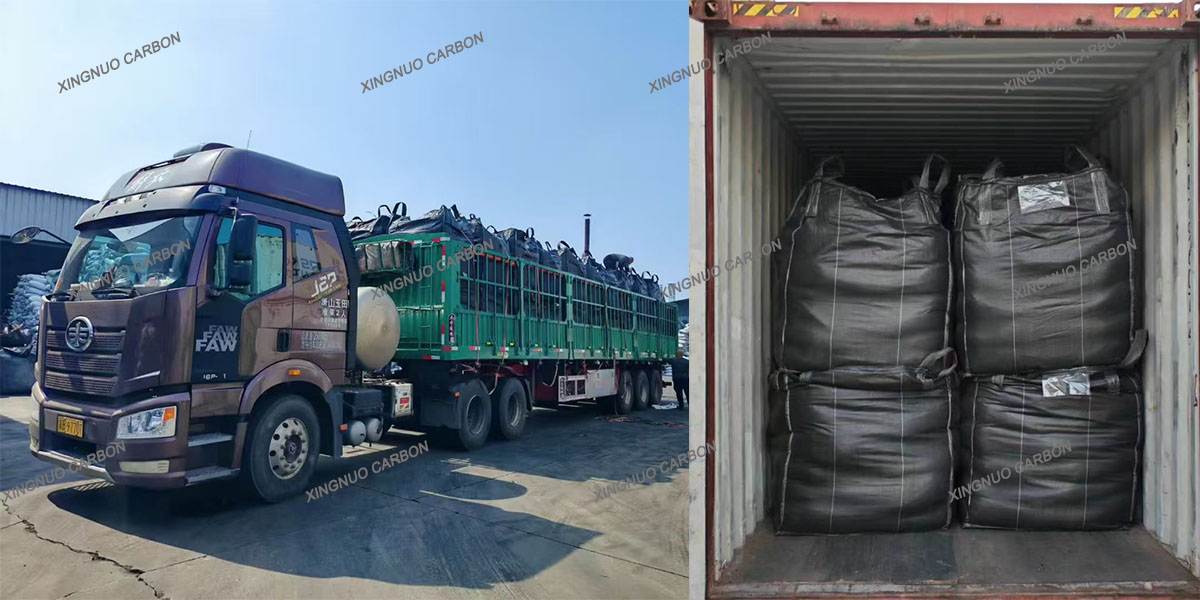
In one recent shipment, 27 tons of pelletized activated carbon were supplied for an industrial gas purification project.
The carbon was used in a fixed-bed system to treat process exhaust containing organic vapors and odor-causing compounds. The priority for the client wasn't just adsorption capacity, but also:
• stable airflow through the bed
• low pressure drop
• consistent performance over time
Pelletized carbon was selected because it maintains its structure under continuous airflow and performs more predictably in this type of setup compared to finer or less stable media.
After installation, the system achieved a noticeable reduction in odor intensity and improved overall exhaust quality. More importantly, the operation remained stable without frequent adjustments—something the client had struggled with previously using other materials.
It's not an unusual case, but it highlights a practical point:
In gas-phase treatment, consistency often matters more than peak performance on paper.
Here's where things get a bit more practical.
Not all carbon performs the same, even if it looks similar on paper.
A few factors make a big difference:
• Type of VOCs – some compounds are easier to adsorb than others
• Concentration levels – higher load = faster saturation
• Humidity – moisture can compete with adsorption sites
• Airflow and contact time – too fast, and performance drops
• Bed depth – too shallow, and you don't get enough interaction
In other words:
And the opposite is also true—properly matched carbon in a well-designed setup can last longer and perform more consistently.
If you're actually sourcing carbon for a project, don't just ask for “pelletized activated carbon” and stop there.
At a minimum, you should be looking at:
• Pellet size (e.g., 3mm, 4mm)
• Iodine value (general adsorption capacity indicator)
• Mechanical strength
• Application match (standard vs impregnated carbon)
For most VOC and odor applications, standard pelletized carbon works well. But for specific gases, impregnated carbon can significantly improve performance.
This part doesn't get talked about enough.
Even if you choose the right carbon on paper, consistency matters just as much:
• Stable quality across batches
• Reliable delivery timelines
• Suitable packaging (25kg bags, bulk options)
In continuous industrial operations, interruptions in supply or inconsistent quality can cause more problems than the original air issue.
Most systems don't fail because activated carbon doesn't work.
They fail because the carbon, the system design, and the operating conditions don't match.
If you're dealing with:
• specific VOC types
• strong odor issues
• or unstable performance in an existing system
It usually makes sense to test before committing to large volumes.
A small adjustment in carbon type or specification can make a noticeable difference.
Pelletized activated carbon isn't a complicated technology—but using it effectively does require some practical thinking.
It works well because it's simple, adaptable, and proven across many industries. But like most industrial solutions, the details matter.
If the goal is consistent VOC and odor control without adding unnecessary complexity, it remains one of the more reliable options available.
If you're dealing with unstable performance, strong odors, or are not sure which carbon fits your system, it's usually faster to review your conditions before making another purchase.
You can share a few basic details like:
• type of VOCs
• airflow and system setup
• current issues (odor, breakthrough, short lifespan)
We can help you:
• Recommend a suitable pelletized carbon type
• suggest practical specifications (size, iodine range)
• arrange samples for testing
For industrial projects, bulk supply is available, with stable quality across shipments.
Pelletized or granular activated carbon is typically preferred for VOC removal in industrial air systems due to stable airflow and consistent adsorption performance.
Service life depends on VOC concentration, airflow, and humidity. In most industrial applications, it ranges from a few months to over a year.
It removes most organic odors effectively, but some gases may require impregnated carbon for better performance.
Key factors include VOC type, concentration, airflow rate, contact time, humidity, and carbon quality.
Pelletized carbon is used in air systems with continuous airflow, while powdered carbon is mainly used in liquid treatment or batch processes.
Replacement is needed when a breakthrough occurs—meaning odors or VOCs start appearing again at the outlet.
Yes. High humidity can reduce adsorption efficiency because water vapor competes for pore space.
Yes. It is designed to maintain low pressure drop and a stable structure under continuous airflow conditions.
Yes. Impregnated carbon can be tailored for gases like H₂S, ammonia, or other specific contaminants.
Yes. Pelletized activated carbon is typically supplied in bulk quantities (e.g., 10–50 tons) for industrial air purification projects.
Related Products
Size: 100–325 mesh (customizable)
Used for: Wastewater treatment, decolorization, waste incineration
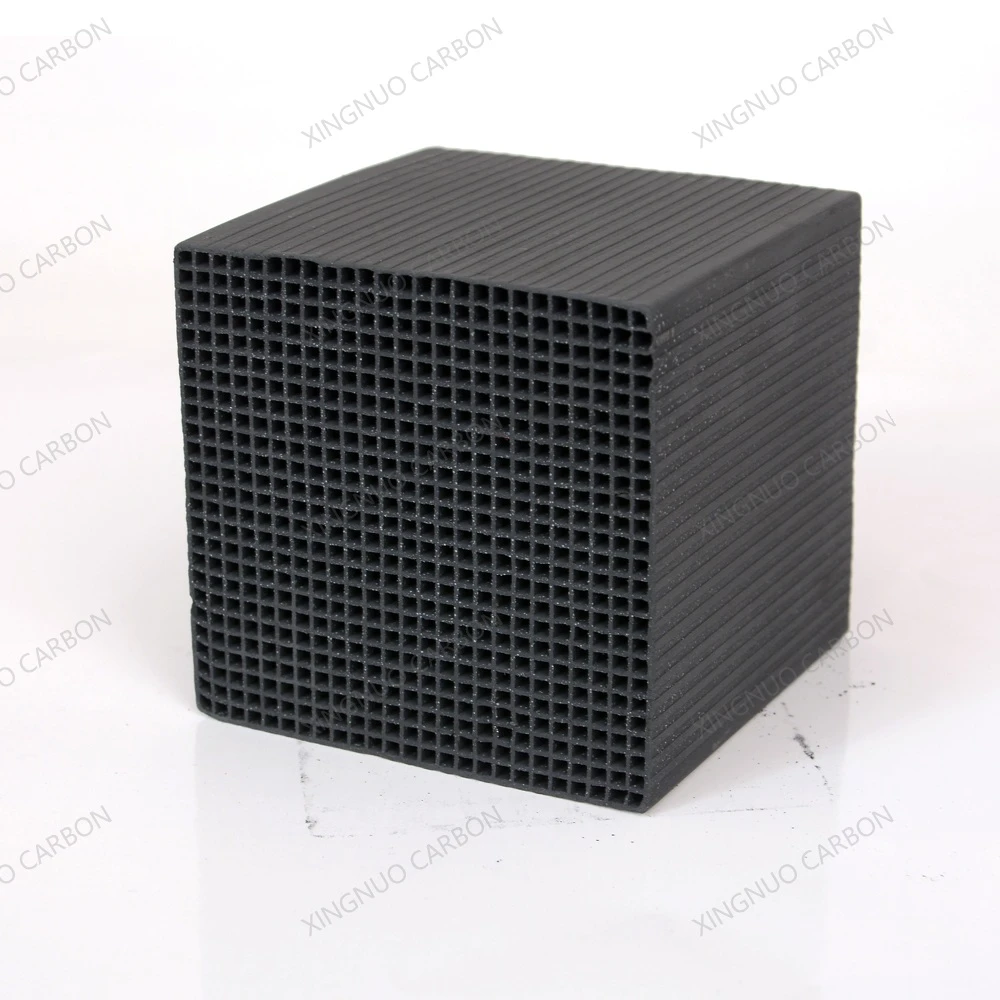
Size: 100×100×100 mm, 100*100*50mm,
Used for: VOC removal, exhaust gas purification, spray booths
Sizes: 1.5 mm, 2 mm, 3.0 mm, 4.0 mm, 6.0 mm
Used for: Gas purification, solvent recovery, biogas desulfurization
Size: 1.5 mm, 3.0 mm, 4.0 mm; 4×8, 8×30 mesh
Used for: H2S, acid gas, ammonia, and mercury removal
Coal-Based Tar Columnar Activated Carbon
Sizes: 1.5 mm, 2 mm, 3 mm, 4 mm, 6 mm, 8 mm, and customized sizes
Used for: Industrial waste gas treatment, solvent recovery, mercury removal, desulfurization and denitrification, gas purification
Size: 100–325 mesh (customizable)
Used for: Wastewater treatment, decolorization, waste incineration
Size: 4×8 – 12×40 mesh (GAC); 1.5 – 4.0 mm (Pellets); 200 – 325 mesh (PAC)
Used for: Industrial Gas Purification, VOC Adsorption, Wastewater Treatment, Solvent Recovery, Biogas Desulfurization, PSA Nitrogen Deoxygenation, Flue Gas Treatment
Coconut Shell Granular Activated Carbon
Size: 4-8, 6×12, 8×16, 8×30, 12×40, 30×60, 100, 200, 325 mesh (customized size available)
Used for: Drinking water and industrial water treatment, wastewater treatment, gold recovery (CIP/CIL/CIC), air purification, food and beverage decolorization, pharmaceutical purification.