+86 199 4927 3927



+86 199 4927 3927


+86 199 4927 3927
Activated Carbon for Waste Incineration
Activated carbon is widely used in municipal solid waste (MSW), industrial waste, and hazardous waste incineration plants to capture trace toxic pollutants from flue gas streams. Injected upstream of bag filters or scrubbers, it helps reduce dioxins, furans, vapor-phase mercury, and other heavy metals or trace organics before stack emission.
Key Pollutants Targeted in Incineration Flue Gas
Dioxins & Furans (PCDD/Fs): Adsorbed onto fine carbon particles and captured together with fly ash in downstream dust collectors.
Mercury & Heavy Metals: Particularly vapor-phase mercury (Hg) and selected trace heavy metals or volatile compounds present in combustion gases.
Trace Organics & Odorous Compounds: Helps capture residual aromatic/organic trace pollutants and odor-causing substances in flue gas.
(Note: Activated carbon injection is typically paired with acid gas neutralization, baghouse filters, or scrubbers as part of an integrated flue gas cleaning line; bulk acid gases such as HCl, SO2, and HF are primarily controlled by alkaline reagents or scrubbers.)
Common Application Form in Waste Incineration
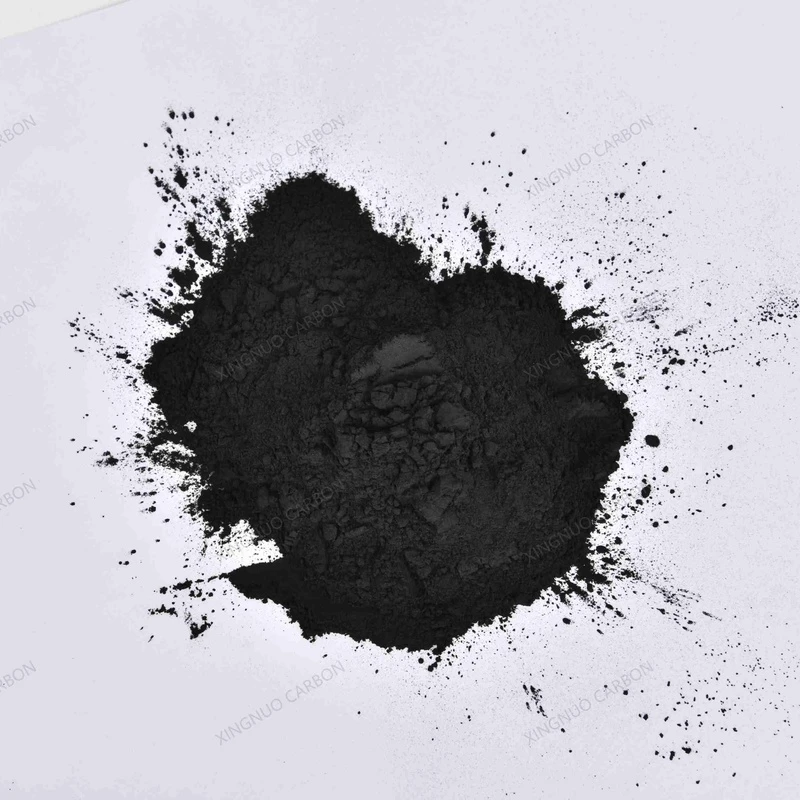
Powdered Activated Carbon (PAC): Fine particle size provides high external/internal surface contact during rapid pneumatic injection into hot or conditioned flue gas ducts, followed by bag filter collection.
Incineration Scenarios & Carbon Selection
| Incineration Application | Typical Target / Operating Focus | Common Carbon Option |
| Municipal Solid Waste (MSW) Incineration | Dioxins/furans, mercury, steady continuous injection | Powdered Activated Carbon (PAC) |
| Hazardous & Medical Waste Incineration | Higher pollutant fluctuations, trace organics & heavy metals | Powdered Activated Carbon (PAC) |
| Industrial / Sludge Co-Incineration | Trace heavy metals, organic vapors, baghouse capture | Powdered Activated Carbon (PAC) |
| Dry / Semi-Dry Flue Gas Cleaning Lines | Smooth pneumatic conveying, dispersion & filter cake capture | Powdered Activated Carbon (PAC) |
Choosing Raw Material & Grade for Flue Gas Treatment
Coal-Based Powdered Activated Carbon: Widely used in waste incineration flue gas treatment due to its developed pore structure, practical cost profile for continuous bulk dosing, and reliable adsorption performance across varying flue gas conditions.
Wood-Based / Special Pore Grades: May be evaluated where specific pore distribution or larger-molecule adsorption characteristics are targeted based on plant testing.
Custom fineness/mesh distribution, moisture control, and bulk packaging (such as 500 kg / 1,000 kg jumbo bags or woven bags) can be supplied to match plant dosing and safety requirements.
Key Parameters & Operating Factors for Incineration
| Flue Gas & Plant Parameter | Why It Matters |
| Target pollutants & emission limits | Defines required carbon dosage and adsorption performance |
| Flue gas temperature at injection & bag filter | Affects adsorption behavior and thermal safety margins |
| Flue gas flow rate & residence time | Influences dispersion, mixing, and contact time before collection |
| Particle fineness & moisture content | Affects pneumatic conveying, flowability, and dust cake formation |
| Co-injected reagents (lime / sodium bicarbonate) | Impacts overall flue gas chemistry, cake porosity, and capture |
| Baghouse / scrubber configuration | Determines how carbon and fly ash are separated and handled |
What Determines Performance in Flue Gas Injection?
Temperature & Thermal Safety: Flue gas temperature and oxygen/combustibles conditions influence adsorption and safety margins; proper temperature control and storage/handling practices are essential.
Dispersion & Contact Time: Uniform dispersion across the gas duct and adequate residence time before the bag filter help maximize contact between carbon particles and target pollutants.
Flowability & Bulk Handling: Consistent moisture and particle sizing help prevent bridging or clumping in silos, feeders, and pneumatic transfer lines during continuous plant operation.
Typical Flue Gas Line & Grade Recommendation
Typical Process — Dry / Semi-Dry Injection + Bag Filter
Typical Line: Incinerator Boiler → Quench / Conditioning Tower → PAC & Lime/Sorbent Injection → Baghouse Filter → Stack Emission
Role of PAC: Adsorbs dioxins, furans, mercury, and trace pollutants in the gas stream and is collected on the bag filter cake for removal.
Note: Actual injection rate and emission reduction depend on waste composition, flue gas temperature, flow rate, system layout, and operating conditions.
Need Activated Carbon for a Waste Incineration Plant? Share your incineration type, flue gas temperature and flow rate, target pollutants, preferred packaging, and monthly demand. Our team can recommend suitable PAC grades and provide samples for testing.
FAQ
Why is powdered activated carbon (PAC) commonly used in waste incineration?


PAC has a fine particle size that disperses readily in flue gas streams and provides high adsorption capacity for trace pollutants such as dioxins, furans, and mercury prior to baghouse filtration.
Can you provide samples and custom specifications for plant trials?
Yes. We can supply samples for laboratory or plant trial evaluation and tailor particle size and packaging to your system requirements.
How is activated carbon supplied for waste incineration projects?
For continuous industrial operation, it is commonly supplied in bulk jumbo bags (such as 500 kg or 1,000 kg) or palletized bags with controlled moisture and particle size to support stable feeding.
What determines the required PAC injection rate in an incineration plant?
Required dosage depends on waste feed variability, initial pollutant concentrations, flue gas temperature and flow rate, injection point design, bag filter performance, and local emission limits.
Can activated carbon alone remove all acidic gases like HCl and SO2?
No. Bulk acidic gases such as HCl, SO2, and HF are typically neutralized using alkaline sorbents (such as hydrated lime or sodium bicarbonate) or wet scrubbers, while activated carbon focuses on trace organics, dioxins, furans, and heavy metals like mercury.
Write to Us!
Fill out the form and our team will be in touch. Below is also contact info for our offices and facilities.

Tel.:
+86 199 4927 3927

E-mail:

whatsApp:
Contact with Us
Related Products
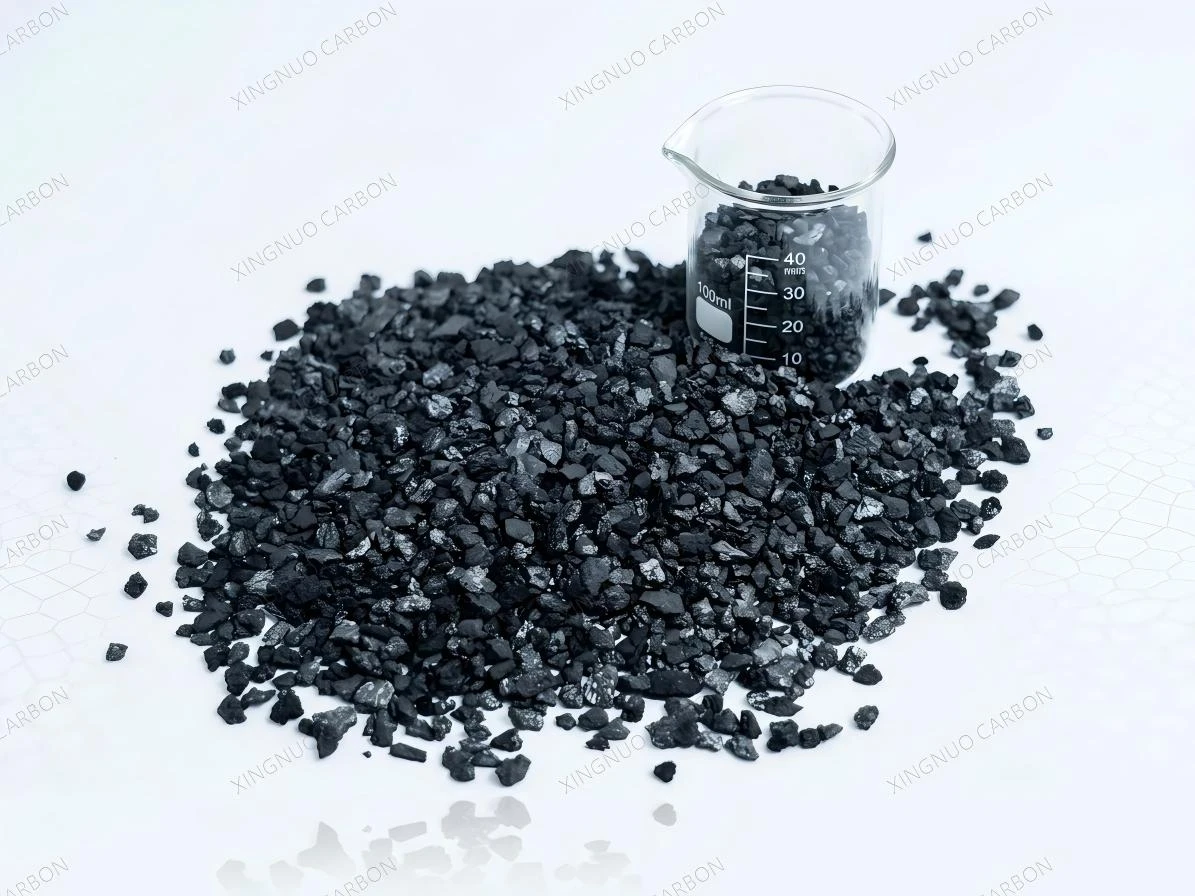
Sizes: 4x8, 8x16, 8x30, 12x40, 20x50 mesh (Custom sizing available)
Used for: Drinking Water, Wastewater Treatment Gas Purification, VOC Removal, Gold Recovery
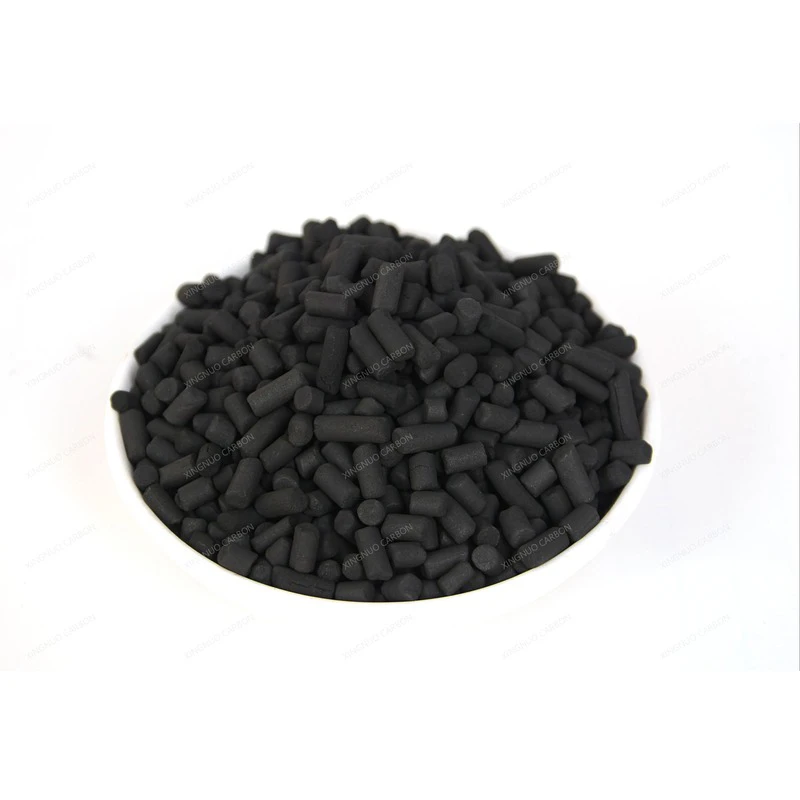
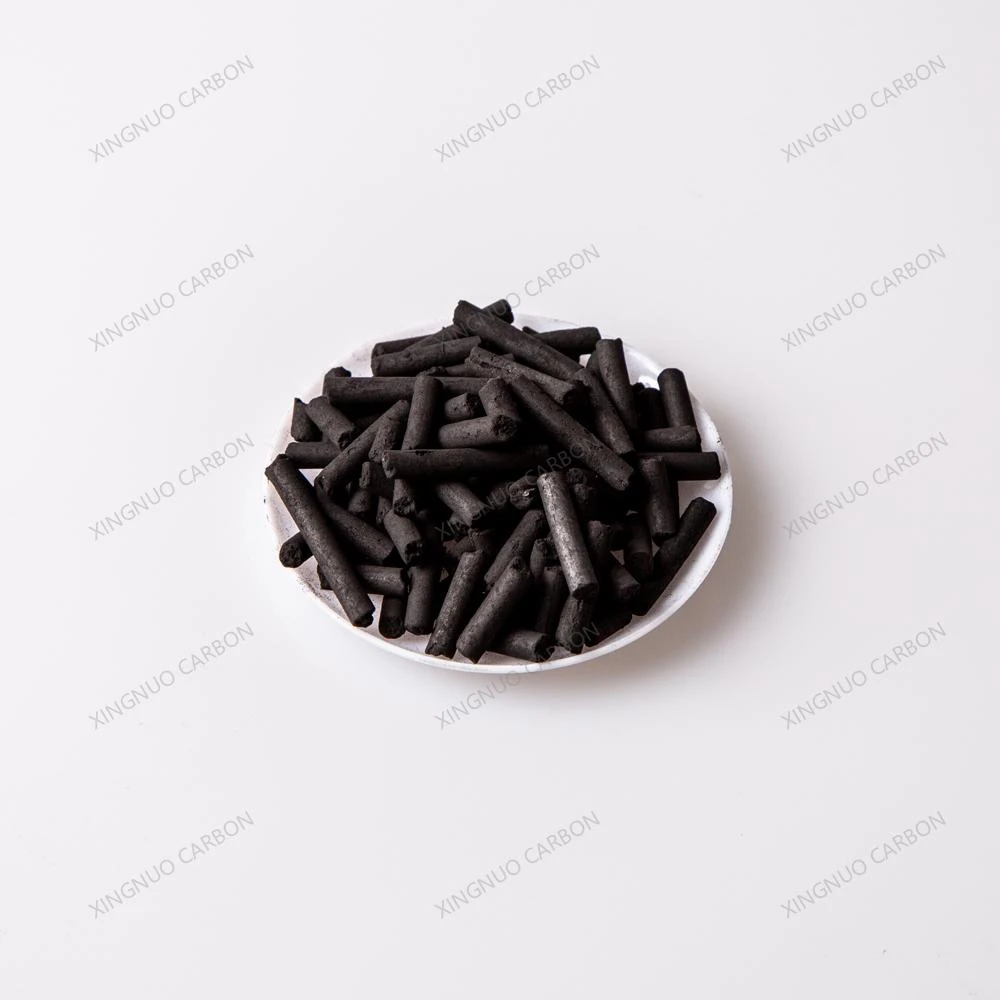
Size: 4×8 – 12×40 mesh (GAC); 1.5 – 4.0 mm (Pellets); 200 – 325 mesh (PAC)
Used for: Industrial Gas Purification, VOC Adsorption, Wastewater Treatment, Solvent Recovery, Biogas Desulfurization, PSA Nitrogen Deoxygenation, Flue Gas Treatment
Size: 100–325 mesh (customizable)
Used for: Wastewater treatment, decolorization, waste incineration
Size: 100–325 mesh (customizable)
Used for: Wastewater treatment, decolorization, waste incineration