+86 199 4927 3927




+86 199 4927 3927


+86 199 4927 3927
Granular Activated Carbon for Water Treatment
Granular activated carbon (GAC) is widely used in water and wastewater treatment to remove dissolved organic contaminants, chlorine, taste and odor compounds, color, and other adsorbable pollutants. Because GAC can be packed into fixed-bed filters and adsorption vessels, it is suitable for continuous water treatment systems as well as polishing processes. Different raw materials, pore structures, particle sizes, and activation characteristics allow GAC to be selected for different water treatment requirements.
Granular activated carbon is mainly used when dissolved contaminants need to be removed through adsorption. Depending on the water quality and target contaminants, GAC can help reduce:
GAC is particularly useful when conventional filtration alone cannot adequately remove dissolved organic compounds. However, activated carbon is not a universal treatment medium. Hardness, salts, nitrate, and many inorganic contaminants generally require other treatment technologies.
GAC can be incorporated into different water treatment systems depending on the water source, target contaminants, and required treated-water quality.
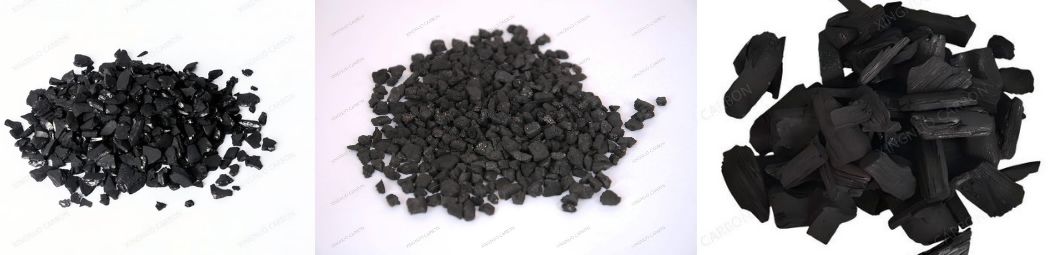
Why Use & Which Granular Activated Carbon Should You Choose?
| Application | Typical Treatment Target | Common GAC Options |
| Drinking Water | Chlorine, taste & odor, organics | Coconut Shell / Coal-Based GAC |
| Wastewater | Organic contaminants, color, residual pollutants | Coal-Based / Wood-Based GAC |
| Groundwater | VOCs, pesticides, organics | Coconut Shell / Coal-Based GAC |
| Process Water | Organic impurities, trace contaminants | Coal-Based / Coconut Shell GAC |
| Water Reuse | Residual organic contaminants | Coal-Based / Coconut Shell GAC |
| RO Pretreatment | Chlorine, selected organics | Coconut Shell / Coal-Based GAC |
GAC combines high adsorption capacity with continuous-flow operation, making it suitable for a wide range of water treatment systems.
The best GAC is determined by the target contaminant and operating conditions—not simply by the highest iodine value.
Different water treatment applications require different carbon characteristics.
Customized GAC grades (particle size, iodine value, hardness, ash, moisture) are available based on treatment requirements.
Selection Factors, How GAC Is Used & Performance
|
Water Treatment Information |
Why It Matters |
|
Target contaminant |
Determines adsorption suitability |
|
Influent concentration |
Indicates expected carbon loading |
|
Flow rate |
Affects bed size and contact time |
|
Water temperature |
Influences adsorption behavior |
|
pH |
Can affect contaminant properties |
|
TOC / organic matter |
Indicates competing adsorption |
|
Required outlet quality |
Defines the treatment target |
|
Existing filter dimensions |
Helps determine carbon volume and bed depth |
Typical Fixed-Bed Process: Raw Water → Pretreatment → GAC Filter → Post-Treatment → Treated Water
Key Performance Factors: Flow rate, Empty Bed Contact Time (EBCT), bed depth, carbon particle size (finer improves kinetics, coarser affects pressure drop), water quality/competing pollutants, and breakthrough monitoring for replacement or regeneration. Actual adsorption or pilot testing helps confirm selection beyond iodine value alone.
Water Treatment Case Study & Recommendation
Need Granular Activated Carbon for Your Water Treatment System?
Tell us your water source, target contaminants, treatment capacity, and operating conditions. Our team can recommend a suitable GAC type, particle size, and specification for your application.
FAQ
What is granular activated carbon used for in water treatment?


GAC is mainly used to adsorb dissolved organic contaminants, chlorine, taste and odor compounds, color, and other selected pollutants from water and wastewater.
Can you recommend GAC based on my water quality?
Yes. Providing the target contaminants, concentration, flow rate, water temperature, pH, TOC, required outlet quality, and filter dimensions allows us to recommend a more suitable GAC grade.
How long does GAC last?
Service life depends on contaminant concentration, flow rate, EBCT, water quality, carbon capacity, and operating conditions. Breakthrough monitoring is preferable to using a fixed replacement schedule.
Can GAC remove chlorine?
Yes. GAC is widely used for chlorine reduction and dechlorination in water treatment systems.
Which GAC is better for water treatment, coconut shell or coal-based?
Neither is universally better. Coconut shell GAC generally has stronger microporosity, while coal-based GAC offers a broader pore structure. The choice depends on the target contaminants and operating conditions.
Is GAC suitable for wastewater treatment?
Yes. GAC is commonly used as a polishing treatment after conventional wastewater treatment to further reduce adsorbable organic contaminants and other residual pollutants.
Secondary Keywords
Write to Us!
Fill out the form and our team will be in touch. Below is also contact info for our offices and facilities.

Tel.:
+86 199 4927 3927

E-mail:

whatsApp:
Contact with Us
Related Products
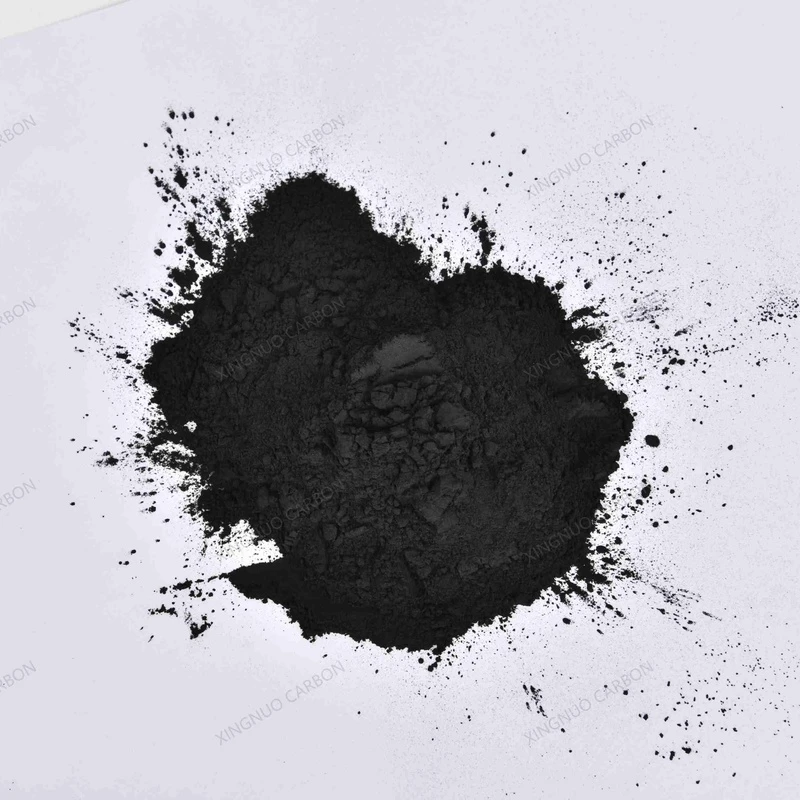
Size: 100–325 mesh (customizable)
Used for: Wastewater treatment, decolorization, waste incineration
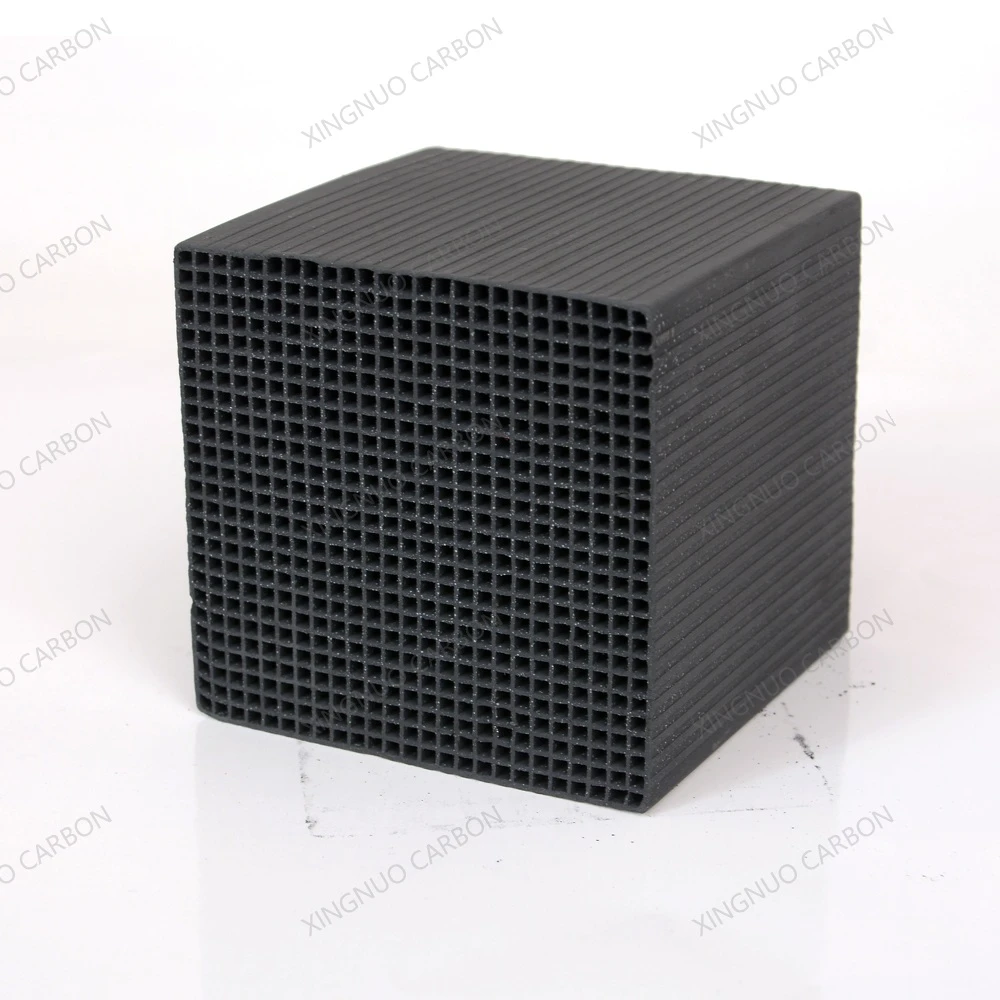
Size: 100×100×100 mm, 100*100*50mm,
Used for: VOC removal, exhaust gas purification, spray booths
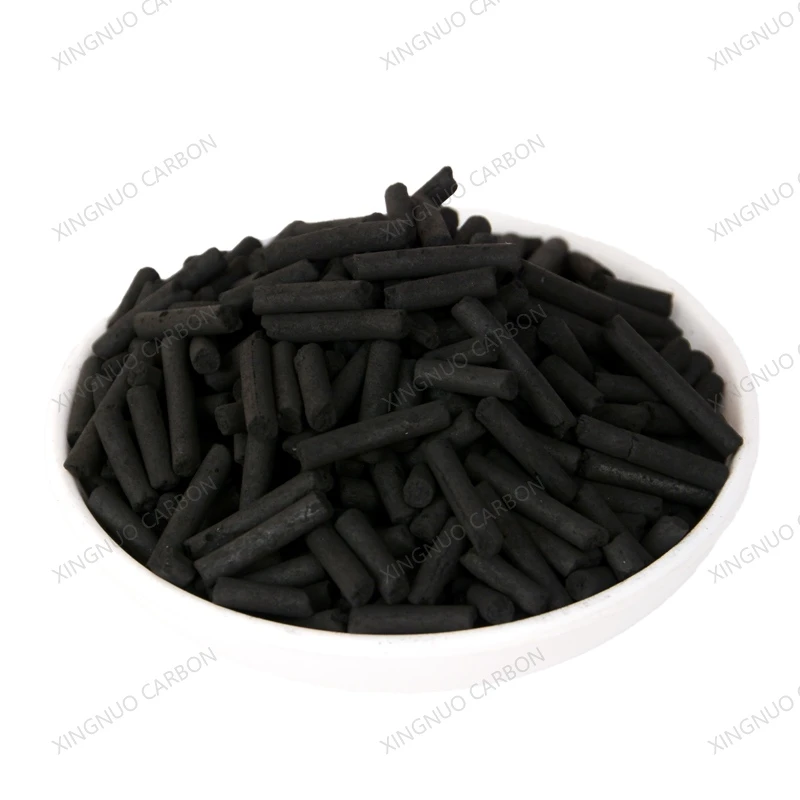
Sizes: 1.5 mm, 2 mm, 3.0 mm, 4.0 mm, 6.0 mm
Used for: Gas purification, solvent recovery, biogas desulfurization
Size: 1.5 mm, 3.0 mm, 4.0 mm; 4×8, 8×30 mesh
Used for: H2S, acid gas, ammonia, and mercury removal
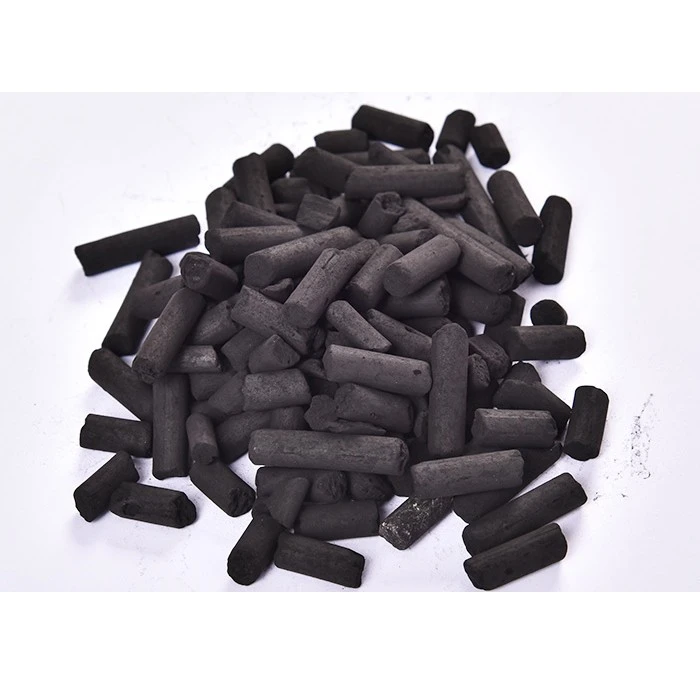
Coal-Based Tar Columnar Activated Carbon
Sizes: 1.5 mm, 2 mm, 3 mm, 4 mm, 6 mm, 8 mm, and customized sizes
Used for: Industrial waste gas treatment, solvent recovery, mercury removal, desulfurization and denitrification, gas purification
Size: 100–325 mesh (customizable)
Used for: Wastewater treatment, decolorization, waste incineration
Size: 4×8 – 12×40 mesh (GAC); 1.5 – 4.0 mm (Pellets); 200 – 325 mesh (PAC)
Used for: Industrial Gas Purification, VOC Adsorption, Wastewater Treatment, Solvent Recovery, Biogas Desulfurization, PSA Nitrogen Deoxygenation, Flue Gas Treatment
Coconut Shell Granular Activated Carbon
Size: 4-8, 6×12, 8×16, 8×30, 12×40, 30×60, 100, 200, 325 mesh (customized size available)
Used for: Drinking water and industrial water treatment, wastewater treatment, gold recovery (CIP/CIL/CIC), air purification, food and beverage decolorization, pharmaceutical purification.